






















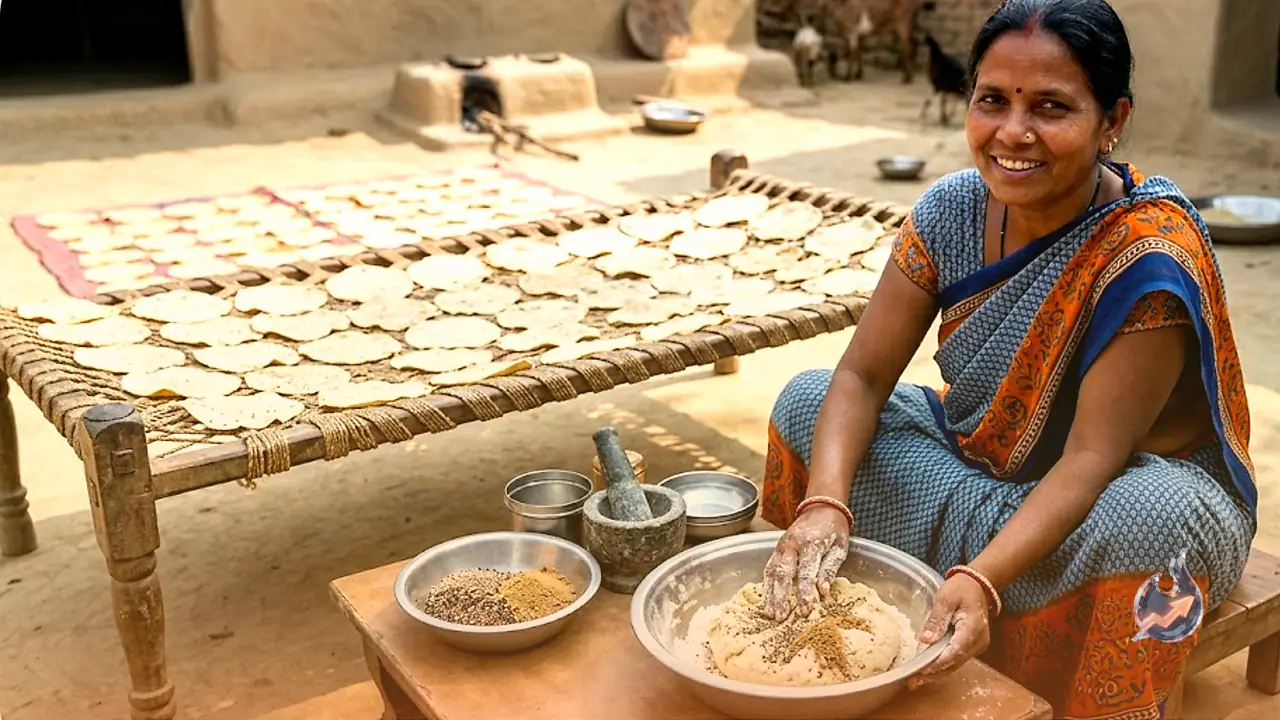

In most Indian households, a meal of dal, rice and vegetables feels incomplete without a crisp papad on the side. Whether it is served at home or in a restaurant, papad usually finds its place next to the salad, curry and dal. Many families also serve potato chips and other fried snacks alongside their meals. Most people simply buy these items from the market, but some households still prepare them at home. Tarawati Devi, who works at the Sarvasiddhanta FPO in the Ghosi block of Jahanabad district, is one such woman who has been making papad at home for years and supplying it to the market, and she has now shared her complete method.
How Moong and Urad Dal Turn Into Papad
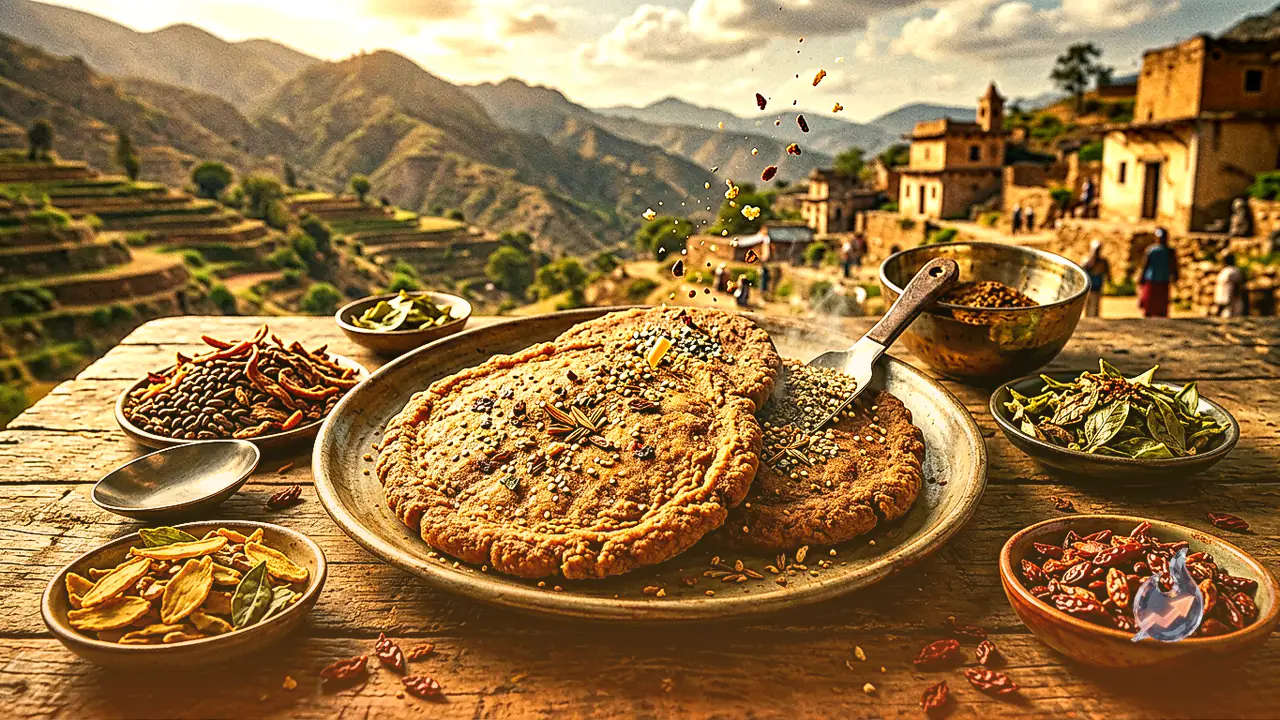
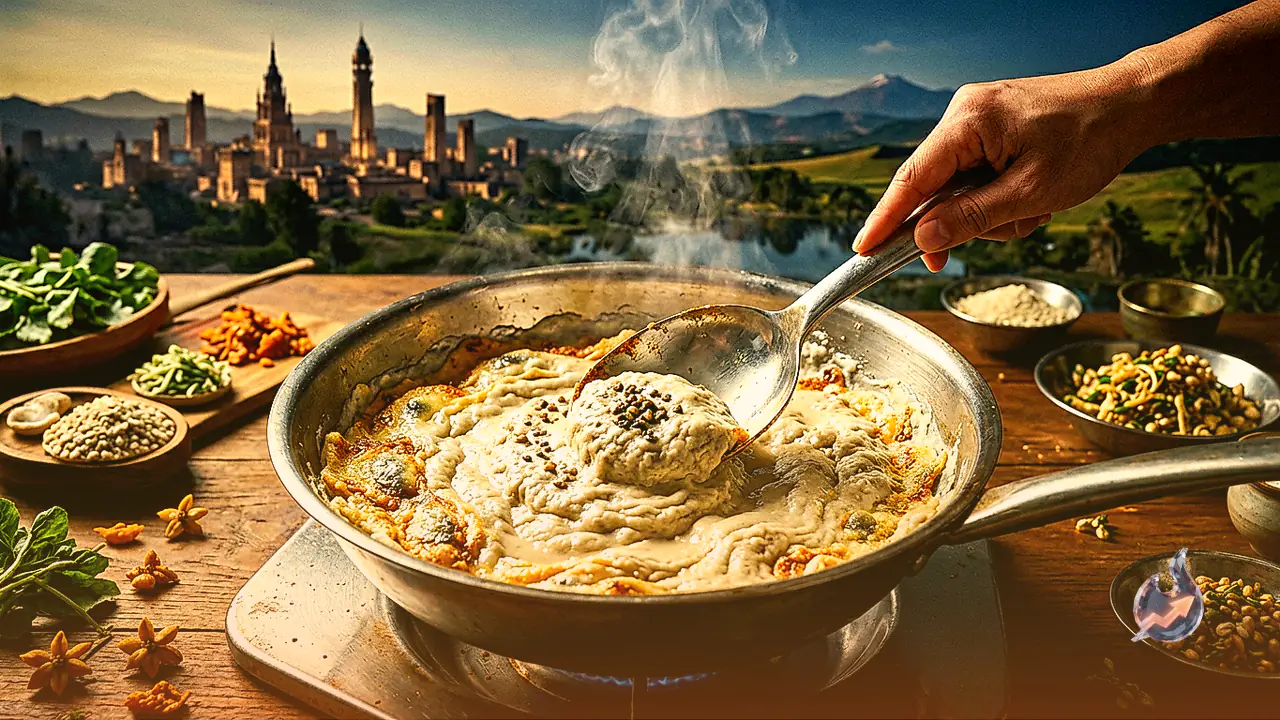
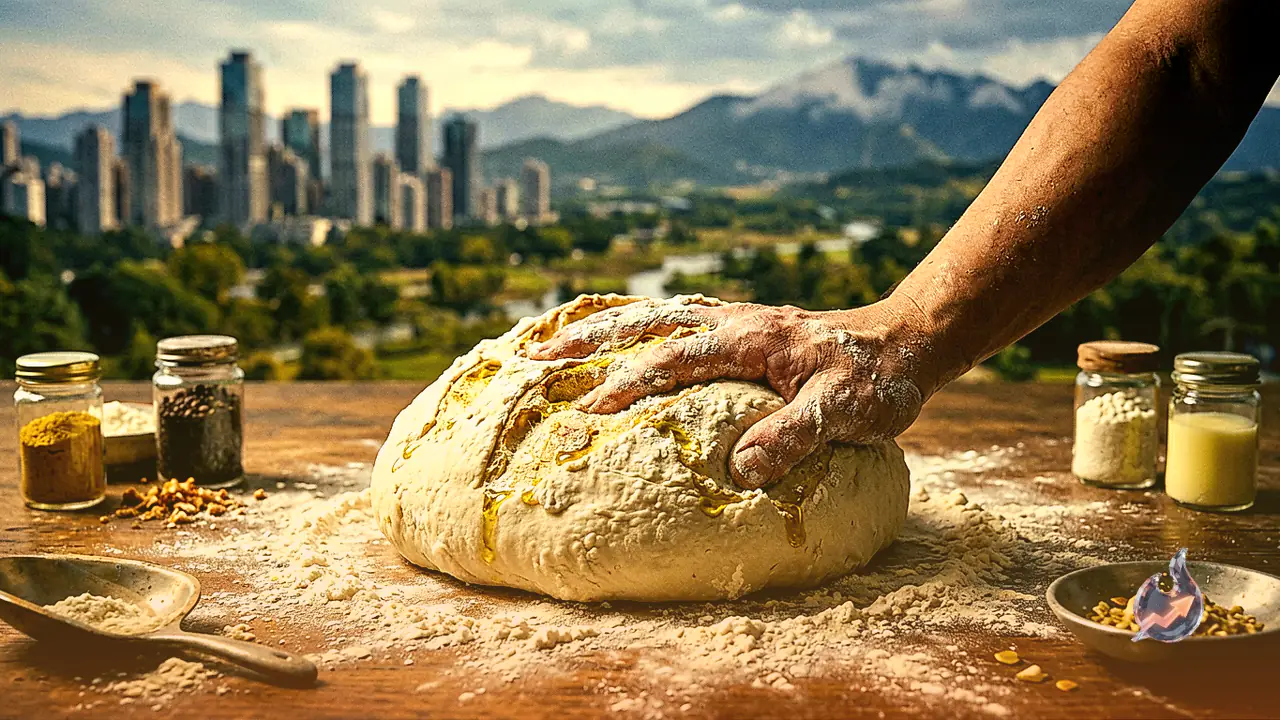
Tarawati Devi says papad making sounds difficult only until someone learns the right technique. She has been making papad from moong dal and urad dal for a long time, and her papad reaches the market too. The process begins by soaking urad dal and moong dal in water and leaving them for some time. The soaked dal is then kneaded together with flour, and the dough is left to rest and rise for a while. The next and most important step is pounding the dough thoroughly with a wooden pestle called a musal until it turns completely elastic. Once the dough becomes elastic, small balls are shaped from it, and each ball is rolled out on a smooth floor using a rolling pin. Every rolled papad is then placed one by one in front of a fan, and after some time in the airflow, the papad is completely ready.
The Real Secret Behind Fluffy, Crisp Papad
According to Tarawati Devi, the real secret behind a fluffy papad lies in the spices added while kneading the dough. She mixes in asafoetida, cumin seeds and a few other spices during kneading, which makes the dough lighter. The lighter the dough stays, the fluffier and crispier the finished papad turns out. This one small homemade trick is what gives papad made at home the same taste and texture as the papad sold in the market.
Women Are Also Making Several Other Products Alongside Papad
Tarawati Devi is not the only woman working at the Sarvasiddhanta FPO in Ghosi. Several other women are also employed there, making papad along with dalmoth and mushroom pickle. The centre also prepares roasted gram sattu ground the traditional way. Many women work together at this centre, and the benefit is not limited to them alone, it extends to their entire families as well. For many women associated with this FPO centre, it has become a major source of livelihood.