




















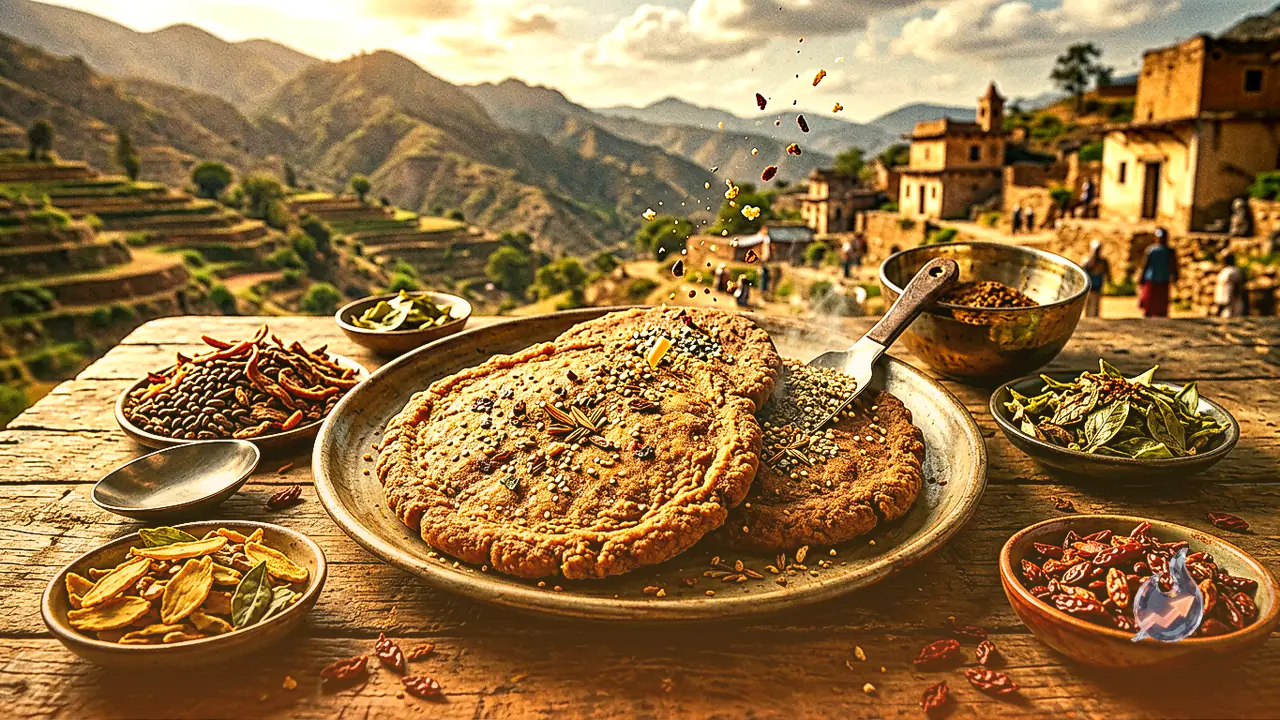

The serene hills of Uttarakhand in northern India are celebrated not only for their breathtaking landscapes but also for a rich, time-honored culinary heritage that evokes warm nostalgia. In the Bageshwar district of the Kumaon region, traditional recipes continue to form an integral part of daily life and special celebrations. Among these legendary mountain dishes, urad dal puri holds a cherished place. Featuring a golden, crispy outer crust stuffed with a spiced lentil filling, this deep-fried flatbread is far more than a simple meal. Known locally in many parts of the hills as 'Maas ki Dal' puri, it is prepared with great care during major festivals, family gatherings, and when welcoming honored guests into local homes.
Traditional Technique for Preparing the Lentil Stuffing
The secret behind the irresistible flavor of this mountain delicacy lies in the authentic preparation of its filling. The cooking process begins by thoroughly washing whole or split skinless black gram lentils (urad dal). The lentils are then soaked in clean water for several hours until they soften sufficiently. Once adequately hydrated, the lentils are boiled in water just until tender, after which any remaining excess water is carefully drained off.
After allowing the boiled lentils to cool down completely, they are processed into a coarse mixture. Local culinary traditions emphasize that the lentils should never be ground into a fine paste. Maintaining a slightly coarse, textured consistency is crucial because it gives the stuffing its signature bite and superior mouthfeel when encased inside the dough.
Infusing Mountain Spices and Jakhiya Tempering
To build the flavor profile, a small quantity of oil is heated in a traditional frying pan (kadai). The oil is tempered with either cumin seeds or Jakhiya—a wild mustard seed native to the Himalayan region that imparts a distinctive nutty aroma and crunch. Once the tempering crackles, finely chopped garlic cloves, minced green chilies, and a pinch of asafoetida (hing) are added to the pan.
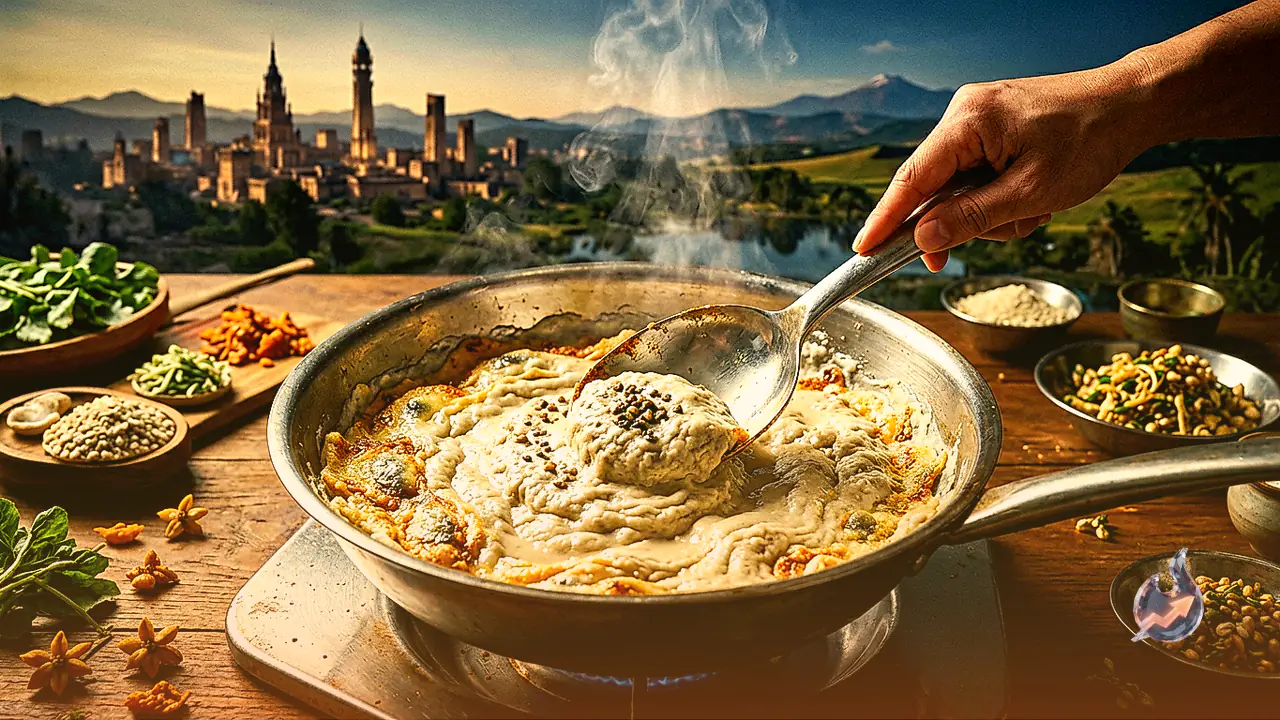
The coarsely ground urad dal is then transferred to the pan, accompanied by turmeric powder and salt to taste. The entire mixture is roasted over a low to medium flame, stirring continuously to evaporate all residual moisture. This thorough roasting yields a flavorful, dry stuffing that holds together perfectly inside the puri.
Kneading, Stuffing, and Frying to Golden Perfection
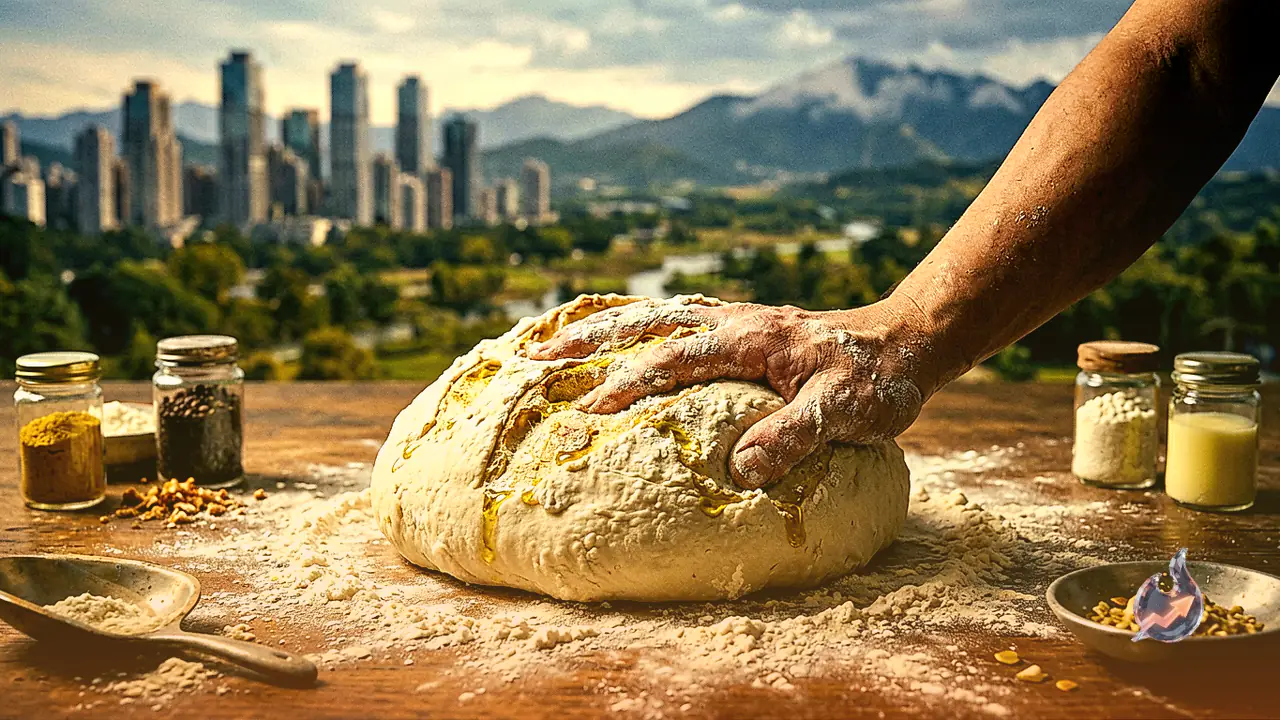
While the filling cools, wheat flour is kneaded into a smooth, pliable dough using water and a pinch of salt. Small portions of dough are shaped into balls and rolled out slightly. A generous spoon of the spiced urad dal mixture is placed in the center of each dough circle. The edges are carefully gathered, sealed at the top, and gently rolled out again into round flatbreads.
Frying is the final crucial step. Mustard oil is heated in a deep kadai, and the stuffed puris are lowered in one by one. They are fried on medium heat until they puff up and turn a rich golden brown. Maintaining medium heat ensures that the dough cooks through completely while achieving a satisfying crispiness on the exterior.
Traditional Serving Pairings and Culinary Significance
Local resident Sandesh Kohli highlights that this mountain specialty is versatile and pairs wonderfully with several traditional side dishes. It is commonly enjoyed alongside fresh curd, spicy potato curry (aaloo ki sabzi), savory pumpkin curry (kaddu ki sabzi), or simply a hot cup of tea. In many traditional households, it is served with vibrant green chutney or the famous regional hemp seed chutney (bhang ki chutney).
Beyond its delightful taste, urad dal is widely recognized as an excellent source of plant-based protein. Combined with digestion-friendly spices like hing and traditional mountain tempering, this wholesome dish offers a perfect balance of nutrition and authentic Himalayan flavor.