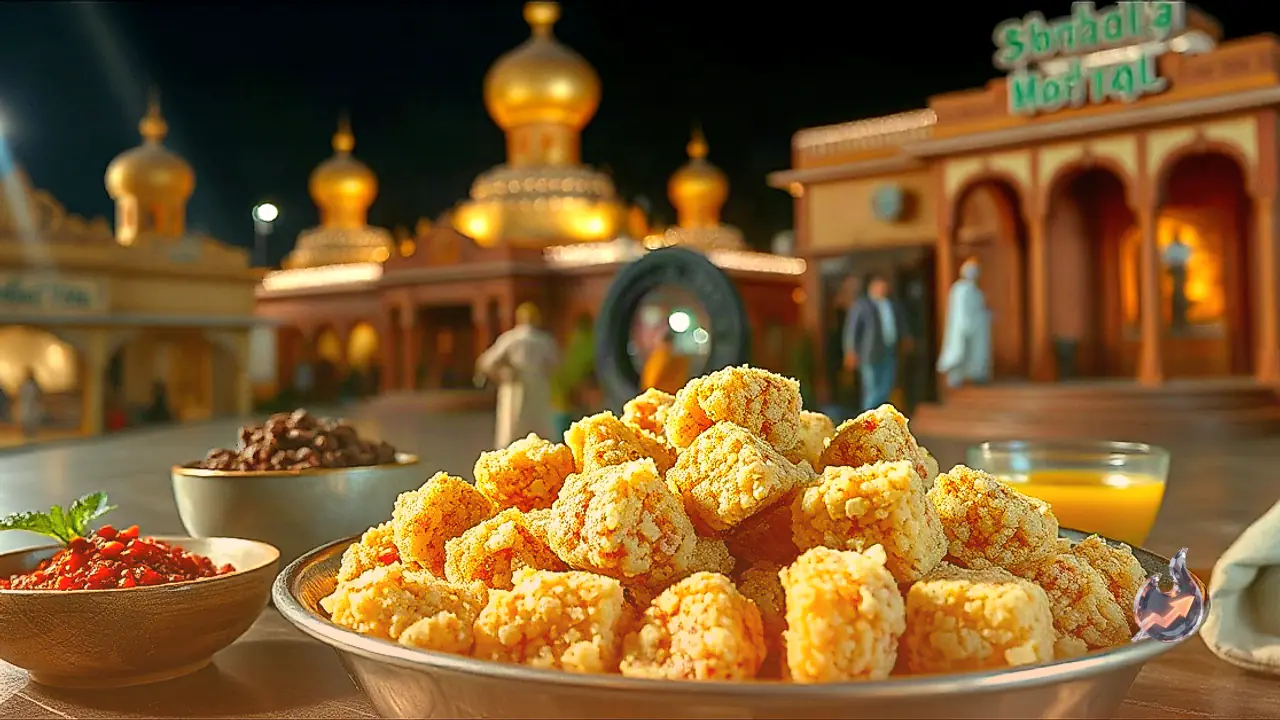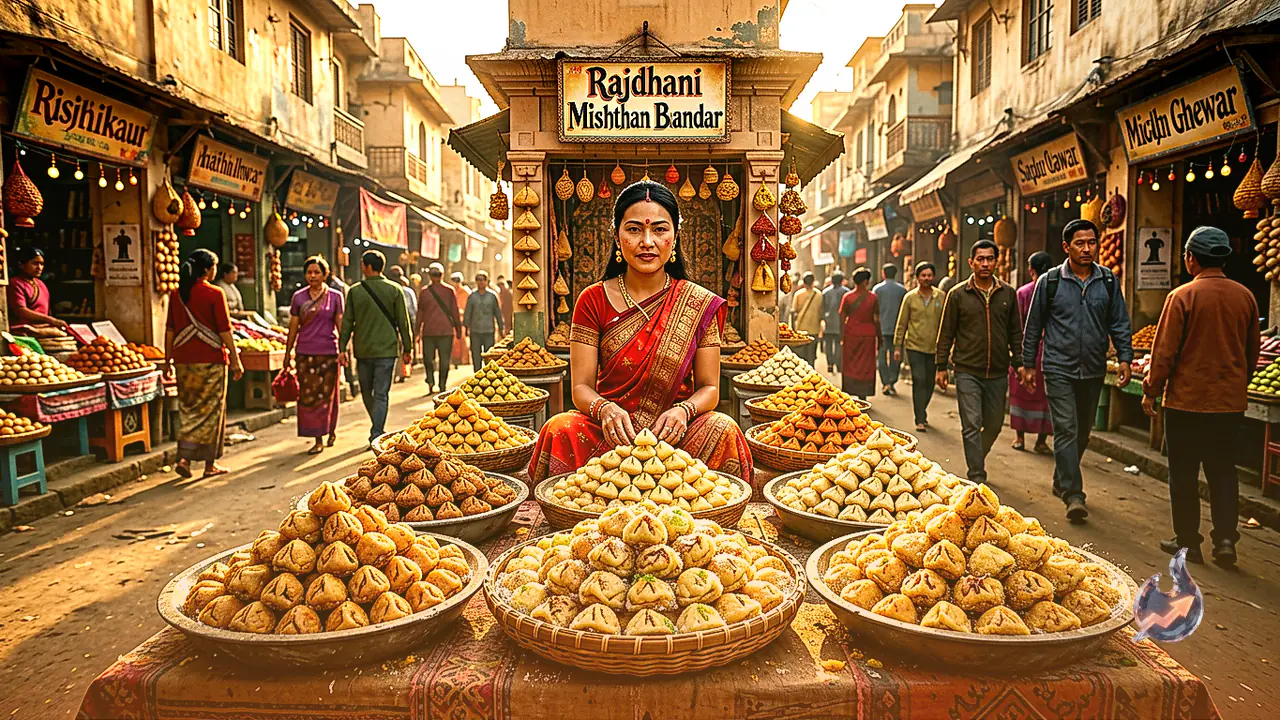




















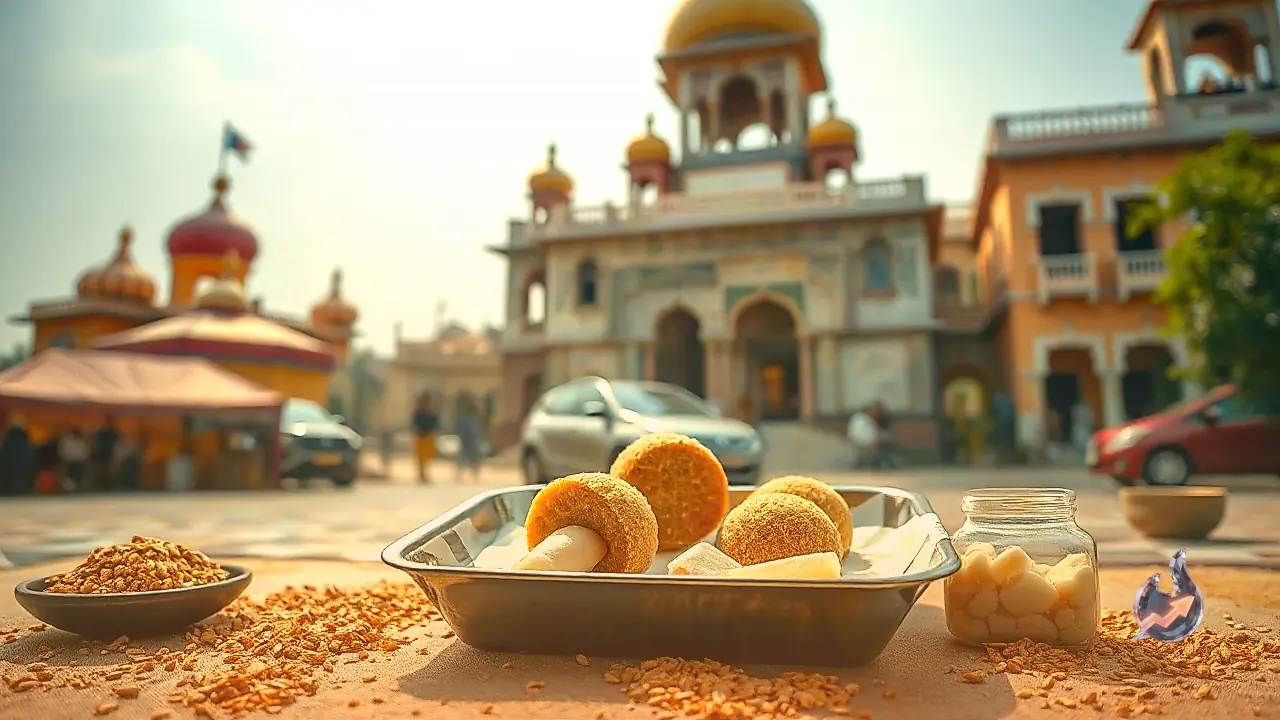

A remarkable and healthy culinary innovation is capturing significant attention in the Moradabad district of Uttar Pradesh. Local food creators are utilizing traditional coarse grains, particularly jowar and bajra, to produce a diverse range of delicious food items. Among these offerings, sugar-free jowar barfi has emerged as a major attraction for customers. Renowned for its rich taste, this sweet treat is also highly valued for its health benefits. Demand for this specialized barfi has soared across the region, with consumers eagerly purchasing it for daily consumption. Made entirely from millets, the sweet delivers essential nutrients to the body while offering a wholesome alternative to conventional sugar-laden desserts.
Administrative Demand and the 100 Percent Millet Meal Box
Explaining the background of this initiative, CEO Vikas Kumar shared that the project originated from a specific directive issued by senior local officials. The District Magistrate of Sambhal and the District Magistrate of Moradabad approached him with a request to create a specialized lunch box that departed completely from traditional North Indian meals. The administrative officers instructed that the packet should strictly exclude routine staples such as paneer, dal, rice, cooked vegetables, and wheat rotis. Instead, the mandate specified that the box must contain items crafted entirely from millets, while ensuring that the meal remained sufficiently filling so that no consumer felt hungry afterward.
Accepting the challenge, Vikas Kumar and his culinary team developed a comprehensive menu featuring 13 distinct millet-based dishes. Upon testing the meal box, administrative leaders expressed immense satisfaction with the outcome. The unique millet lunch packet was initially introduced in Sambhal before gaining widespread appreciation in Moradabad. Subsequently, the District Magistrate of Saharanpur requested these meal boxes after attending a millet recipe showcase in Sambhal, where he had experienced the food firsthand. The packed meal highlighted savory cutlets made from jowar and bajra millets, served alongside seasonal jackfruit. In instances where jackfruit was out of season or unavailable, raw banana was substituted, given its steady and easy availability in local markets.
Scientific Context on Wheat's Glycemic Index and Sugar Levels
Highlighting the nutritional philosophy behind adopting millets, Vikas Kumar offered a detailed perspective on dietary habits and sugar consumption. He pointed out that refined sugar is frequently singled out as the sole cause of elevated blood sugar levels. However, analyzing typical eating patterns reveals that an average person consumes at most one or two pieces of sweets daily, while even avid sweet lovers eat around 100 grams, 200 grams, or 250 grams of confectionery per day. In contrast, standard dietary discussions often overlook the fact that individuals consume between 100 and 200 grams of wheat daily through rotis and other wheat products across breakfast, lunch, and dinner.
Vikas Kumar explained that wheat is a low complex carbohydrate possessing a relatively high glycemic index ranging between 65 and 67. Consuming wheat regularly throughout the day introduces substantial amounts of sugar directly into the bloodstream through routine rotis. Consequently, the primary factor driving elevated blood sugar levels is the daily consumption of wheat rather than occasional sweets. This scientific realization motivated the development of millet-based sweet and savory alternatives that help regulate carbohydrate intake effectively.
Natural Mawa Sweetness and Custom Regional Recipes
To provide a health-conscious alternative to wheat-based products, pure mawa was prepared using fresh milk supplied by local farmers. Combining this rich mawa with processed millets resulted in the creation of wholesome jowar barfi and bajra barfi. A key feature of this barfi is that no external refined sugar is added during production. The sweetness relies entirely on the natural sugars present in the dairy mawa. Nevertheless, to accommodate diverse regional taste preferences, subtle adjustments have been incorporated into the production process.
For instance, when the product was introduced in Muzaffarnagar, local consumers expressed a preference for a slightly sweeter profile. Responding to customer feedback, the sweetness level was increased by up to 6 percent for batches sent to that region. This flexibility highlights a commitment to meeting consumer expectations without compromising core ingredients. The complete millet meal package includes 9 varieties of millet cookies and biscuits, millet modaks, millet barfi, jowar and bajra cutlets, and millet samosas.
Three Pure Ingredients and Market Pricing
Emphasizing the purity of the jowar barfi, Vikas Kumar stated that the recipe avoids all artificial additives and preservatives. The barfi is crafted using only three fundamental ingredients: pure jowar flour, fresh mawa sourced from local dairy farmers, and natural cardamom flavor. No fourth ingredient is introduced into the mix. The nutritive jowar barfi is currently priced at 500 rupees per kilogram in the market, establishing a firm foothold across Uttar Pradesh as a premium health food item.