






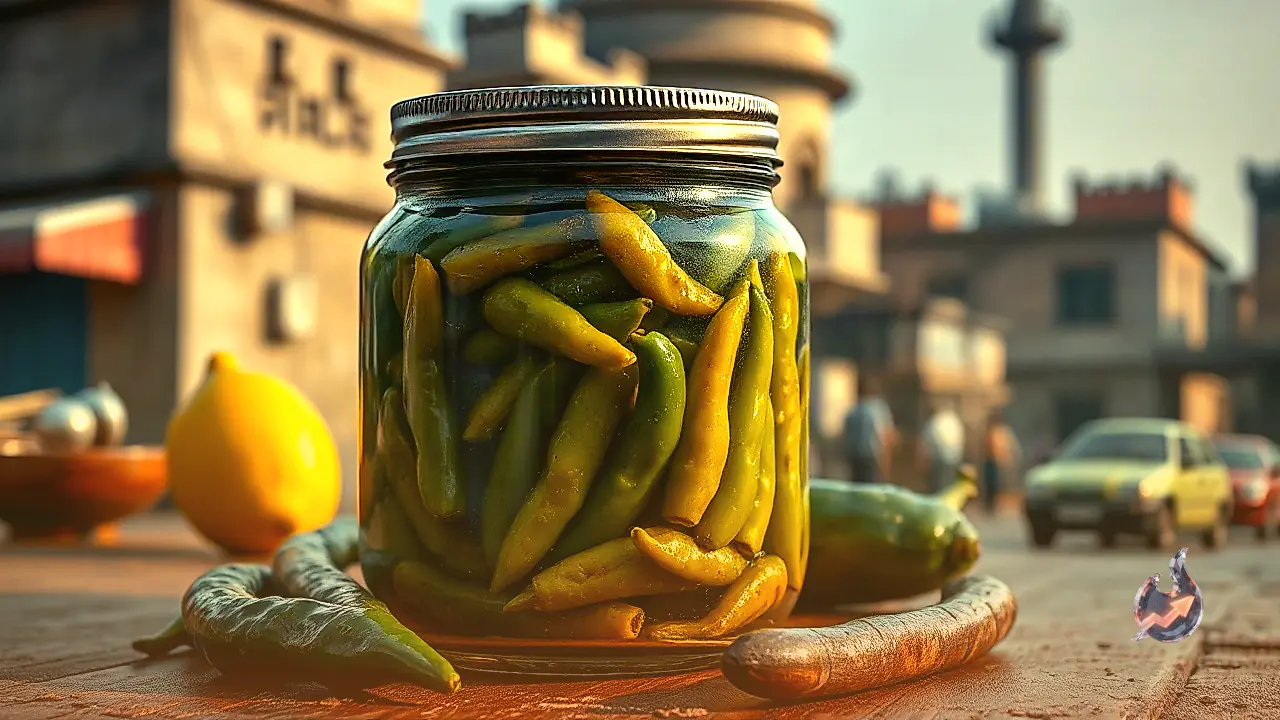
















Traditional homemade pickles have long been an essential companion to everyday Indian meals, adding a burst of flavour to even the simplest plate of food. This Assamese style instant green chilli pickle provides an exciting combination of pungent heat, mild tartness, and a delicate touch of sweetness. Unlike conventional pickle recipes that demand days or weeks of curing under the hot sun, this unique regional preparation requires no prolonged drying process. Using just a handful of everyday kitchen ingredients, it comes together in barely five minutes and is ready to enjoy immediately.
The hallmark of this distinctive recipe lies in the robust flavour of fresh mustard, a core element of Assamese and northeastern culinary traditions. Freshly squeezed lemon juice introduces a lively citrus acidity, while a measured pinch of sugar softens the fiery edge of raw chillies. Whether paired with steamed rice and lentils, hot parathas, crisp puris, or warm khichdi, this instant condiment instantly elevates everyday family dining.
Ingredients and Basic Preparation Steps
Creating this quick regional delicacy begins with selecting fresh and firm green chillies. The spice profile requires whole mustard seeds, turmeric powder, salt to taste, and red chilli powder according to individual heat preferences. Additionally, half a cup of raw mustard oil, fresh lemon juice, and half a teaspoon of sugar complete the ingredient list.
Proper preparation begins by washing the chillies thoroughly under clean running water. Once cleaned, dry every single chilli carefully with a clean, dry cotton cloth until no residual moisture remains. Eliminating water completely is critical, as excess moisture quickly compromises the texture and fresh appeal of raw pickles. After drying, trim the stems and slice the chillies into small bite-sized pieces. Those who prefer a milder kick can scrape out some of the inner white pith and seeds before proceeding.
Crafting the Coarse Mustard Paste
Mustard seeds form the aromatic heart of this Assamese style preparation. Rinse the seeds in water and let them soak for approximately five minutes. Once soaked, drain away all the standing water completely using a fine strainer. Transfer the drained seeds to a grinder or mortar to make a textured paste.
It is important not to grind the mustard into a smooth or watery puree. Maintaining a coarse, slightly cracked texture allows the mustard to release its characteristic pungent bite gradually while providing a pleasing crunch that defines the dish.
Assembling the Instant Pickle
Place the chopped green chillies into a thoroughly dry glass or ceramic mixing bowl. Add the freshly prepared coarse mustard paste, followed by salt, turmeric powder, and red chilli powder. Stir these dry ingredients together so the seasonings begin coating the chilli surfaces evenly.
Next, pour half a cup of raw mustard oil directly into the bowl. A distinct hallmark of this Assamese method is that the oil is not boiled, tempered, or heated beforehand. Raw mustard oil brings an authentic, peppery aroma that blends naturally with the freshly ground paste. Finally, pour in the freshly extracted lemon juice along with half a teaspoon of sugar. Mix all components thoroughly with a clean spoon until every piece of chilli is coated in the glossy dressing.
Serving Suggestions and Storage Guidance
Once stirred, this zesty Assamese green chilli pickle is entirely ready to eat. Allowing the mixture to sit undisturbed for fifteen to twenty minutes before serving allows the citrus juice and spice paste to penetrate deep into the chilli pieces. It serves as an ideal accompaniment beside everyday yellow lentils with rice, comforting khichdi, or flaky flatbreads.
For people who enjoy the distinct pungent sharpness of mustard, the proportion of mustard seeds can easily be increased. Conversely, those sensitive to extreme spice can remove more seeds from the raw chillies prior to mixing. Always ensure that every mixing bowl and spoon used remains completely dry. Because this is an instant recipe prepared without long-term preservation techniques, it is best made in small batches and enjoyed fresh over a short period.