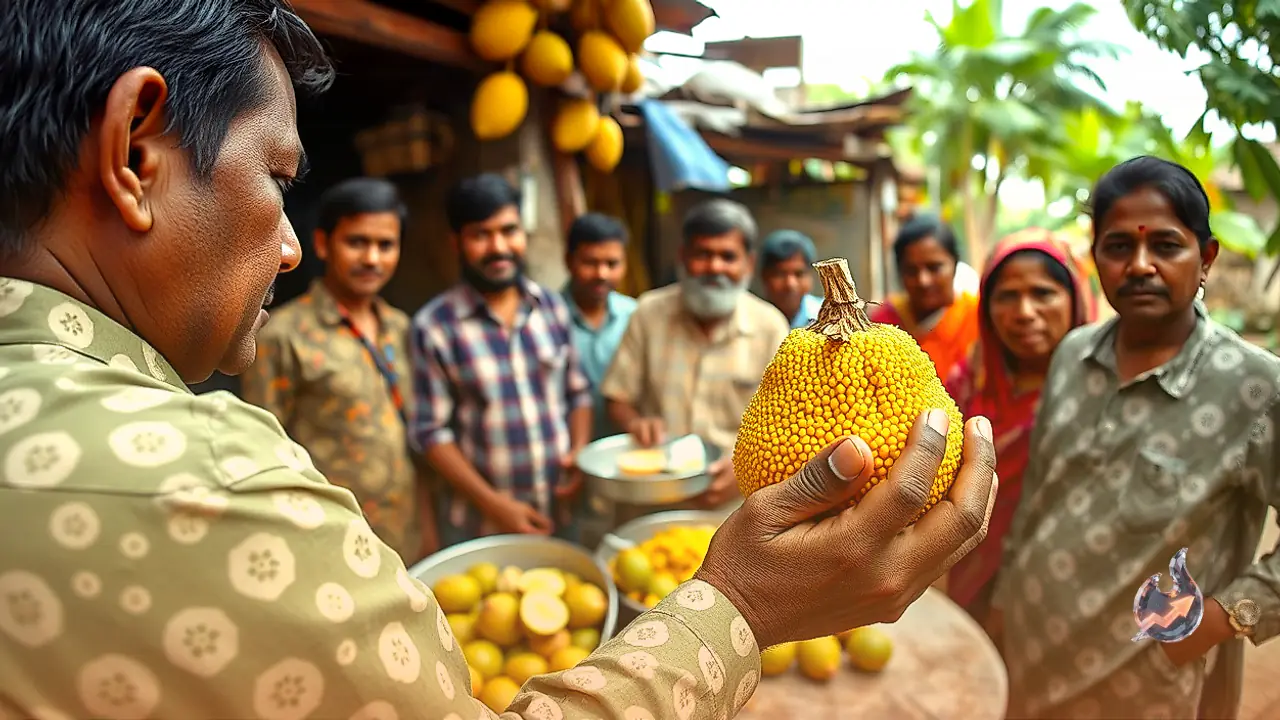






















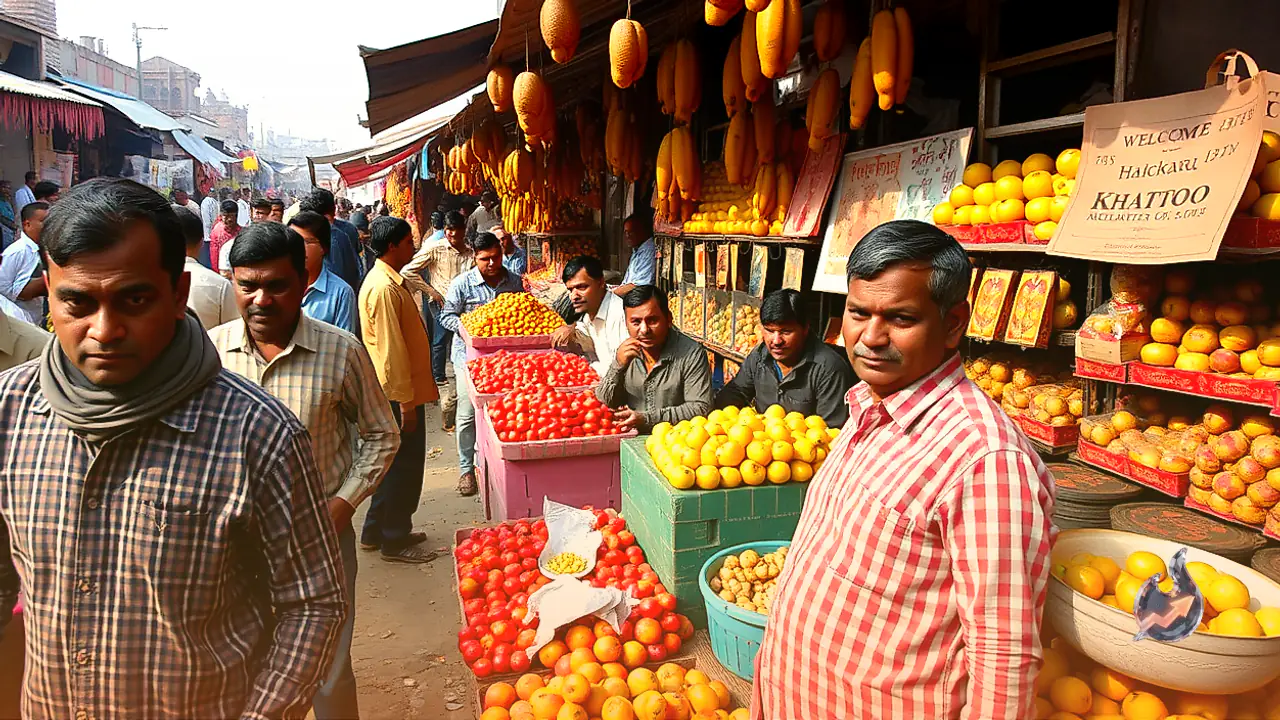

With the arrival of winter in Madhya Pradesh's Chhatarpur district, local markets have begun stocking a distinctive regional fruit known colloquially as Khattoo fruit. Sporting a bright red exterior and a sharp, sour profile, this seasonal produce experiences strong consumer interest throughout the colder months. Residents consume its peel in dried form and prepare a savory chutney that serves as a popular seasonal staple. At present, the fruit is retailing in regional markets at 80 rupees per kilogram.
Local Nomenclature and Regional Identity
Dhaniram, a vendor operating in the bustling weekly Haat market of Chhatarpur, explains the background of this cold-weather specialty. According to him, the arrival of chilly weather reliably brings this fruit to local vegetable stalls across the district. In local dialects, residents also refer to it as Chhitkana Bheda or Chikna Bheda. While it carries diverse informal designations across surrounding rural pockets, the overwhelming presence of its tart taste has cemented its widespread identity as Khattoo fruit.
Visual Similarity to Strawberry with a Unique Culinary Preparation
The vendor points out that the fruit visually resembles a bright red strawberry. While its sharp acidity also mirrors that of a strawberry, the method of eating it is entirely distinct. Consumers do not ingest the fruit whole; instead, they peel it first. Only the outer peel is utilized for cooking and eating, while the internal seeds are strictly avoided. Those interested in cultivating their own trees frequently preserve these discarded seeds at home to plant and nurture future saplings.
Traditional Chutney Recipe and Resemblance to Wood Apple
Winter dining across the region frequently includes diverse varieties of freshly ground chutneys, and the preparation made from Khattoo fruit is especially favored. The sour punch of this fruit closely resembles the sharp tang of Kaveet, commonly known as wood apple or Kaitha. Preparing the condiment follows traditional rural methods: the fruit is paired with fresh green chilies, green coriander leaves, and salt, and then ground together on a conventional Silbatta stone. The resulting tart chutney is eaten alongside hot flatbreads or savored entirely on its own. Nutritionally, the fruit is regarded as a concentrated natural reservoir of vitamin C.
Market Supply Cycles and Price Trajectory
Dhaniram notes that the produce grows on dedicated trees, adding that his personal tree happens to yield the crop earliest in the season. Currently, market arrivals are in their opening phase, which maintains the current retail price at 80 rupees per kilogram. However, as the winter progression brings heavier supplies from across the countryside, the vendor expects retail rates to ease downward to 40 rupees per kilogram. Customer demand for this sour delicacy is expected to remain robust all through the winter season.