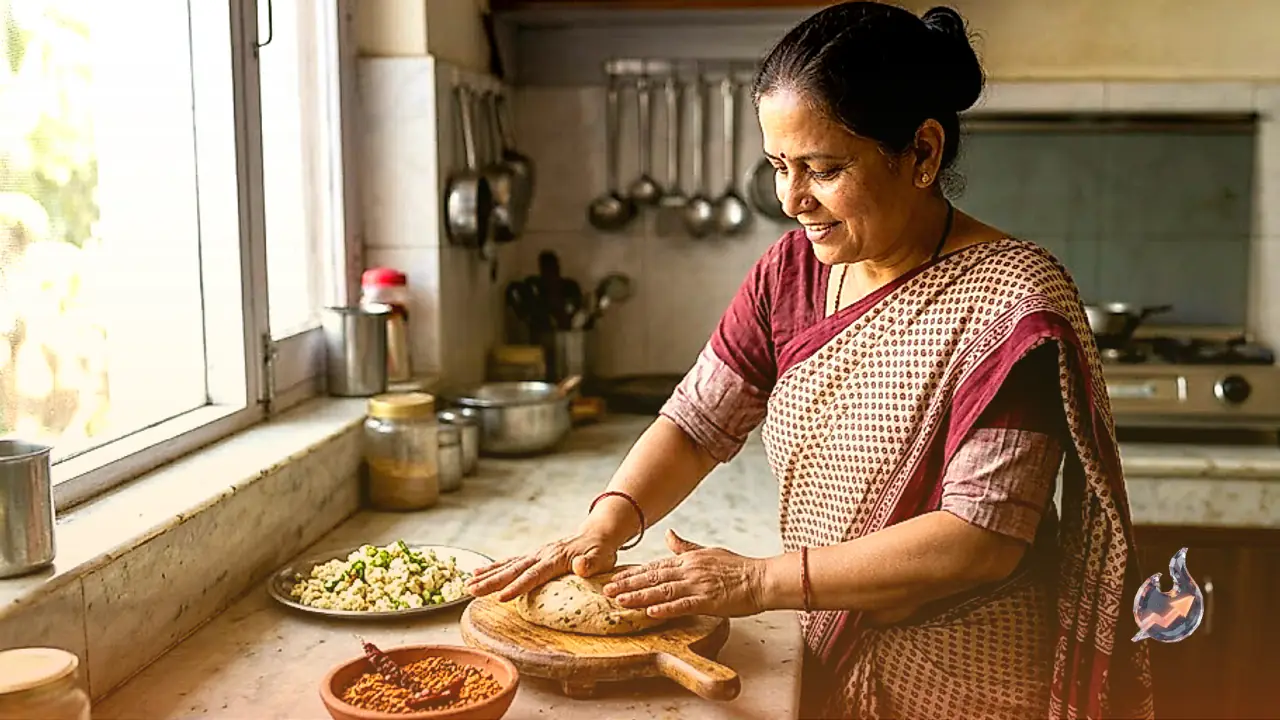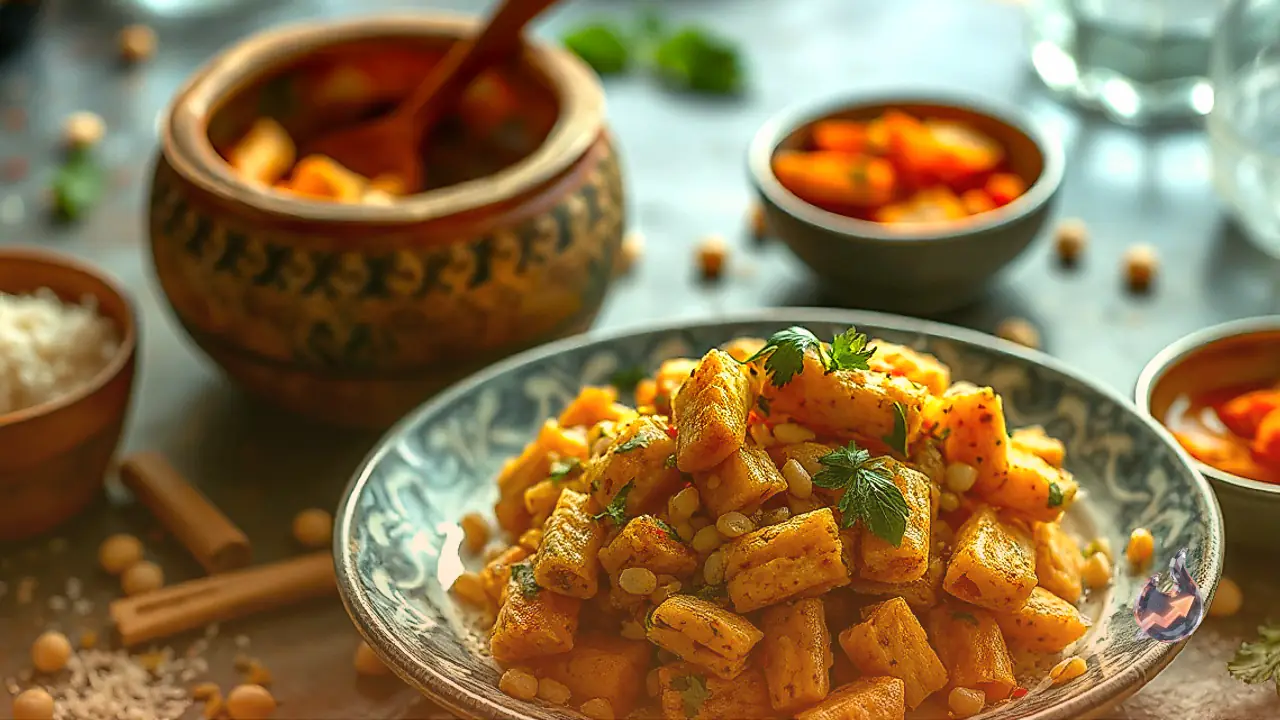























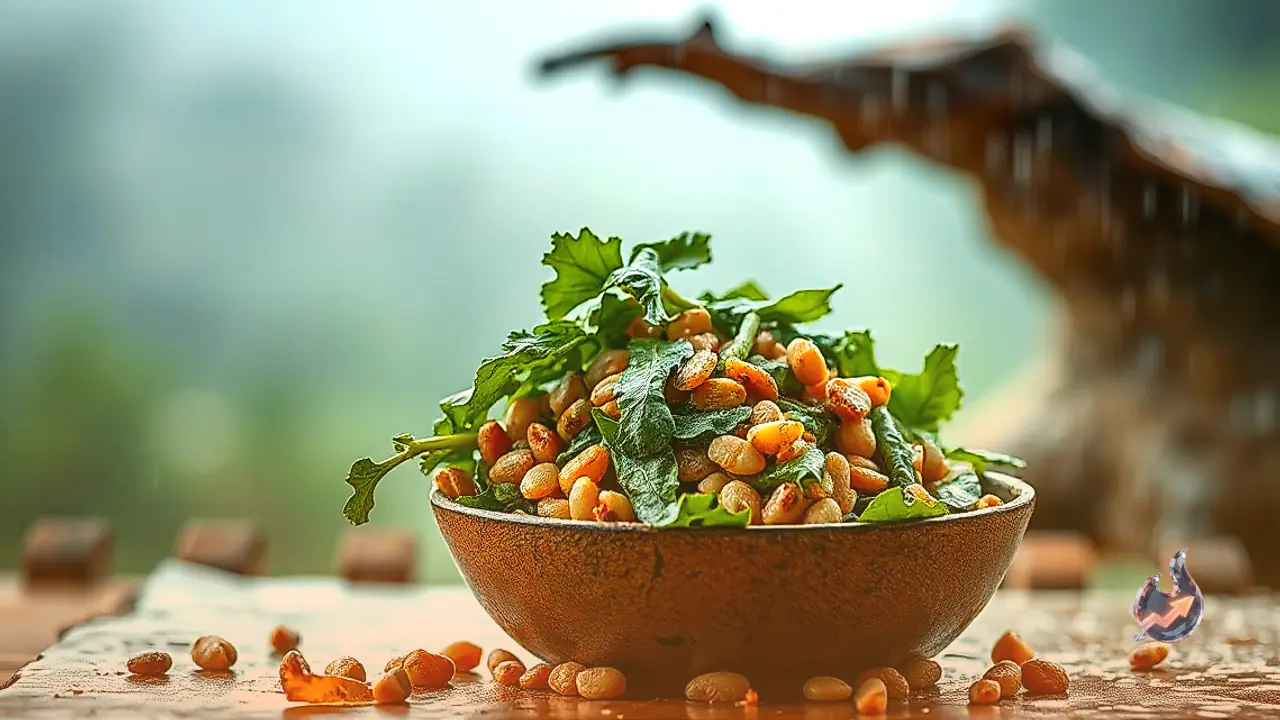

With the arrival of the monsoon season, local markets and agricultural fields overflow with fresh leafy green vegetables. In Central India, particularly across the state of Chhattisgarh, traditional culinary practices place high value on seasonal greens during the rainy months. Among the wide range of rustic dishes, Mooli Bhaji cooked with lentils stands out as a comforting household favorite. Prepared with minimal spices and simple cooking techniques, this dish offers a perfect blend of rich regional flavor and high nutritional value. It is widely enjoyed as a staple meal accompanied by steaming rice or hot rotis.
Thorough Cleaning and Preparation of Radish Greens
The key to preparing an enjoyable dish of radish greens and lentils lies in careful cleaning and preparation. Because radish greens grow close to the ground, fine soil and grit often collect between the leaves. Cooking begins by sorting through the mooli bhaji to remove any wilted stalks. The leaves are then rinsed thoroughly under running water before being finely chopped. Once chopped, the greens undergo a second washing in clean water to ensure every trace of dirt is eliminated. This step guarantees that the final preparation remains completely clean and free from any gritty texture.
Pressure Cooking the Greens with Lentils
After the radish greens are chopped and cleaned, the next step involves boiling them alongside lentils. The prepared mooli bhaji and lentils are transferred together into a pressure cooker. Required amounts of water and salt are added to the cooker before securing the lid. The mixture is allowed to cook over medium heat for 2 to 3 whistles, ensuring that both the lentils and the green leaves soften properly. Once cooked, the heat is turned off, and the steam pressure inside the cooker is allowed to release naturally before opening the lid.
Infusing Flavor with Traditional Tempering
Once the lentils and greens are boiled, the dish receives its signature finishing touch through a traditional tempering method. Oil is heated in a separate wok or kadhai. Once the oil reaches the right temperature, finely chopped garlic, cumin seeds, and chilies are added to create the tempering. As the garlic turns golden and the spices release their aroma, the cooked dal and mooli bhaji mixture from the pressure cooker is carefully poured into the kadhai. The ingredients are stirred thoroughly and allowed to simmer together for a few minutes, allowing the aromatic flavors of garlic, cumin, and chili to fully blend into the dish.
Nutritional Value and Culinary Significance in Chhattisgarh
Green leafy vegetables hold a special place in the culinary heritage of Chhattisgarh, particularly during the monsoon season when light and digestible meals are preferred. Because this dish relies on minimal seasoning rather than heavy spices, it preserves the authentic natural flavor of the radish leaves and lentils. The combination provides essential nutrients while remaining gentle on the stomach. In traditional Chhattisgarhi homes, this wholesome dish is regularly served alongside both rice and flatbreads, making it a seasonal staple across rural and urban kitchens alike.