























Chicken is widely recognized as one of the finest lean protein sources for fitness enthusiasts, bodybuilders, and anyone aiming for a high-protein diet. However, the cooking method used to prepare chicken can dramatically transform its overall caloric density, fat content, and overall nutritional value. This leaves health-conscious eaters with a common debate: is tandoori chicken a healthier option, or does kadai chicken offer similar dietary benefits? Since chicken serves as the primary ingredient in both culinary preparations, the base protein content remains relatively close. The real variance in nutrition stems from the added cooking oils, butter, heavy cream, rich gravy bases, and the specific cuts of meat selected.
Understanding Protein and Calorie Profiles in Tandoori Chicken
When prepared without excessive butter or oil basting, tandoori chicken emerges as a superior choice for muscle recovery and weight-conscious diets. In traditional preparation, chicken pieces are marinated in a yogurt blend mixed with aromatic spices and then roasted inside a clay tandoor oven at high temperatures. This roasting method generally eliminates the need for thick gravy bases or heavy added cooking oils. Chicken meat delivers a complete protein profile, providing all essential amino acids that the human body requires for muscle tissue repair, cellular growth, and metabolic function.
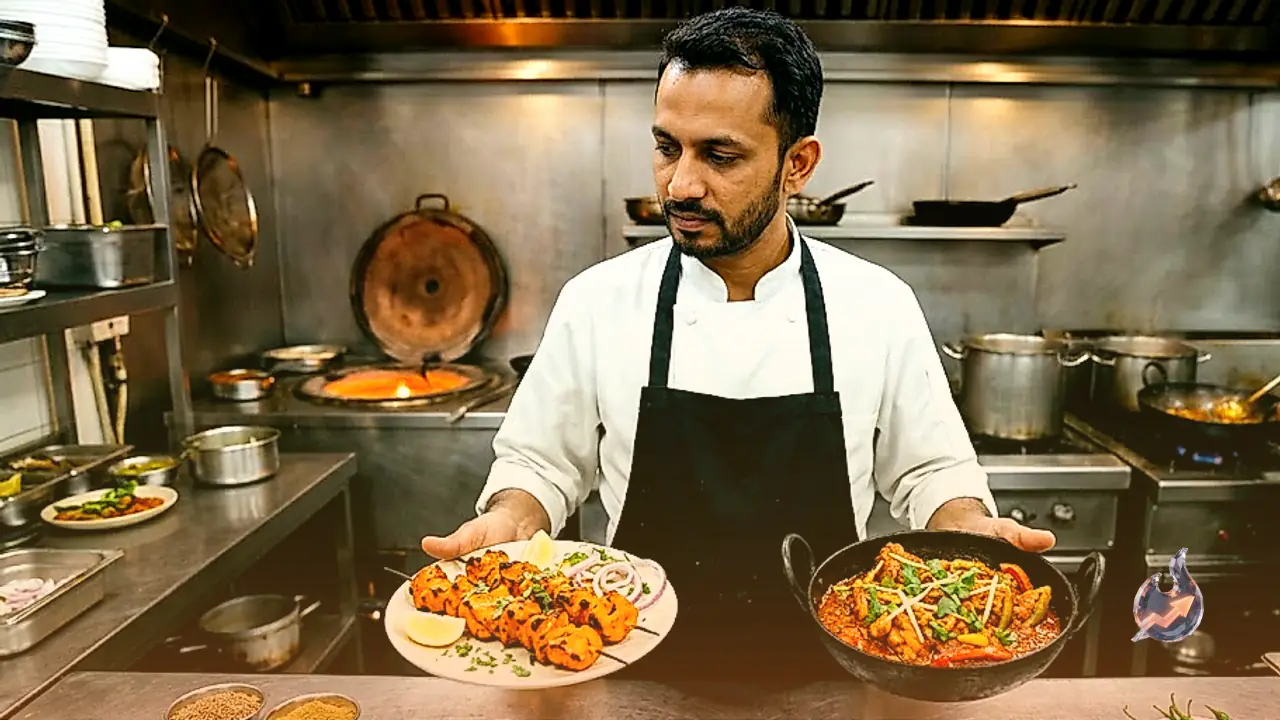
Despite its healthy reputation, tandoori chicken cannot automatically be labeled as low-calorie in every setting. Commercial kitchens and restaurants frequently brush finished tandoori chicken with generous layers of melted butter, ghee, or cooking oil to enhance moisture and shine. These added fats quickly elevate the calorie count and saturated fat levels of an otherwise lean dish.
How Oil and Gravy Alter Kadai Chicken’s Nutrition
Kadai chicken involves cooking chicken pieces in a wok-like vessel alongside chopped onions, tomatoes, green bell peppers, and various whole spices sautéed in oil. Consequently, the nutritional profile of kadai chicken depends heavily on the specific preparation recipe. A home-cooked version using skinless chicken breast, minimal oil, fresh tomatoes, and bell peppers can easily form part of a balanced, protein-rich meal. Conversely, restaurant variations often utilize large quantities of oil and concentrated onion-tomato paste to create a thick, rich sauce, which sharply increases total calories and dietary fat.
For individuals focusing on weight management or fat loss, relying solely on menu names can be misleading. A low-oil tandoori chicken typically provides a lower calorie profile compared to a heavily basted or gravy-heavy dish. Meanwhile, kadai chicken prepared with rich gravy and oil can add hundreds of extra calories without providing extra protein benefits.
Choosing the Right Option for Weight Loss and Muscle Building
For muscle growth, overall daily protein intake and caloric balance take priority over any single meal choice. Consuming tandoori chicken alone will not automatically lead to muscle development unless it aligns with total nutritional requirements and training routines. When equal portions of chicken are compared, the foundational protein quantity remains nearly identical between both dishes.
Selecting skinless chicken breast over higher-fat cuts like chicken thighs or wings plays a key role in maximizing protein while keeping fat intake low. Therefore, a minimally oiled tandoori chicken serves as a convenient high-protein option, while a carefully prepared low-oil kadai chicken can be equally valuable in a structured dietary regimen.