






















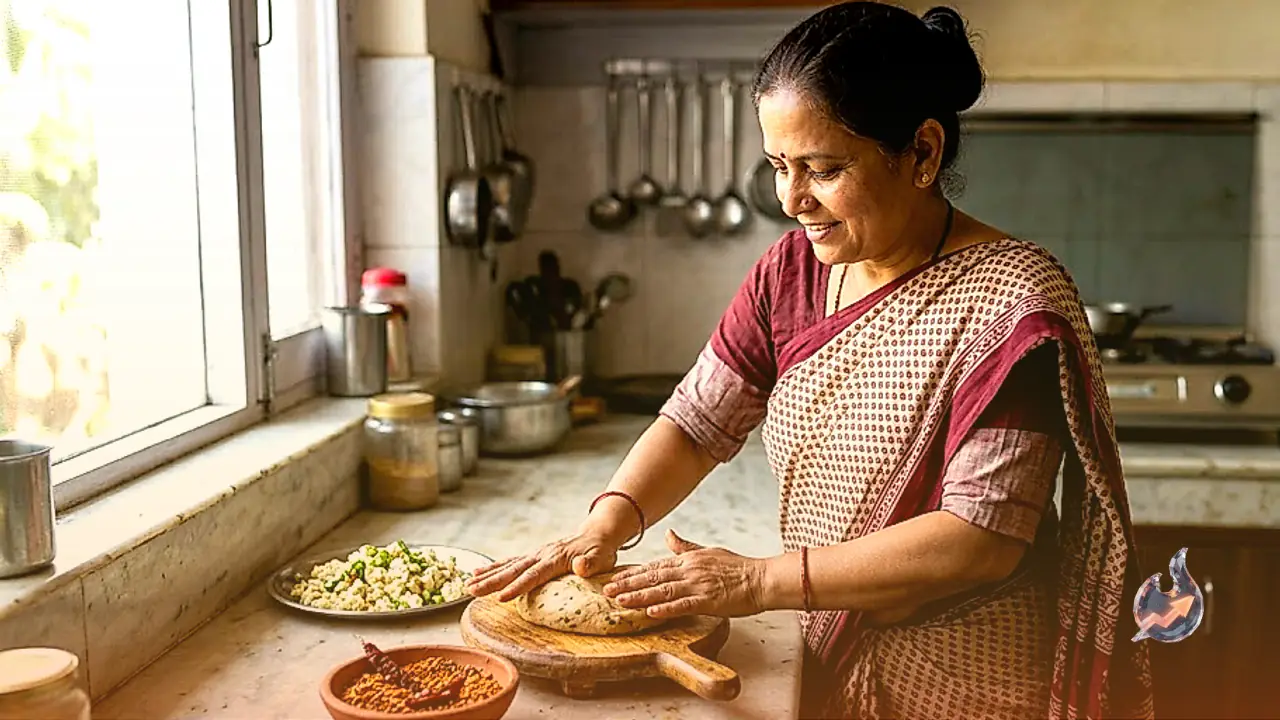

Achieving that authentic dhaba style punch and texture in home-cooked paneer parathas often comes down to one simple culinary secret. While most households rely on basic raw spices, traditional highway eateries elevate their stuffed flatbreads using a freshly dry roasted spice blend combined with perfectly kneaded dough. By making a slight adjustment to the stuffing preparation and incorporating roasted aromatic spices, anyone can replicate the rich aroma and mouthwatering flavor of restaurant-quality paneer paratha right in their own kitchen without relying on store-bought spice packets or artificial flavorings.
Essential Ingredients for Dhaba Style Paratha
Creating a delicious dhaba style paratha starts with high-quality, everyday kitchen staples. The foundation requires wholesome whole wheat flour for dough preparation. For the main filling, freshly grated paneer serves as the core ingredient. Fine chopped green chillies and freshly washed coriander leaves are added to bring vibrant color, freshness, and a mild heat. A balanced pinch of regular salt brings all these natural components together. Because the recipe relies entirely on fresh, unadulterated ingredients, there is no need for any synthetic additives or packaged seasonings.
Elevating Flavor with a Roasted Spice Blend
The hallmark of a true dhaba style flatbread is its distinctive smoky and tangy flavor profile. In this recipe, amchur powder plays a crucial role by contributing a pleasant tartness that cuts through the richness of the paneer. The real magic, however, lies in a signature roasted spice mix. Whole coriander seeds, cumin seeds, and dry red chillies are lightly toasted on a skillet and coarsely crushed. When this warm, freshly ground spice mixture is folded into the grated paneer, it releases an inviting aroma and dramatically enhances the taste, turning an ordinary paratha into an extraordinary meal.
Onion Choice: Customizing to Your Preference
One of the key advantages of this recipe is its versatility to accommodate varied dietary requirements and tastes. If you enjoy an added crunch and flavor depth, finely diced onions can be seamlessly integrated into the paneer stuffing. The slight crispness of onions enhances the overall texture of the paratha. Conversely, if you prefer an onion-free meal, adhere to a sattvik diet, or are preparing food for religious fasting rituals, you can omit onions completely. Even without onions, the combination of rich paneer and freshly roasted spices delivers an exceptionally flavorful and satisfying outcome.
Technique for Kneading Soft and Perfect Dough
The secret to a pliable, non-bursting paratha begins with how the wheat flour is kneaded. Transfer an adequate amount of whole wheat flour into a wide mixing bowl. Gradually pour in water in small increments while working the flour with your hands. The objective is to achieve a soft, elastic, and smooth dough that is neither overly firm nor sticky. Well kneaded soft dough ensures that the parathas cook into a tender, fluffy texture. Moreover, flexible dough stretches easily during rolling, eliminating the risk of the paneer stuffing tearing through the outer layer.
Preparing the Rich Paneer Stuffing
Once the dough is set aside, prepare the flavorful stuffing mixture. In a deep bowl, combine the grated paneer with chopped green chillies, fresh coriander leaves, and salt to taste. Add the amchur powder for acidity along with the freshly roasted and crushed spice mix comprising coriander seeds, cumin, and red chillies. If using onions, fold in the fine chopped onions at this stage. Mix all ingredients gently using light hand movements to ensure the spices evenly coat the paneer without mashing the cheese into a dense paste.
Sealing the Stuffing Seamlessly inside Dough
Divide the kneaded dough into uniform, lemon-sized balls. Take one dough ball, dust it lightly with dry wheat flour, and shape it into a small shallow cup using your fingers, or roll it out slightly with a rolling pin. Place a generous portion of the prepared paneer stuffing right in the center. Bring the outer edges of the dough upward toward the middle, gathering them together before pinching firmly to seal the top. This secure sealing method prevents the filling from leaking out when pressure is applied during the rolling stage.
Rolling the Paratha Without Tearing
Lightly dust the stuffed dough ball with dry wheat flour to prevent sticking to the rolling board or pin. Using gentle, even pressure, roll out the paratha into a circular disc. It is essential to direct the rolling pressure toward the outer edges rather than pressing down heavily in the center. This delicate technique allows the grated paneer and roasted spices to distribute uniformly across the entire flatbread right up to the rims, keeping the dough intact and preventing any tearing.
Frying to Golden Crispy Perfection on Tawa
Place a tawa or flat skillet over medium heat and allow it to warm up thoroughly. Lay the rolled paratha onto the heated surface. Once small bubbles form and the underside is lightly cooked, flip the paratha over. Brush both sides generously with your choice of cooking medium such as traditional desi ghee, mustard oil, or refined cooking oil. Press down gently across the surface with a spatula to ensure uniform browning. Cook until both sides turn golden brown and delightfully crispy. Serve the piping hot dhaba style paneer paratha immediately with fresh butter, curd, or pickles.