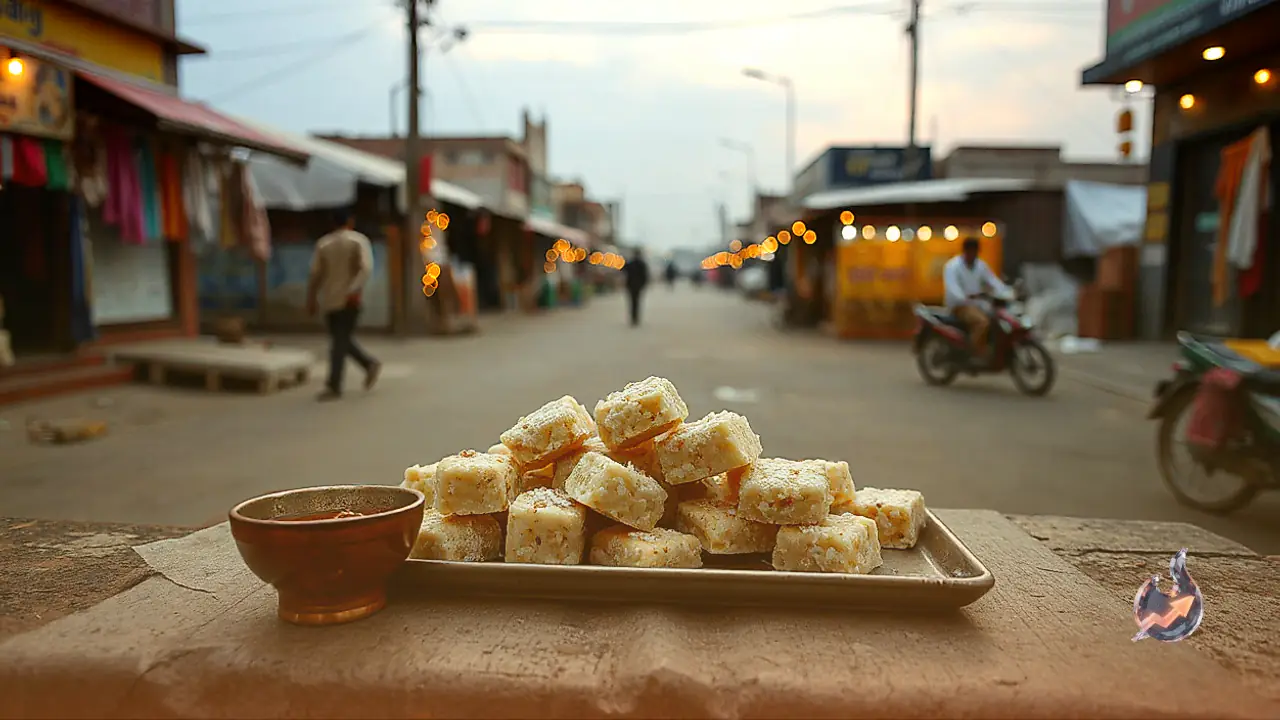























As Diwali and the broader festive season approach, consumer demand for traditional sweets soars across markets. To capitalize on this peak rush and maximize profit margins, some vendors resort to selling adulterated sweets prepared with fake ingredients and toxic chemical dyes. Consuming such compromised sweetmeats poses significant health risks to buyers. Addressing these dangers, the Food Safety and Drug Administration Department in Azamgarh has launched extensive inspection drives across multiple market locations to curb the sale of substandard items.
Health Risks Behind Festive Sweet Adulteration
During festival rushes, the pressure to meet high order volumes often leads unscrupulous sellers to compromise on ingredient quality. Synthetic food colors and harmful chemicals added to give sweets an alluring appearance can cause serious health complications. While official food safety teams are actively inspecting sweet shops and manufacturing units, authorities emphasize that consumer vigilance remains the most effective line of defense. By following straightforward verification steps, shoppers can easily distinguish pure confections from adulterated products before making a purchase.
The Palm Test for Checking Khoya Purity
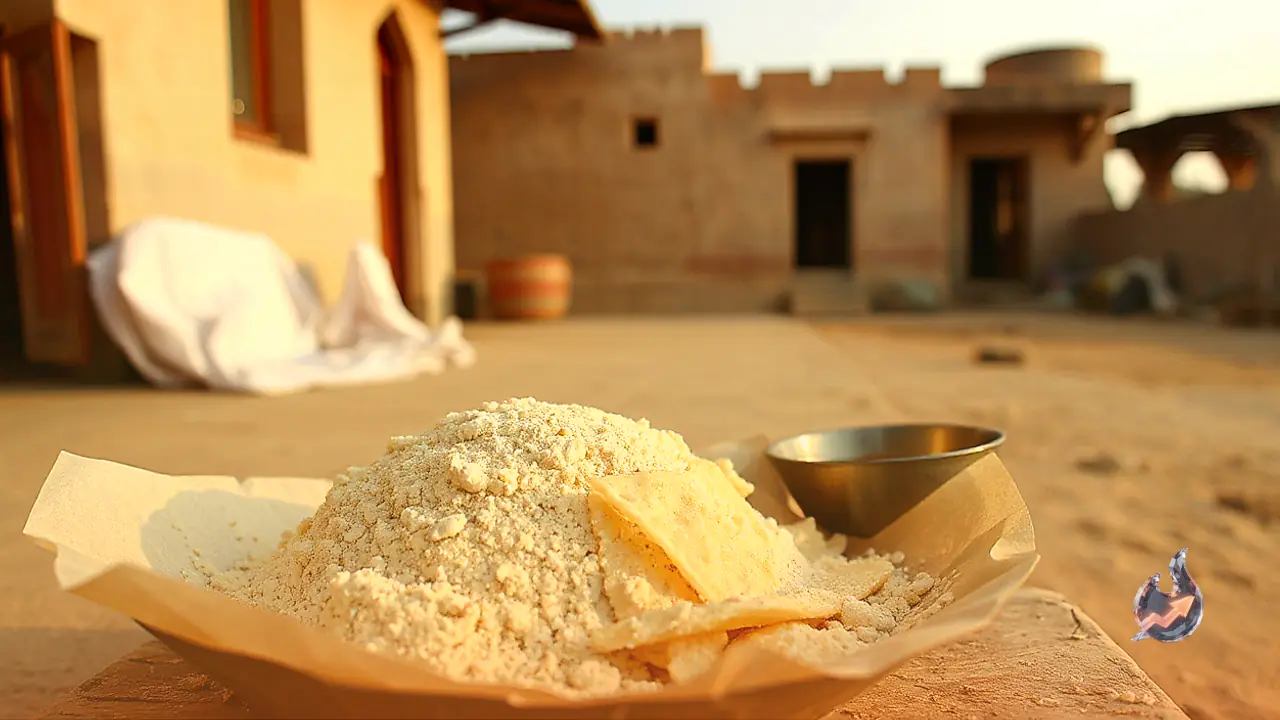
Sushil Mishra, Assistant Food Commissioner of Azamgarh, explained practical techniques that shoppers can use to verify product quality on the spot. The primary test for checking khoya purity relies on a quick palm rubbing method. Buyers should take a tiny portion of khoya and rub it between their palm or fingers for a brief moment. Pure and unadulterated khoya will release natural ghee and leave a smooth, oily feel on the skin.
Spotting Starch and Chemical Contaminants
If the khoya is fake or adulterated with starch, it behaves very differently under friction, stretching like rubber and leaving a sticky residue on the fingers. When tasted, synthetic or adulterated khoya feels sticky on the palate and carries a flat, tasteless flavor profile. Visual appearance and texture also offer clear clues regarding purity. Premium quality khoya displays a soft texture and a pale yellow creamy hue. Conversely, khoya that appears bright white or feels unusually hard is highly likely to contain chemical additives. Food safety officials urge the public to inspect these physical traits carefully to ensure safe celebrations during the holidays.