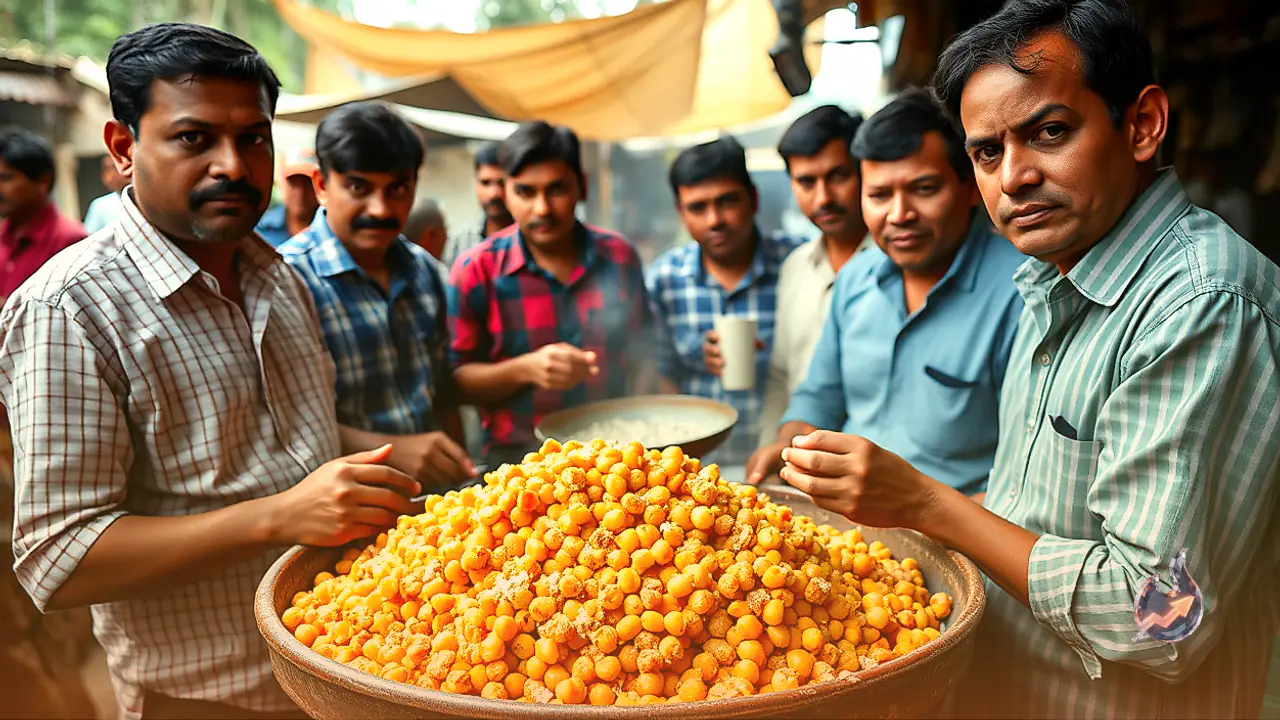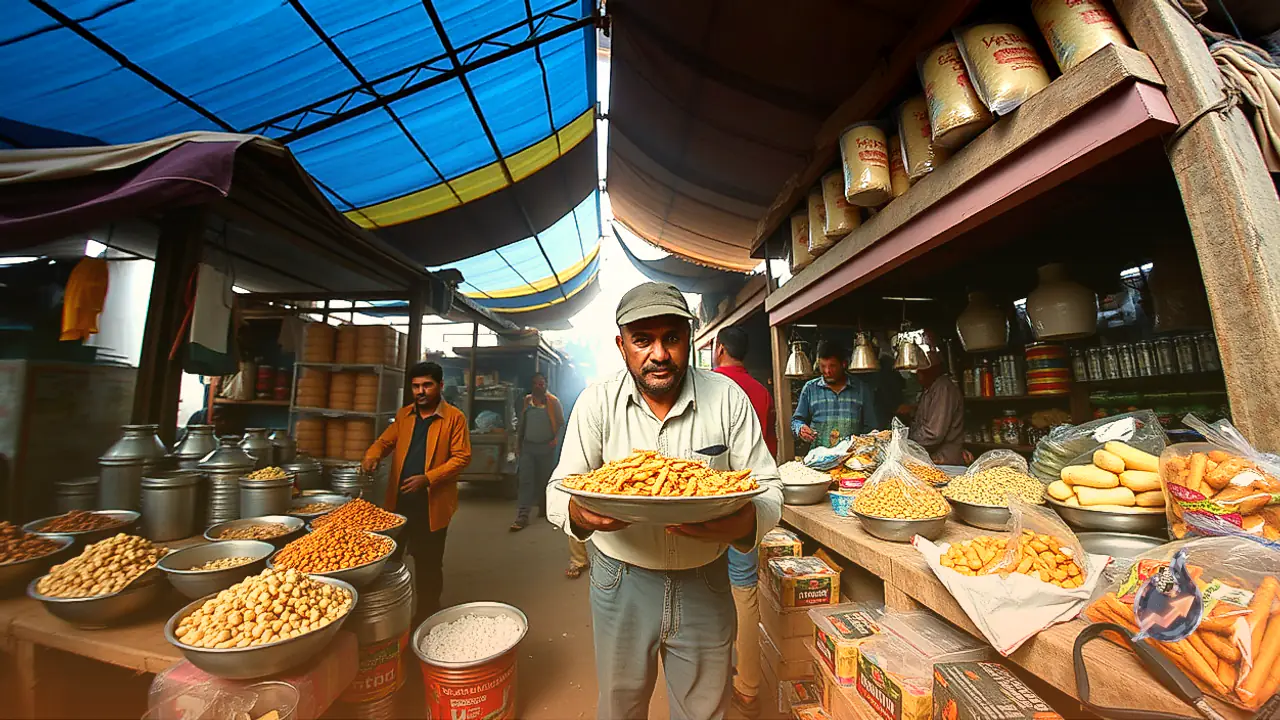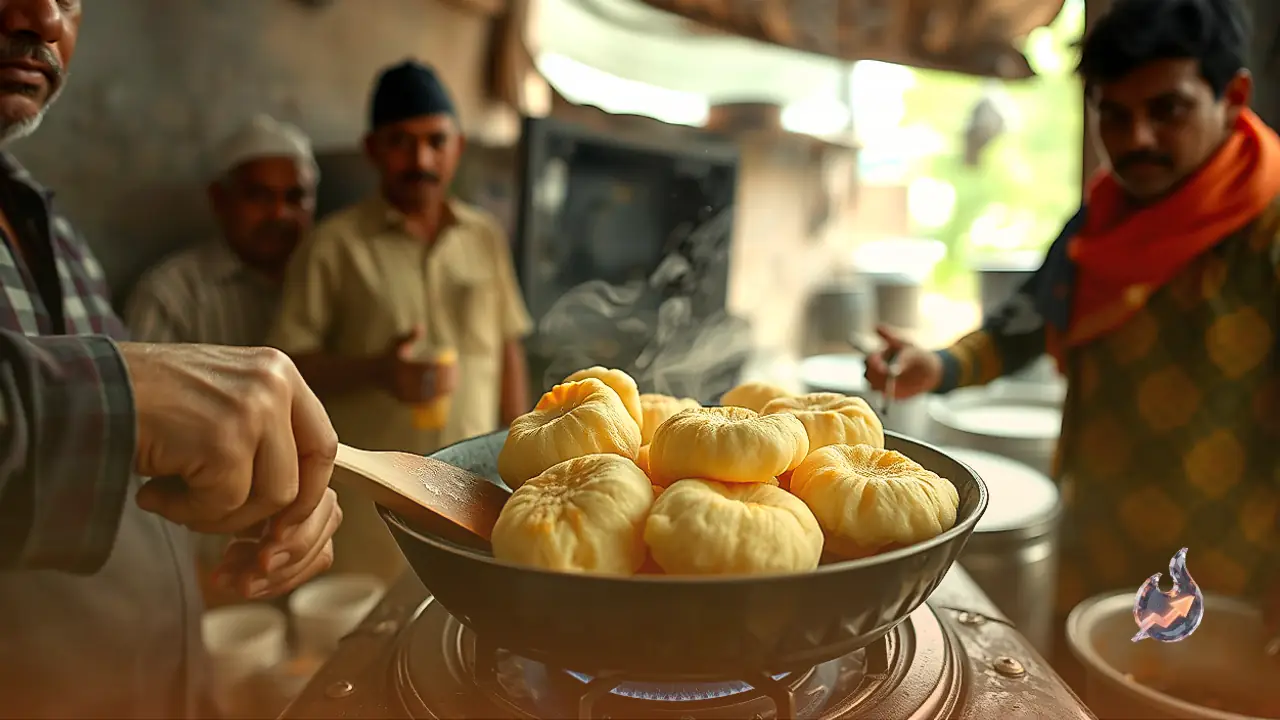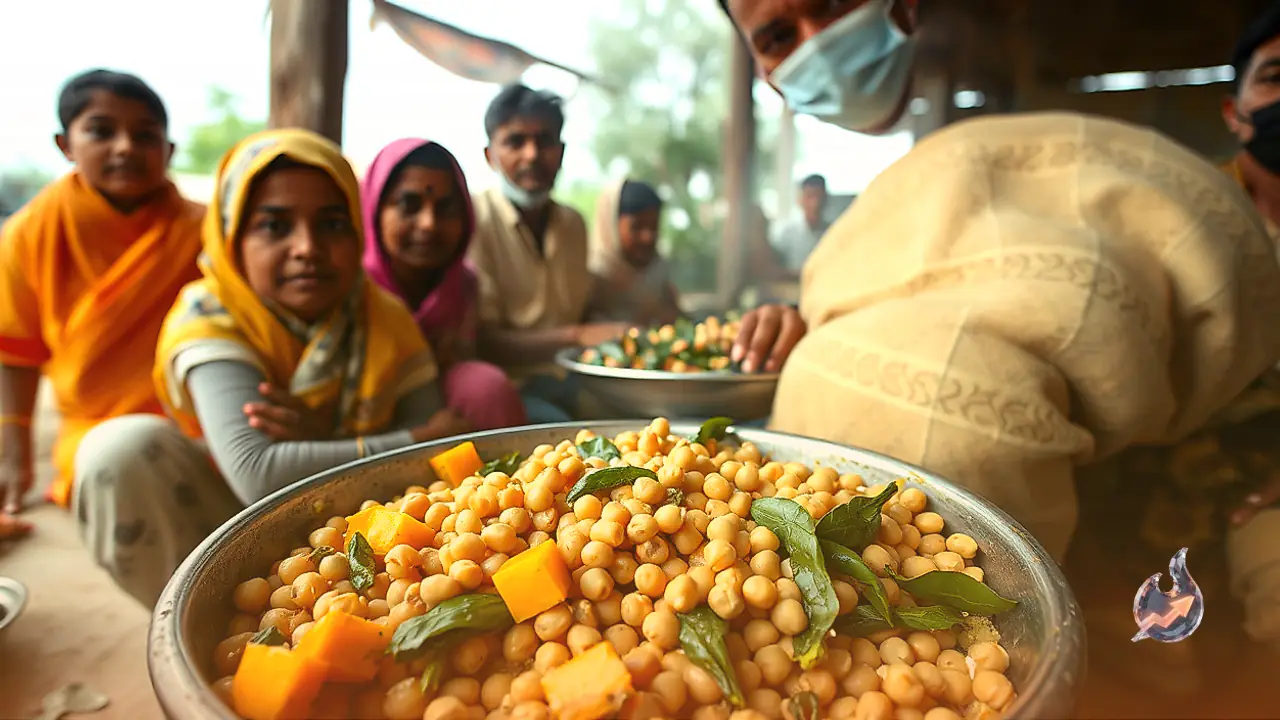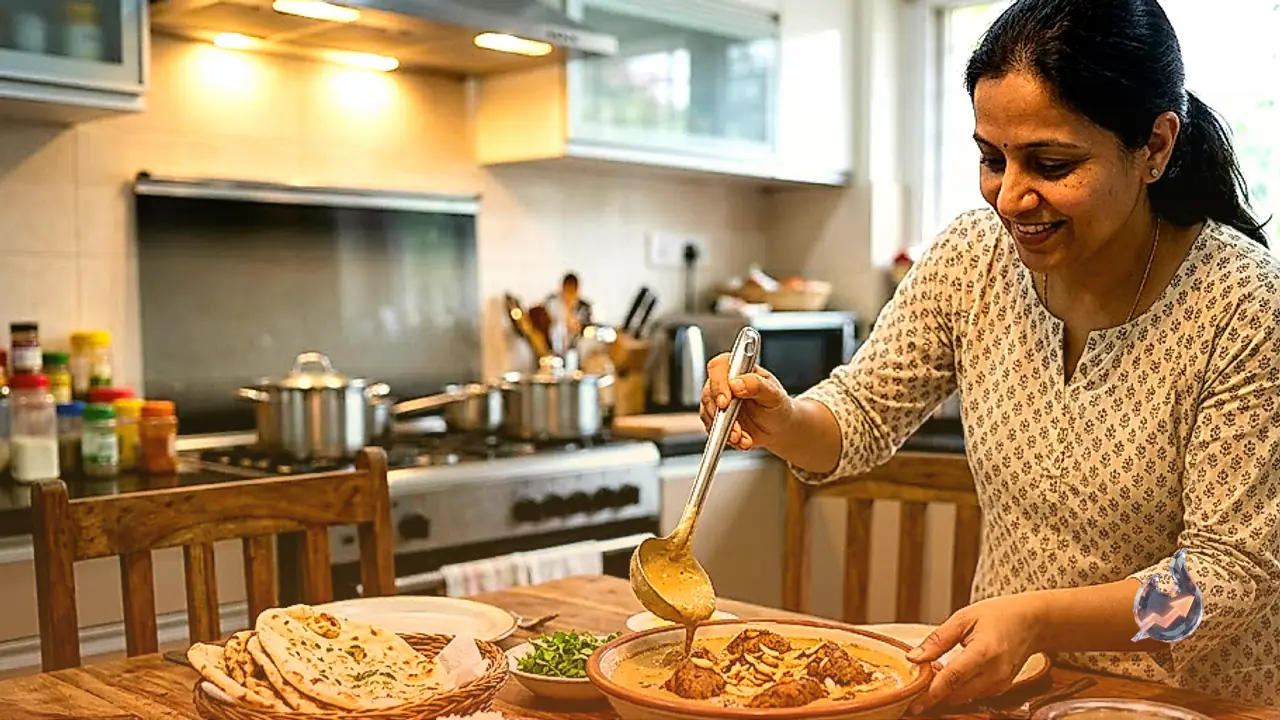






















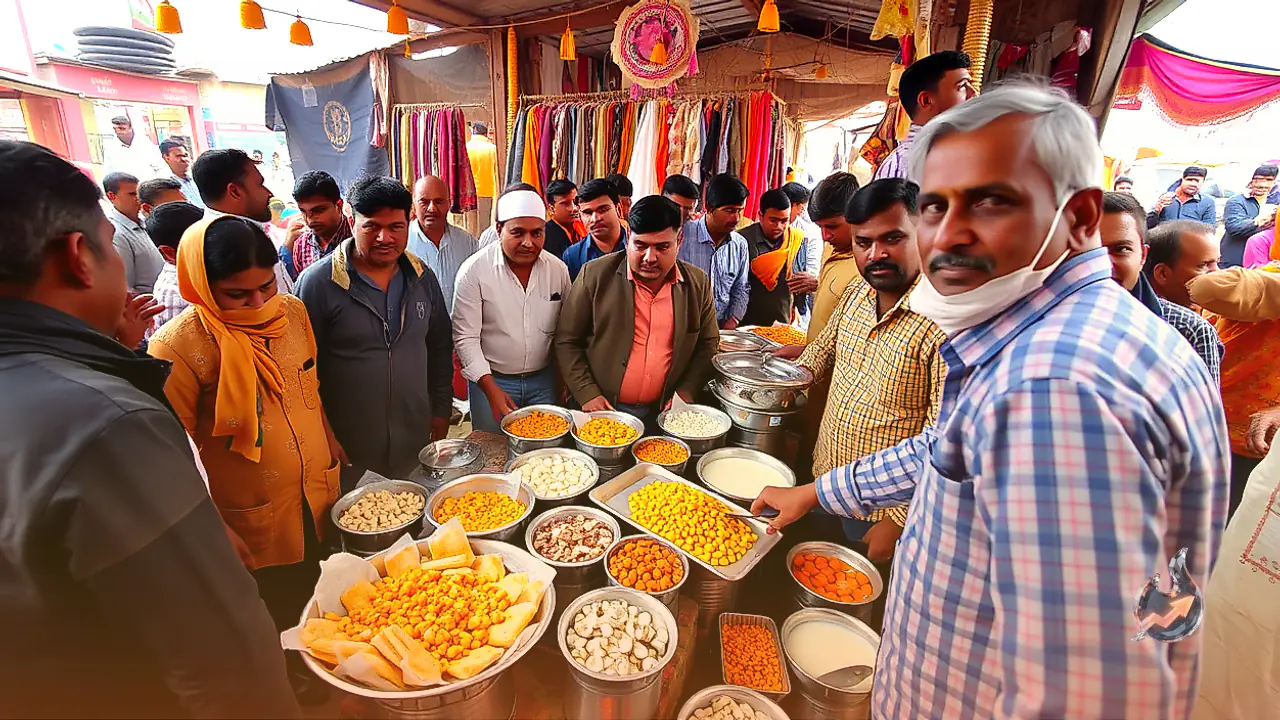

With the festive season of Diwali right around the corner, households across the country have begun preparations for an array of festive delicacies. Amid widespread concerns regarding adulteration in commercial market sweets during festive rushes, families are increasingly leaning toward home-cooked culinary heritage. For those seeking to introduce an authentic regional delicacy to their festive spread, the traditional buttermilk and boora puas from Dholpur in Rajasthan offer an ideal choice. Deeply cherished across rural Dholpur, this classic confection holds a distinct culinary identity. The delicate harmony of gentle tang from buttermilk combined with the crisp sweetness of refined sugar powder appeals to every palate, from young children to household elders. Furthermore, the preparation is remarkably straightforward, requiring minimal active kitchen time and no complicated culinary apparatus.
Wholesome Ingredients Found in Every Kitchen
Preparing these unique puas does not require sourcing expensive specialty items from commercial stores. Readily available kitchen staples come together to create this remarkable dish. The foundation rests on approximately one litre of fresh or mildly sour buttermilk. Along with that, the recipe calls for an appropriate quantity of standard wheat flour, pure desi ghee for frying, and finely ground boora, also known as tagar, to coat the finished confection. To elevate the overall flavor profile and infuse the fried sweet with a pleasant fragrance, home cooks frequently incorporate crushed cashew nuts, almonds, and green cardamom.
Mastering the Batter Consistency
Dholpur-based homemaker Prabha Sharma has detailed the time-tested technique behind perfecting this rural specialty. The process commences by pouring roughly one litre of buttermilk into a spacious mixing vessel. Gradually incorporate wheat flour into the liquid, stirring continuously throughout the addition to ensure no lumps form. Achieving the correct density is paramount: the batter should neither turn excessively thick nor become overly runny. Once a smooth, uniform texture is achieved, blend in coarsely pounded almonds, cashews, and aromatic green cardamom. These crushed dry fruits and fragrant spices significantly enrich both the aroma and bite of each individual piece.
Frying in Desi Ghee and the Coating Technique
Once the batter is uniformly mixed, place a heavy-bottomed pan on the stove and heat an adequate quantity of pure desi ghee. As soon as the ghee reaches the optimal frying temperature, ladle portions of the batter into round shapes directly into the hot fat. Maintain the cooking flame at a steady medium level to guarantee even cooking from the core outward. Gently turn the puas over until both sides attain a rich golden tone and a crisp outer shell, then transfer them to an absorbent surface. Meanwhile, spread a generous layer of boora across a wide platter. Place the hot fried puas directly onto this bed of sugar and gently press both sides so the granules adhere evenly across the warm surface. Repeat this sequence until the remaining batter is completely used.
Serving Rural Festive Tradition to Guests
Within just a few minutes of structured effort, these delightfully crisp, sweet-and-sour puas are ready to be savored. According to Prabha Sharma, the pairing of wholesome whole wheat flour, churned buttermilk, pure ghee, and rich nuts delivers an extraordinary culinary indulgence. The subtle tanginess derived from the buttermilk beautifully balances the surface sweetness of the boora, producing a combination capable of outshining costly commercial sweets. Serving this regional delicacy to visiting friends and family during Diwali offers a wholesome, festive alternative to questionable commercial sweets while celebrating the authentic culinary traditions of rural Rajasthan.