






















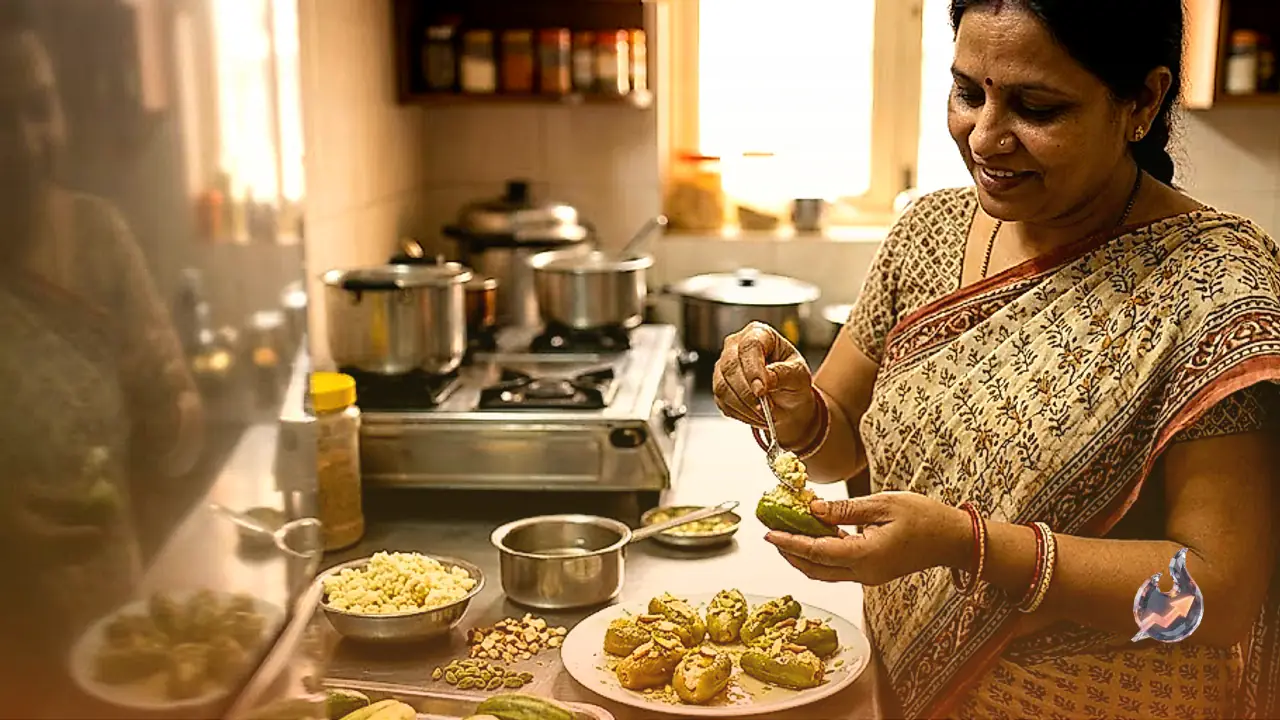

With the arrival of the festive season, households across the country begin preparing an array of traditional Indian sweets. While many people routinely purchase readymade sweets from local markets to celebrate special occasions, concerns regarding food adulteration during peak festival periods remain high. For those seeking to treat family and guests to an authentic, pure, and unique delicacy, preparing Parwal Ki Mithai (stuffed pointed gourd sweet) at home serves as an ideal choice. Crafted from fresh green pointed gourds filled with a rich mixture of mawa (khoya) and dried fruits, this dessert offers an appealing visual presentation along with a distinctive taste profile.
A Traditional North Indian Specialty
Parwal Ki Mithai holds a cherished position in North Indian culinary traditions. It is frequently served during major festivals, wedding ceremonies, and family gatherings. The defining advantage of this sweet dish is its reliance on simple, accessible household ingredients. With standard staples such as milk-derived mawa, granulated sugar, and select nuts, home cooks can produce a bakery-quality sweet. The contrasting texture of the tender vegetable shell paired with the sweet, aromatic filling sets it apart from conventional milk-based sweets.
Required Ingredients and Exact Quantities
Achieving the right taste and texture begins with selecting firm, fresh, green pointed gourds. Overripe, yellowed, or overly soft gourds must be avoided as they fail to retain structural integrity during processing. The standard ingredient measurements required for this recipe include
- Pointed Gourd (Parwal): 500 grams (fresh and firm)
- Mawa (Khoya): 250 to 300 grams
- Sugar: 250 grams
- Water: 1/2 cup
- Cashews and Almonds: 2 to 3 tablespoons (finely chopped)
- Cardamom Powder: 1/2 teaspoon
- Milk: As required
- Garnish: Finely chopped pistachios and edible silver leaf (chandi vark, optional)
Preparation and Parboiling Process
Begin the preparation by washing the gourds thoroughly under clean running water. Trim both ends slightly using a sharp kitchen knife. Make a single longitudinal incision down the center of each gourd, taking extreme care not to slice the vegetable into two separate halves. Using the handle of a small spoon or a slender knife, gently scoop out and discard the interior seeds and fibrous pulp.
Bring a pot of water to a rolling boil. Submerge the deseeded gourds into the boiling water and cook for a few minutes until they become lightly tender. Avoid overboiling, as mushy gourds will collapse during the stuffing phase. Remove the boiled gourds from the water immediately and transfer them to a colander to drain and cool completely.
Preparing the Aromatic Mawa Filling
The internal filling forms the core flavor component of this dessert. Place the mawa in a heavy-bottomed pan over low heat. Stir the mixture continuously to ensure even roasting and to prevent scorch marks or sticking to the pan surface. As the moisture contents evaporate and the mawa releases a sweet fragrance, turn off the heat. Incorporate the chopped cashews, almonds, and powdered cardamom into the warm mawa. Allow the mixture to cool to room temperature.
Sugar Syrup Preparation and Final Assembly
In a separate saucepan, combine 250 grams of sugar with half a cup of water over medium heat. Heat the mixture until the sugar dissolves completely and reaches approximately a one-thread syrup consistency. Once achieved, extinguish the flame.
Take the cooled, parboiled gourds and carefully pack the prepared mawa stuffing into each central slit. Apply gentle pressure to avoid cracking the outer vegetable wall. After filling all the gourds, immerse them in the warm sugar syrup. Allow them to soak so the outer layer absorbs the sweet syrup flavor thoroughly.
Garnishing and Presentation Recommendations
Carefully lift the stuffed gourds from the syrup and arrange them on a serving platter. Garnish the top of each piece with finely slivered pistachios, almonds, and cashews. For a ceremonial or festive touch, delicate sheets of edible silver leaf may be applied across the surface. Serving the confection chilled enhances both its structural firmness and flavor integration.