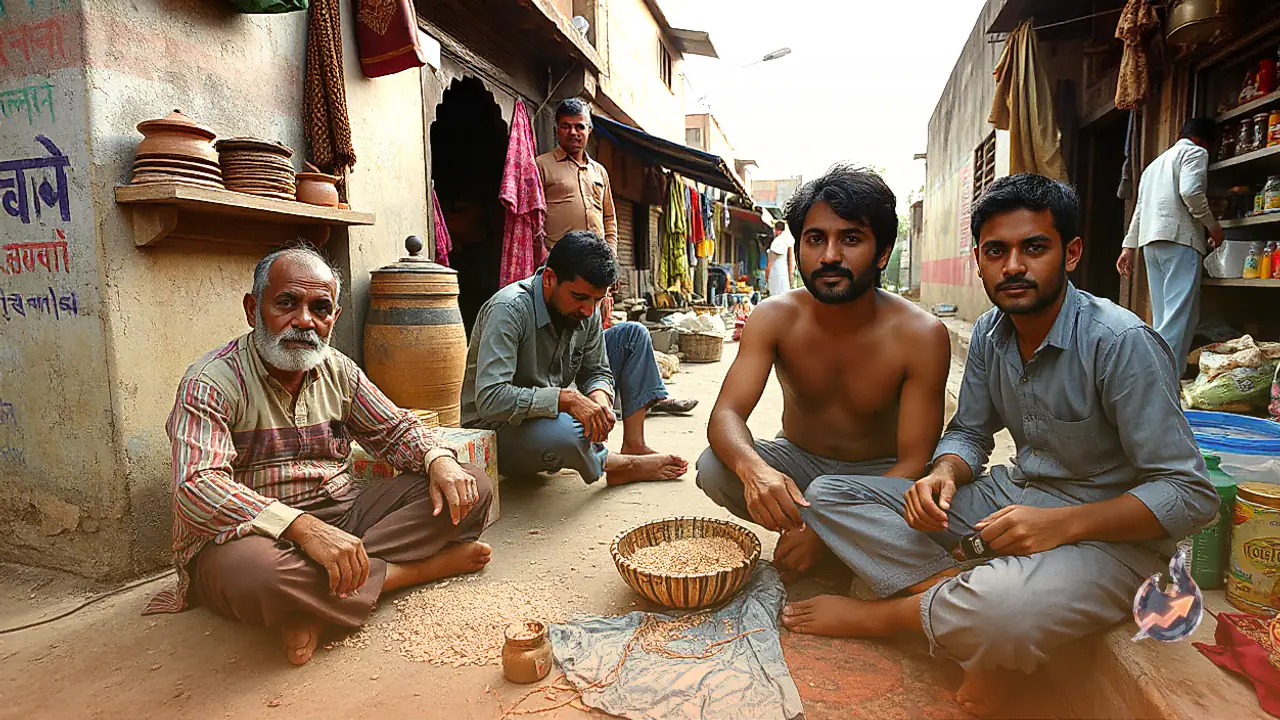




















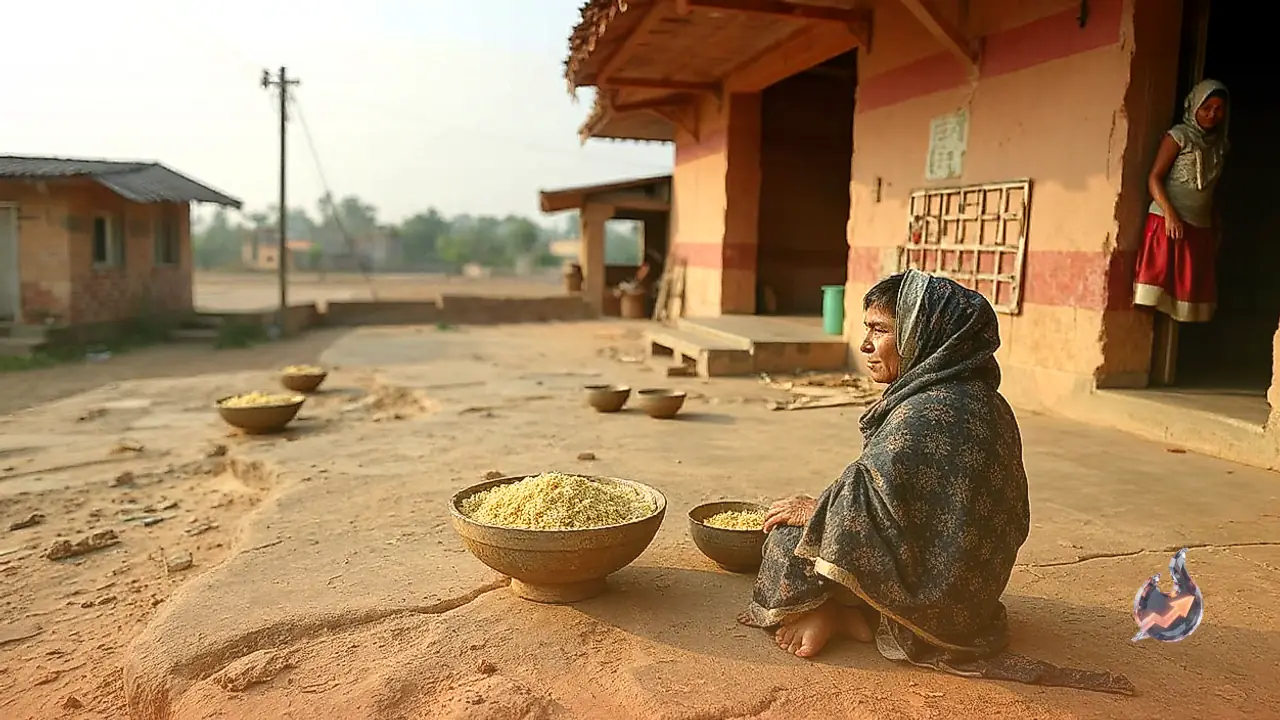

Across Madhubani and the wider Mithilanchal region of Bihar, welcoming guests and celebrating festivals is deeply tied to the traditional preparation of Bari-Bhat. Whether someone returns from a holy pilgrimage, special visitors arrive at the household, or an offering needs to be made to Goddess Bhagwati, this classic dish occupies a central place on the dining plate. Furthermore, this traditional delicacy is customarily served whenever daughters visit or depart from their parental homes.
The Cultural Significance of Bari-Bhat in Mithilanchal
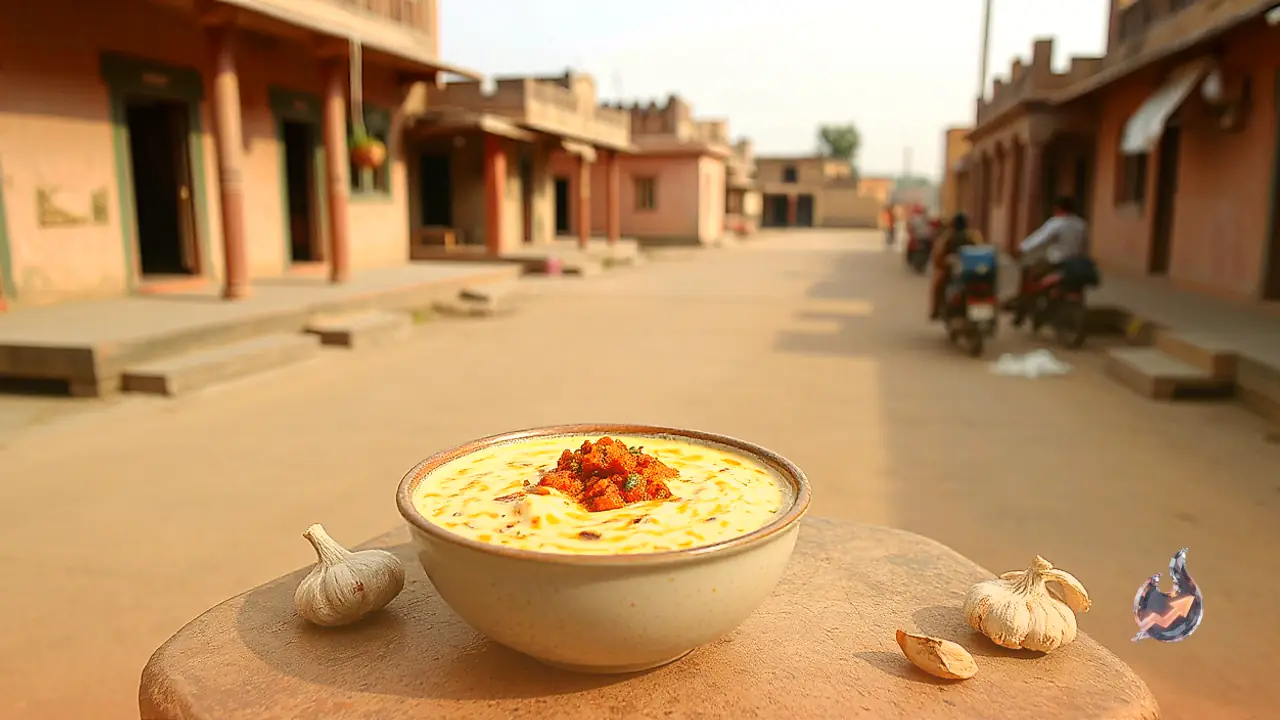
Every region takes pride in its distinct culinary heritage, and for Mithilanchal, Bari-Bhat remains the quintessential traditional meal for every important milestone. Unlike standard yogurt-based curry dumplings, the authentic local version features chickpea flour bāris that are considered incomplete without the characteristic sour flavoring known as āmil. This time-honored recipe continues to define the rich food culture of the entire community.
The Unique Method of Testing Batter Consistency
The traditional technique used to prepare the chickpea flour batter in Mithila is remarkably distinct. Long before cooking begins, culinary experts can determine whether the dumplings will turn out fluffy and flavorful simply by testing the raw mixture. Food expert Munni explains that a small portion of the mixed chickpea batter is dropped into plain water to check its readiness. If the batter floats to the top, it indicates that the dumplings will expand nicely and taste delicious, whereas sinking to the bottom means the mixture requires further beating.
Step-by-Step Guide to Cooking the Traditional Dish
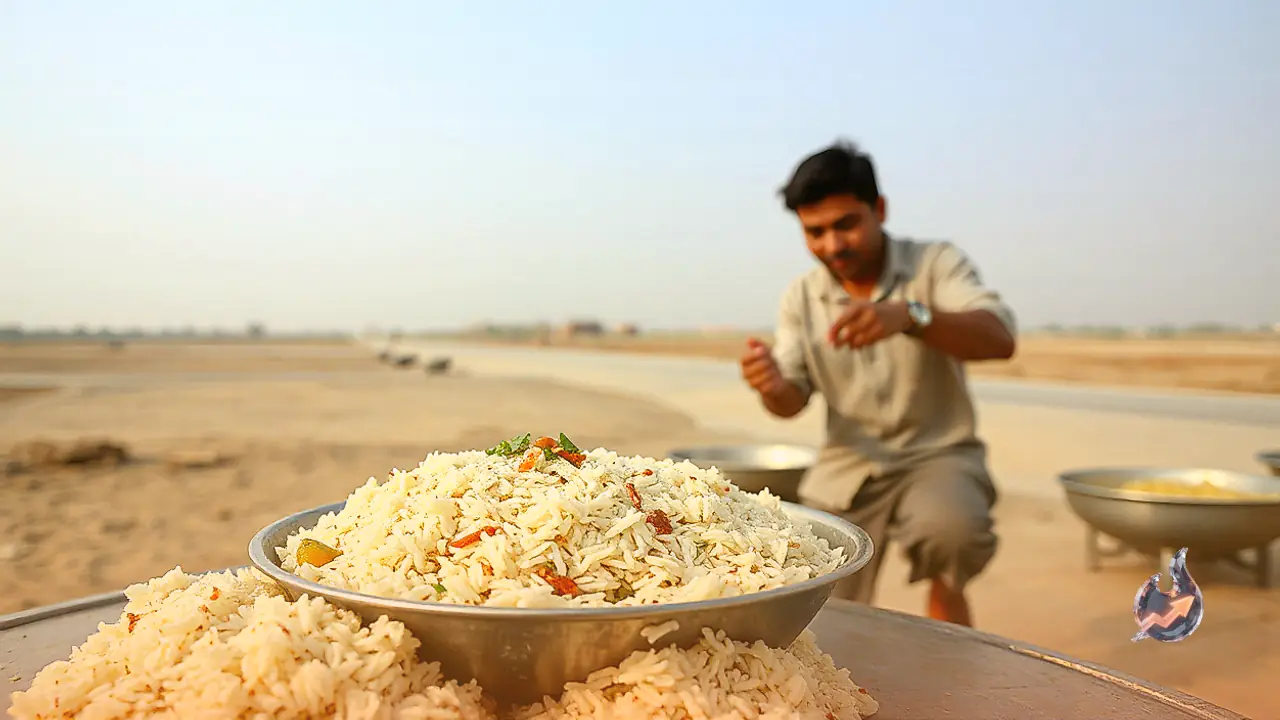
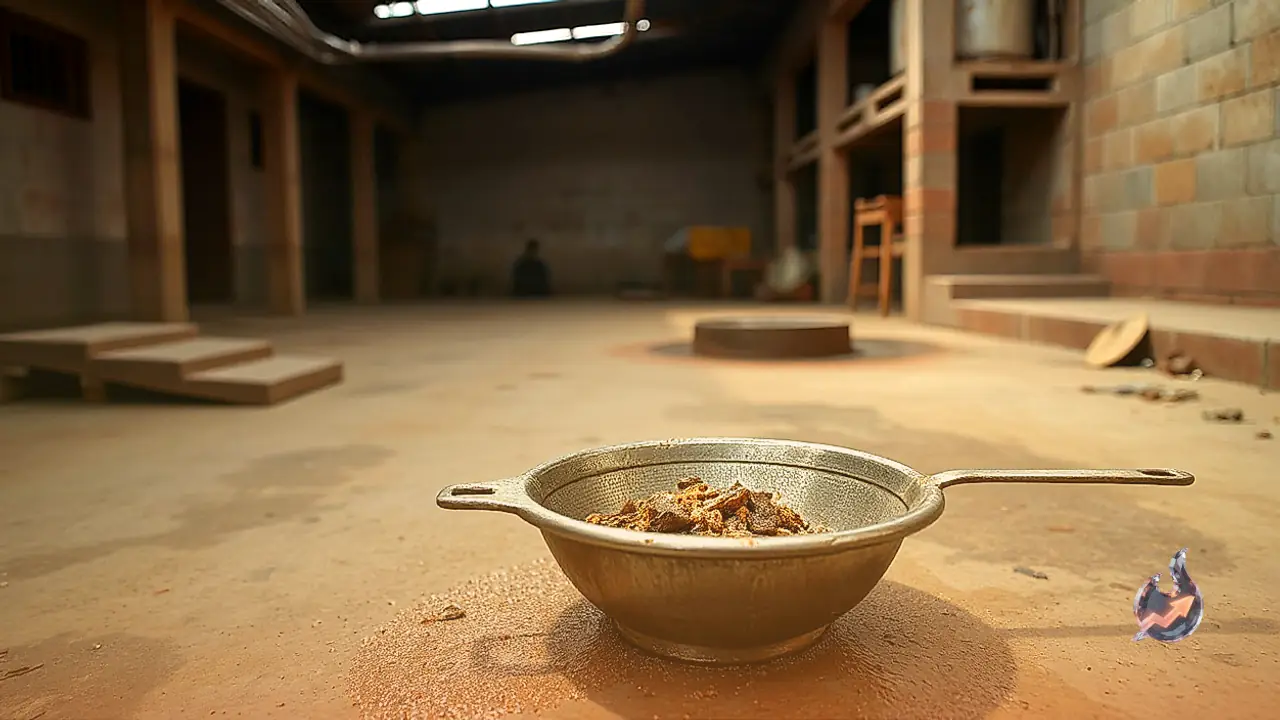
Preparing this authentic recipe begins by mixing chickpea flour with salt, cumin seeds, and asafoetida, whipping it by hand with water to form a smooth batter. The dumplings are then fried in hot oil within a pan until golden. In a separate vessel, plain water is mixed with chickpea flour, salt, turmeric, coriander powder, and warm spices, then brought to a simmer. Once heated, the fried dumplings are added to this broth and cooked on a low flame for twenty to twenty-five minutes. Dried mango powder or āmil is subsequently added to introduce a tangy flavor profile. Finally, a tempering of cumin seeds, oil, dried red chilies, and bay leaves is poured over the dish. The entire traditional preparation takes about an hour and is served alongside steamed rice and fritters.