






















A striking purple ingredient has taken food culture and social media by storm, appearing across eye-catching desserts, vibrant ice creams, and artisanal pastries. Rather than relying on artificial food dyes, this intense violet and lavender presentation comes directly from a natural tuber known as ube. Deeply rooted in traditional culinary practices across Southeast Asia, particularly in the Philippines, this vivid root crop has captured widespread global curiosity.
Understanding Ube and Its Distinction from Sweet Potato
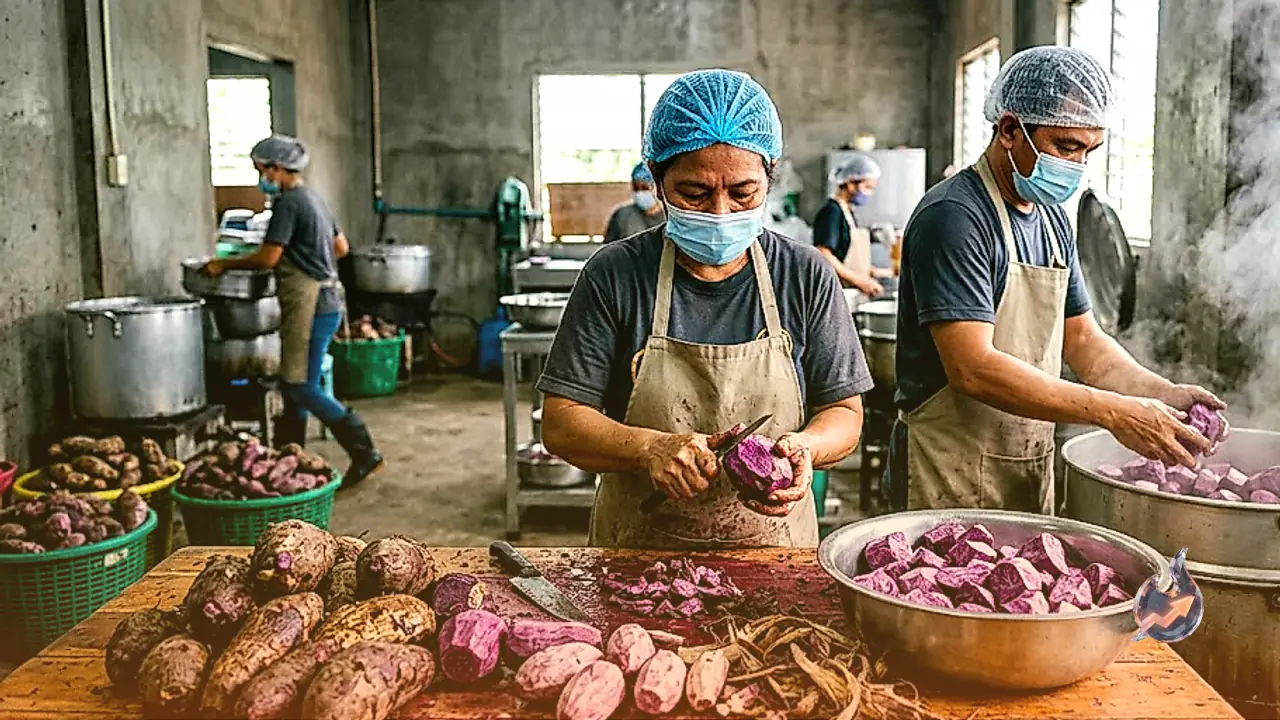
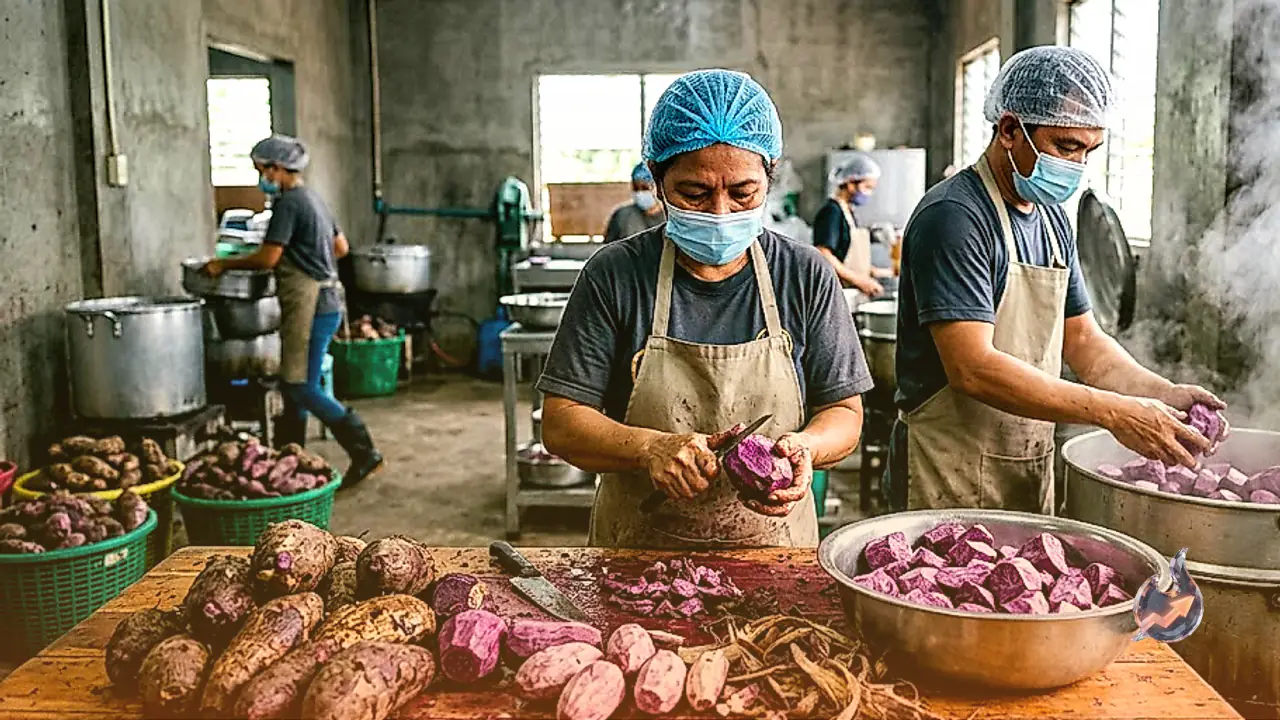
Ube is a variety of purple yam known botanically as Dioscorea alata. While consumers frequently confuse it with purple sweet potatoes due to visual similarities, they originate from entirely different plant species. Both tubers develop underground and share a starchy profile, but their botanical classifications, internal textures, and culinary characteristics set them distinctly apart.
Filipino cuisine has embraced ube for generations as an essential dessert staple. Traditional preparation involves boiling, steaming, or thoroughly mashing the tuber to form a smooth paste. It serves as the core ingredient in classic Filipino confections like ube halaya, while modern culinary creators integrate it into cakes, cookies, artisanal breads, creamy milkshakes, and specialty ice cream varieties across the globe.
Flavor Characteristics and the Science of Its Purple Hue
In terms of palate experience, ube delivers a profile noticeably different from standard potatoes or sweet potatoes. It features a gentle sweetness accompanied by a mellow, earthy undertone. Tasters often detect subtle nutty notes or faint hints of vanilla, though the exact flavor dimension varies based on the specific crop variety and the cooking technique utilized.
The defining trait of ube remains its radiant violet coloring, which is entirely organic. Plants with deep purple flesh naturally produce pigments known as anthocyanins, the identical compounds responsible for imparting rich blue, red, and purple shades across various fruits and botanicals. This natural pigmentation enables culinary items made with ube to display brilliant purple tones without requiring synthetic color additives.
Nutritional Value and Phytochemical Composition
As a dense starchy root, ube supplies complex carbohydrates along with dietary fiber, which supports healthy digestion when integrated into a balanced dietary pattern. Fiber from root vegetables helps maintain gastrointestinal function and general digestive well-being.
According to information outlined by the United States Department of Agriculture (USDA), purple tuber varieties contain notable quantities of anthocyanins alongside other beneficial phytochemicals, including phenolic acids. These botanical compounds demonstrate antioxidant activity in scientific contexts, where researchers examine their influence on oxidative stress mechanisms. Nevertheless, nutritional specialists emphasize that no single whole food functions as an outright remedy or singular guarantee against chronic health conditions.
Surging Appeal Across Modern Bakeries and Desserts
With culinary trends leaning heavily toward natural, plant-based coloring and distinctive world flavors, ube has emerged as an ideal baking ingredient. Its ability to impart rich color and a subtle sweet flavor simultaneously has made it a celebrated addition to contemporary bakeries, specialty cafes, and pastry kitchens looking for authentic, photo-ready creations.