




















For generations of children, blending a spoonful of Bournvita into warm milk has been a cherished morning ritual. In Karauli, Rajasthan, that nostalgic beverage flavor has been transformed into a distinct confectionery item that surprises and delights visitors. A local sweet establishment has been crafting a signature Bournvita-flavored barfi for roughly twenty years, turning an unconventional dessert idea into a celebrated culinary staple that holds particular appeal for younger customers.
A Signature Recipe Perfected Over Twenty Years at Bikaner Sweet Home
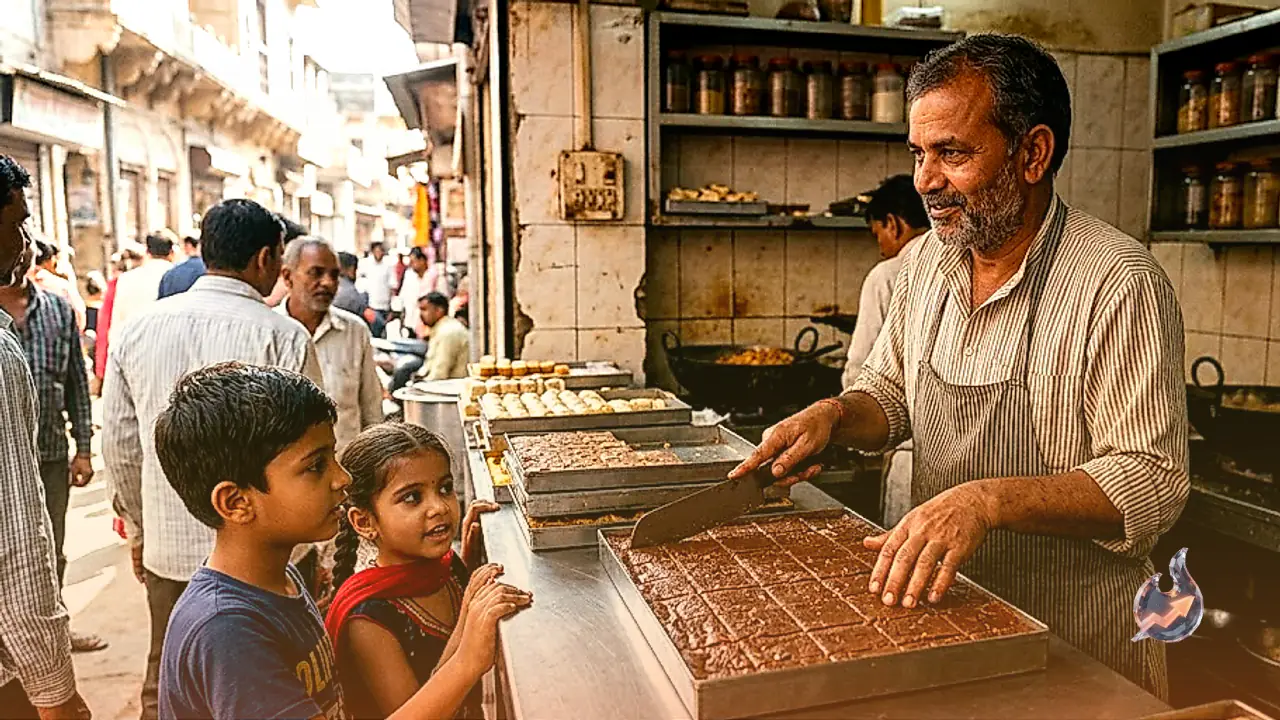
Crafted at Bikaner Sweet Home in Karauli, this confectionery stands apart from typical regional sweets. Shop operator Narpat Singh explains that his establishment has been producing this specialty barfi continuously for around 20 years. From the moment it was first introduced on the counter, local patrons embraced the novel flavor profile, gradually turning the preparation into the signature calling card of the sweet shop. The kitchen relies on a dedicated, specialized recipe to consistently capture the intended taste balance.
Wholesome Ingredients Combined with Daily Fresh Preparation
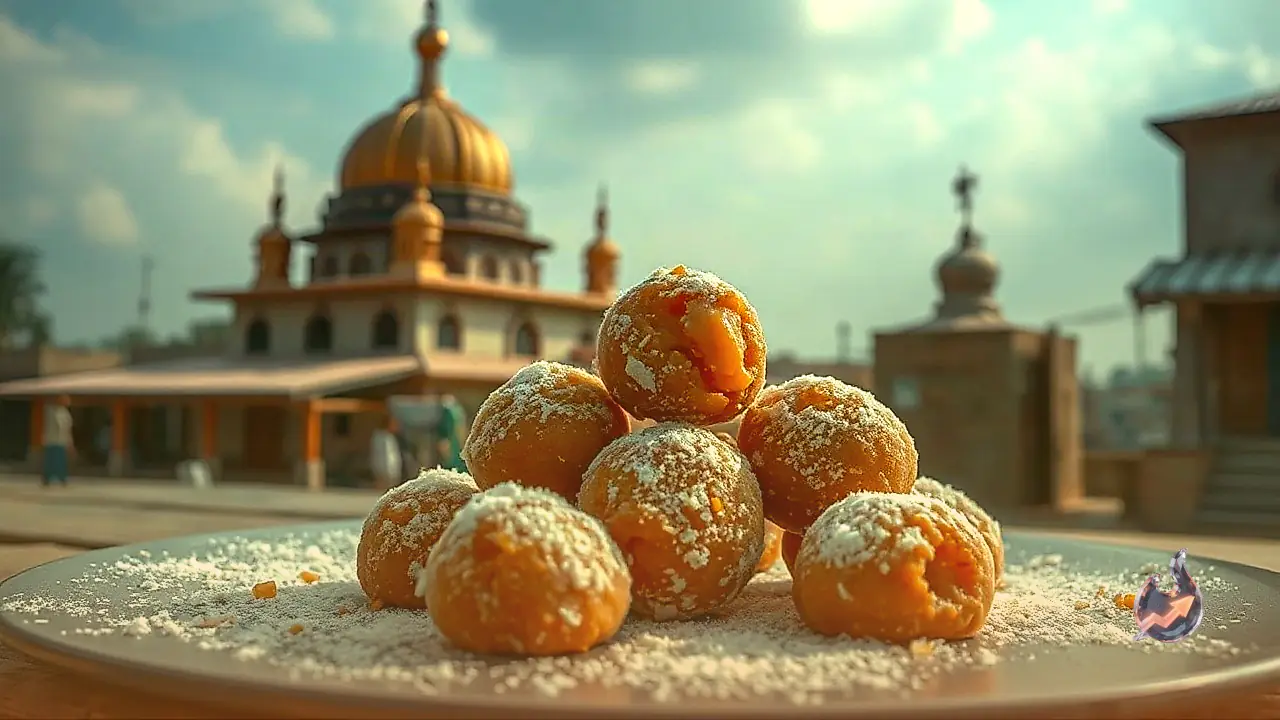
To produce the rich texture of the barfi, the sweet makers use a blend of conventional dairy ingredients alongside the malted food drink base. Narpat Singh notes that the recipe calls for pure ghee, fresh milk, milk powder, and traditional mawa. The resulting square retains the density of classic milk fudge while carrying the familiar chocolaty notes of malt. A defining quality of the dessert is its freshness, as each batch is prepared from scratch every single day rather than preserved for extended shelf display.
A Consistent Favorite Among Visiting Families and Children
The popularity of this dessert is especially noticeable whenever families step inside the shop. Narpat Singh points out that children visiting with their parents routinely bypass standard regional sweets to specifically ask for the Bournvita barfi. The comforting, familiar flavor gives youngsters a fun and relatable sweet-eating experience. Beyond young children, many longtime adult patrons who grew up enjoying the treat still make a point to purchase boxes whenever traveling through Karauli.
Daily Production Yields Up to 10 Kilograms at 480 Rupees Per Kilo
Demand for the unique confection matches daily kitchen capacity, with the shop preparing between 8 and 10 kilograms of the barfi each day. Because daily production closely mirrors consumption, the stock regularly sells out before the close of business, ensuring that visitors consistently purchase freshly turned batches. Currently priced at 480 rupees per kilogram, the barfi attracts buyers from both within Karauli and neighboring areas, cementing its position as a distinctive fixture of local gastronomy after nearly two decades of continuous production.