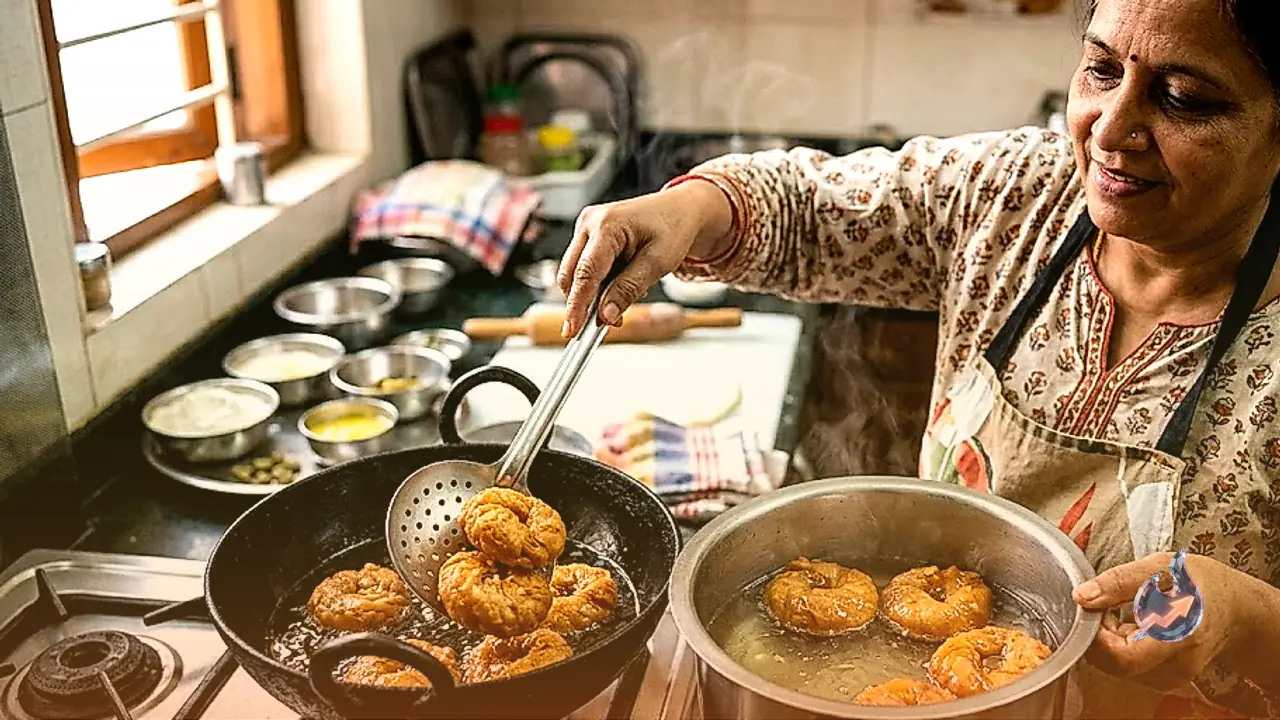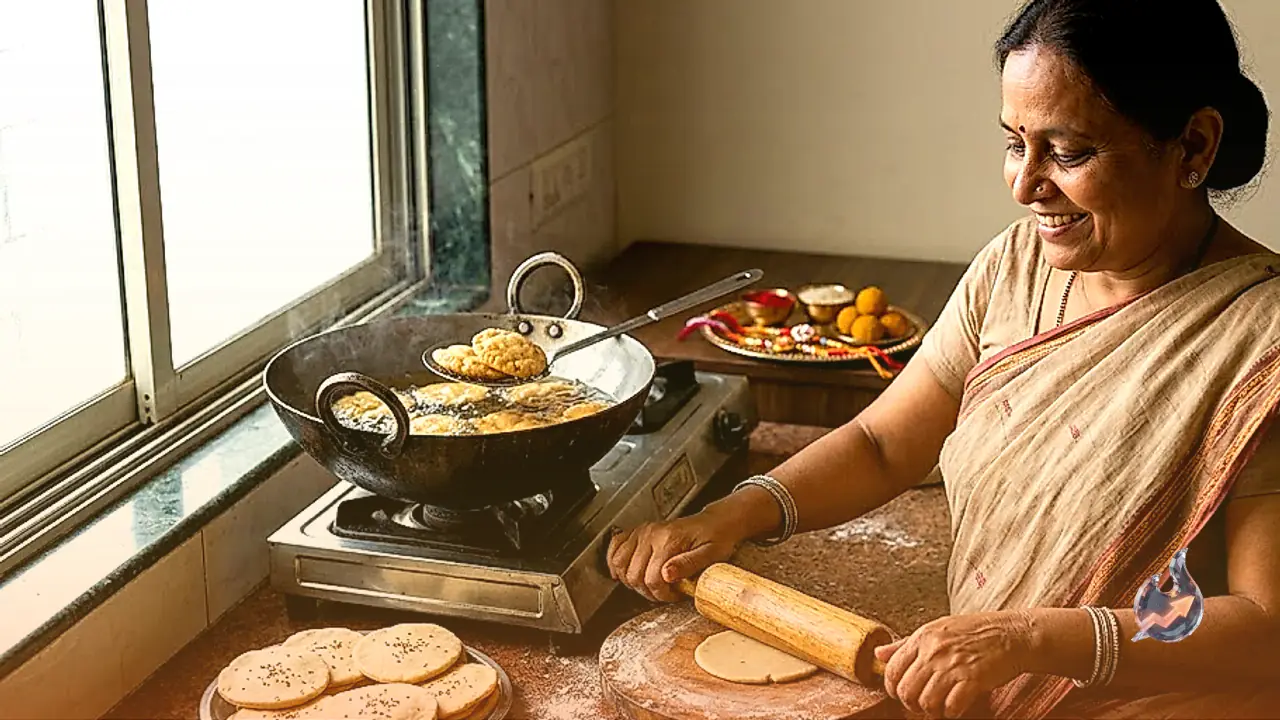

























Freshly fried samosas, pakodas, cutlets, and kachoris bring an inviting aroma into any kitchen. Whether accompanying evening tea or satisfying rainy day cravings, deep fried snacks remain a timeless favorite. However, the pleasure of cooking often diminishes when the food comes out dripping in excess oil. A snack that appears crispy on the outside can end up heavy, soggy, and unpleasantly greasy on the inside. Many assume that deep frying simply involves heating oil in a pan and dropping ingredients in. In reality, deep frying is a precise culinary method where oil temperature, ingredient moisture, pan capacity, and utensil selection directly dictate the final quality. Famous chef Sanjeev Kapoor outlines ten essential guidelines to refine home frying techniques and achieve light, crispy snacks without unwanted oil retention.
Selecting the Right Oil and Balancing Heat
Choosing cooking oil with a neutral flavor profile is the first crucial step in successful deep frying. Oils without an overwhelming aroma allow the natural flavors of vegetables, lentils, and spices to shine through without distraction. It is important to align oil selection with your cooking needs and personal dietary preferences. Furthermore, reusing frying oil multiple times should be strictly avoided. Repeatedly heated oil breaks down structurally, producing unhealthy compounds while imparting a stale taste and causing snacks to absorb more grease.
Temperature misjudgments represent the most frequent error during deep frying. Placing snacks into underheated oil causes the batter to act like a sponge, absorbing significant amounts of grease before cooking begins. Conversely, dropping food into excessively hot oil scorches the exterior rapidly while leaving the center doughy and raw. Maintaining a steady medium-to-high flame ensures balanced heat distribution, cooking the snack uniformly from exterior to core.
Managing Moisture and Testing Oil Readiness
Any ingredients washed or soaked prior to frying, such as potatoes, vegetables, or cottage cheese, must be dried thoroughly before entering the hot pan. Moisture contacting hot oil causes violent splattering, presenting serious risks of burns to the face and hands. Prioritizing kitchen safety by wiping food dry prevents splatter accidents while improving batter adhesion.
Verifying oil temperature before adding a full batch prevents cooking failures. Testing involves dropping a small speck of batter into the pan. If the batter sinks slightly and then floats upward while forming gentle, steady bubbles, the oil has reached proper frying temperature. Instant darkening or aggressive bubbling signals excessive heat, indicating that the flame must be reduced immediately.
Optimizing Batch Sizes and Flipping Techniques
Crowding the frying pan in an attempt to finish quickly is a counterproductive habit. Adding too many items at once causes a sudden drop in oil temperature. As the oil cools down, the cooking process slows, forcing the snacks to absorb excess grease instead of searing quickly. Frying in smaller, controlled batches maintains consistent heat levels and ensures a crispy texture.
Constantly agitating or turning snacks every few seconds disrupts the formation of a solid outer crust. Frequent movement can tear the delicate batter, allowing oil to penetrate the interior. Cooks should allow one side to set completely and achieve a light golden shade before turning the piece over. Patience during frying preserves structural integrity and crispness.
Clearing Loose Coating and Using Slotted Spoons
When preparing breaded snacks like cutlets or nuggets, excess breadcrumbs should be gently shaken off prior to frying. Loose crumbs detach in hot oil, settle at the bottom of the pan, and burn rapidly. Burnt debris discolors the oil and adheres to subsequent batches, ruining the visual appeal and imparting a bitter, smoky flavor.
Utilizing a slotted spoon or spider strainer is essential when lifting fried items from the oil. The open mesh or perforations allow trapped oil to drain directly back into the pan before the food reaches the serving plate. This mechanical separation reduces residual surface oil far better than standard solid spoons.
Skimming Burnt Debris and Ensuring Uniform Cuts
Small fragments of onions, herbs, spices, or loose batter inevitably break off during the frying process. Floating in the hot oil, these tiny pieces scorch over time. Skimming the oil periodically with a fine slotted strainer removes these burnt specks, maintaining oil clarity and preventing flavor contamination across multiple batches.
Cutting vegetables and preparing snack portions into uniform sizes streamlines heat absorption. When pieces vary significantly in size, smaller fragments overcook or burn while larger portions remain raw in the middle. Uniformly sized items cook at an identical pace, producing evenly browned, perfectly cooked snacks across every batch.