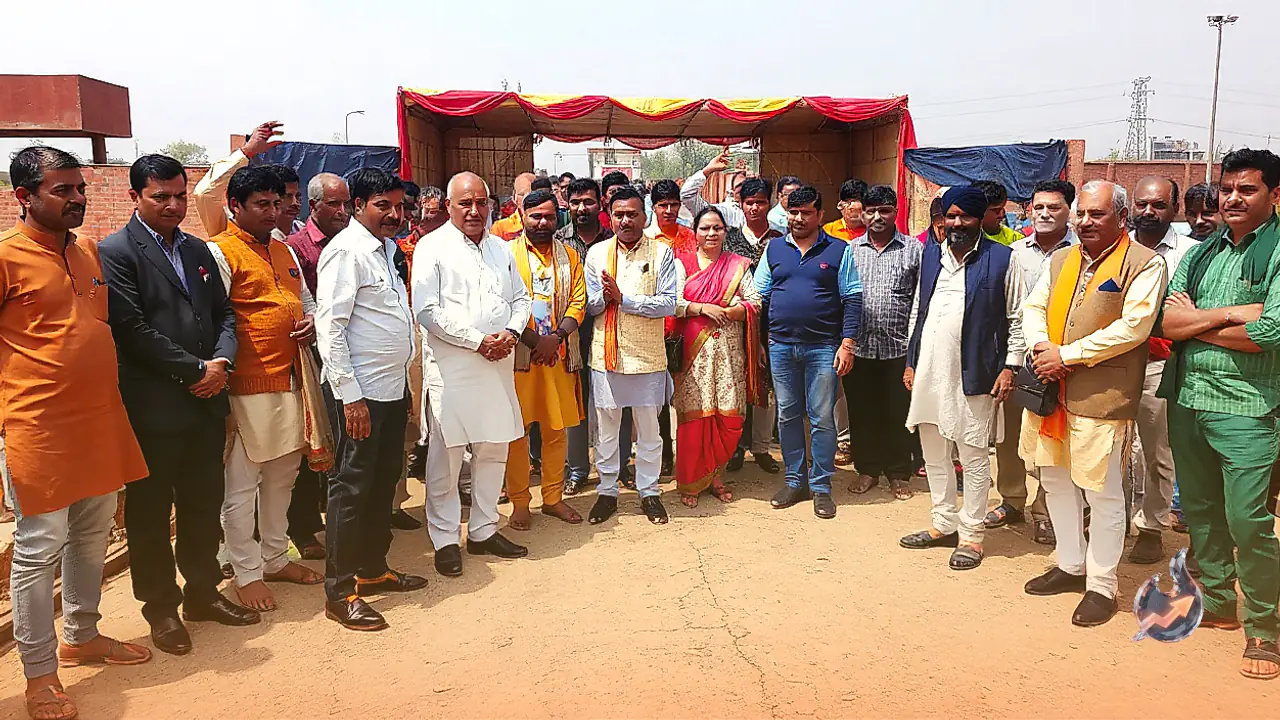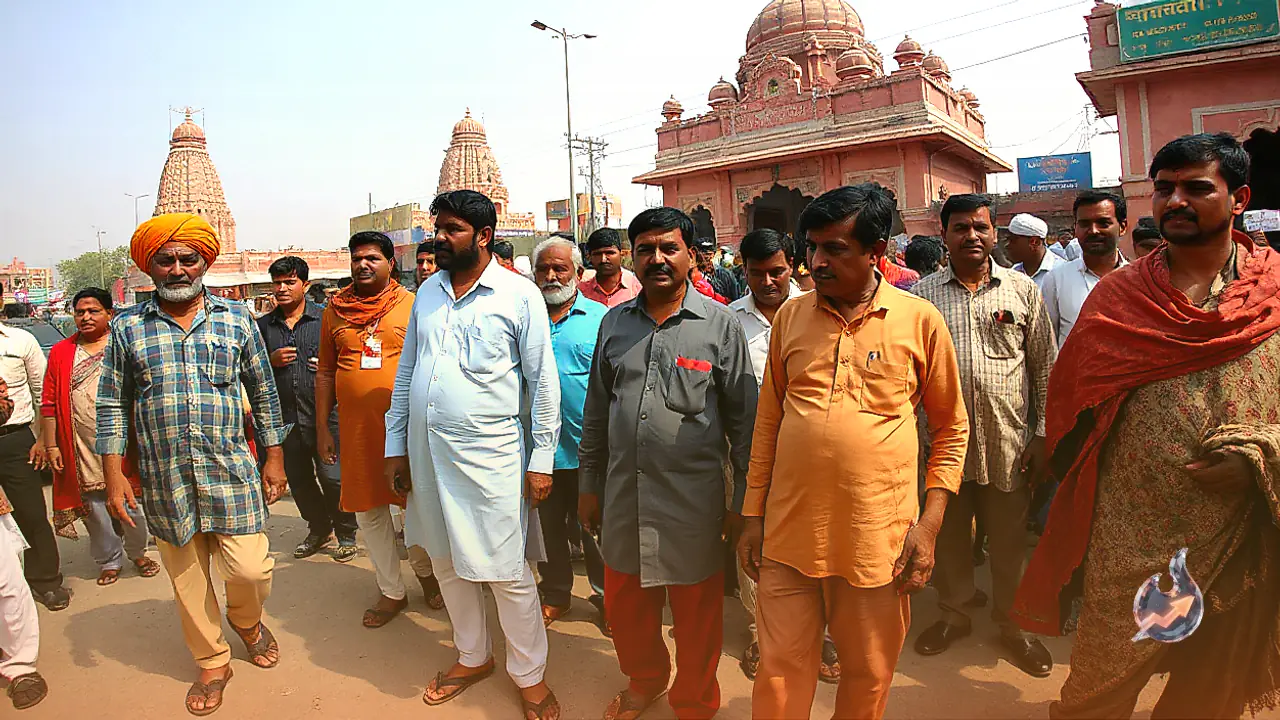

















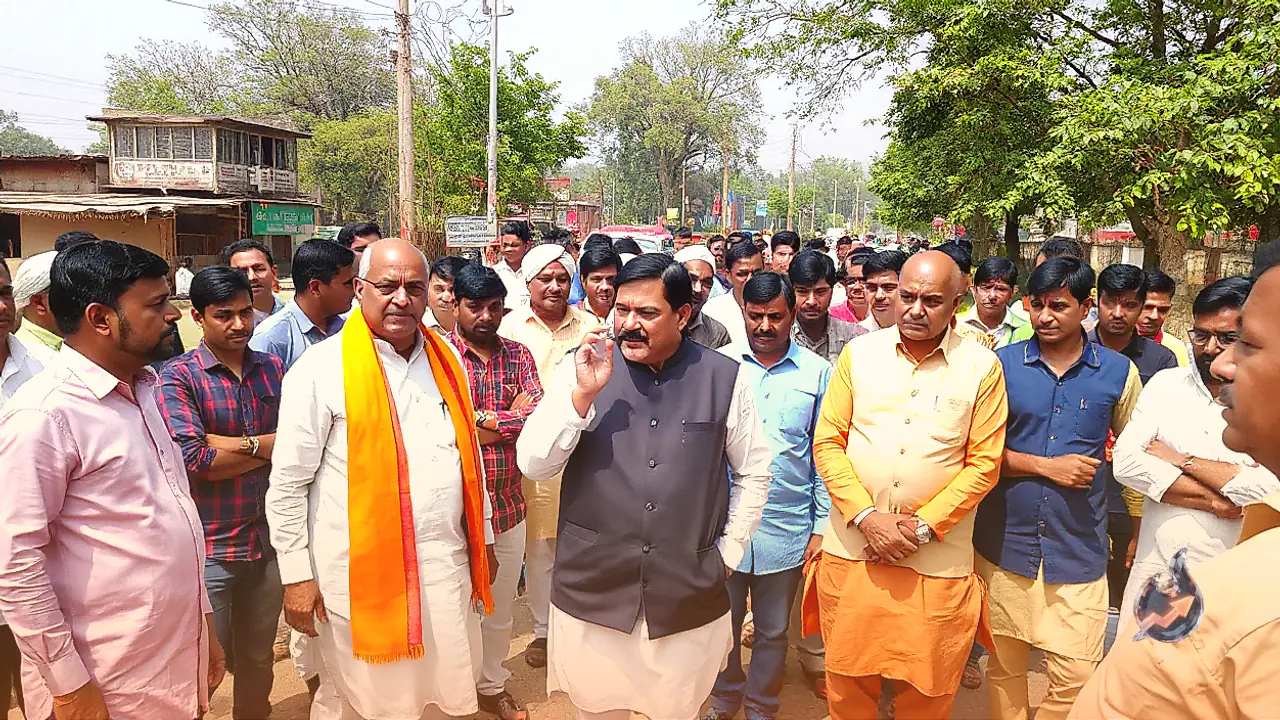

Political rhetoric in Uttar Pradesh is escalating swiftly ahead of the forthcoming assembly elections, with prominent figures across party lines engaging in fierce exchanges. In this intensifying atmosphere, Bahujan Samaj Party national coordinator Akash Anand addressed a public rally at Sorana in Saharanpur, launching a direct offensive against the state's main political players. Anand, the nephew of BSP chief and former Uttar Pradesh chief minister Mayawati, challenged the political direction of Samajwadi Party president Akhilesh Yadav while labelling his outfit an auxiliary unit of the Bharatiya Janata Party. Speaking before the gathering, he laid out allegations concerning covert political understandings and highlighted systemic governance failures under the current administration.
Questions Over Samajwadi Party's Direction and PDA Platform
Focusing his criticism on Akhilesh Yadav, Akash Anand argued that the Samajwadi Party functions without any coherent political ideology or enduring strategy. He noted that Yadav frequently alters his political posturing around the PDA (backwards, Dalits, and minorities) slogan depending on immediate convenience. According to Anand, the SP leadership shifts stance unpredictably between various community groups, demonstrating a lack of genuine commitment toward the structured upliftment of historically marginalized and backward classes.
Allegations of Covert Ties Between SP and BJP
The BSP coordinator contended that the Samajwadi Party maintains an unspoken coordination with the ruling party. To substantiate this point, he referenced historical legislative election arrangements involving corporate figures.
"Samajwadi Party gave a Rajya Sabha ticket to Dhanraj Nathwani, son of BJP Rajya Sabha member Parimal Nathwani, and he won."
He further cited remarks made by Prime Minister Narendra Modi, who had publicly described Akhilesh Yadav as a personal friend and acknowledged that Yadav extends support whenever required. Anand stated that such mutual accommodations demonstrate the existence of an unacknowledged working relationship between the two parties.
Critique of Governance, Double Engine Claims, and Crime Records
Addressing the state's law-and-order claims, the BSP leader questioned the reality behind official publicity campaigns. He noted ironically that an administration operating with a touted double engine setup naturally demands and consumes far greater resources. While the administration highlights its decisive posture and encounter-driven approach, Anand pointed out that official records and statistics present a starkly conflicting portrait of public safety.
He noted that over the past decade, Uttar Pradesh has ranked first nationwide in registered murder cases, alongside reporting the highest incidence of atrocities committed against women. Based on these figures, Anand asserted that real protection for citizens has remained missing, alleging that the prevailing situation across both Samajwadi Party and BJP regimes mirrors identical conditions of misrule and lawlessness.
Paper Leaks, Employment Crisis, and Marginalized Youth
Turning to employment concerns, the BSP national coordinator raised the recurrent failure to maintain integrity in public competitive examinations. He pointed out that question papers for major national evaluations, including the National Eligibility cum Entrance Test (NEET), continue to get leaked, exposing systemic negligence.
Anand argued that the state lacks the willingness to allocate adequate resources toward securing these examinations because leak-free assessments would compel the government to complete recruitments and disburse jobs. He emphasized that the majority of candidates preparing and applying for public service openings hail from Bahujan and vulnerable backgrounds. Frequent examination cancellations and integrity failures, he stated, systematically prevent youth from these communities from securing steady employment and attaining economic independence.
Closure of Schools and Government Spending on Publicity
Examining educational infrastructure over the preceding ten years, Anand highlighted severe declines in foundational public schooling. He stated that rather than inaugurating new educational institutions across Uttar Pradesh, the authorities have shuttered more than 25,000 existing schools.
He remarked that prominent slogans celebrating national literacy and progress function primarily as official propaganda rather than reflecting genuine institutional growth. Anand also alleged that the state machinery has expended more than seven thousand crore rupees from taxpayer funds on media campaigns to promote images of a developed and secure state. He concluded that this massive outlay was deployed primarily to conceal structural shortfalls and unfulfilled developmental commitments.