

















Festive occasions and family celebrations are incomplete without an abundance of sweets, and as holidays approach, local sweet shops become heavily crowded. While people often purchase various treats, traditional items like mawa peda always hold a special place among dessert lovers. Their mildly grainy texture, rich dairy aroma, and melt-in-the-mouth consistency make them truly exceptional. Many people wrongly assume that making sweet shop-style pedas requires extensive ingredients and hours of tedious labor, but that is far from the truth. With good quality mawa available, delicious pedas can be prepared at home using just a few basic items without needing any complicated sugar syrup.
Success lies in roasting the mawa correctly, maintaining the right proportion of sugar, and shaping the mixture at the optimal time. With a little bit of care, homemade pedas can easily rival the taste of commercial sweets and can be prepared for any family gathering or celebration. The following guide details the simple recipe and essential tips needed to achieve the best flavor and texture for your homemade festival treats.
Essential Ingredients For Mawa Peda
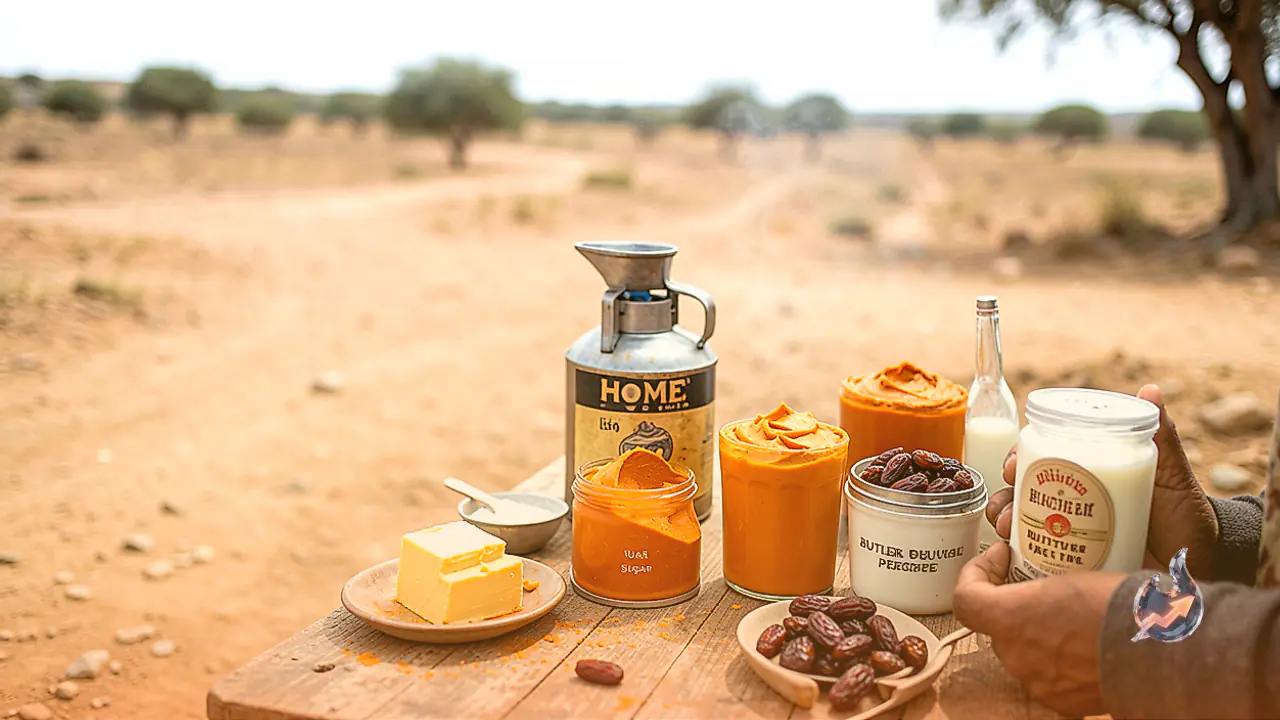
Making mawa pedas at home does not require an extensive grocery list. You will need 500 grams of fresh mawa or khoya, approximately 100 to 125 grams of powdered sugar, half a small spoon of cardamom powder, and one small spoon of ghee. Finely chopped pistachios or almonds can be used for garnishing the pedas. If you prefer a yellowish tint, a few strands of saffron can also be added, though the pedas taste equally delicious without it. Sugar quantity can be adjusted slightly according to personal taste preferences, provided the mawa is fresh and completely free from any sour or stale odor.
Preparing The Mawa Properly Beforehand
Begin the process by transferring the mawa onto a large plate. If the khoya was stored in a refrigerator, allow it to come to room temperature first so it breaks apart easily. Mash it thoroughly with your hands or grate it into fine particles. This ensures that the mawa heats evenly in the cooking pan and prevents large lumps from forming. If the khoya is already soft, it can be used directly, ensuring an even distribution throughout the final sweet mixture.
Roasting On Low Heat For The Best Flavor
Place a heavy-bottomed pan on the stove and add a small amount of ghee. Once the ghee warms up slightly, add the mawa and begin roasting it over a low flame while stirring continuously to prevent sticking or burning. After a short while, the mawa will soften and release a rich dairy aroma, while excess moisture gradually evaporates. If you prefer lighter-colored pedas, avoid browning the mawa too much, whereas a golden hue can be achieved by roasting it a bit longer. High heat will quickly burn the mawa and ruin the entire flavor profile.
Crucial Tips While Adding Sugar
Once the mawa is thoroughly roasted, turn off the heat and let the mixture cool down for a brief period. The temperature should be comfortable to touch while keeping the mixture from hardening completely. Mix in the powdered sugar and cardamom powder evenly so the sweetness distributes uniformly across the khoya. Adding sugar to piping hot mawa will melt it excessively and make the mixture too soft to shape properly. Letting the temperature drop slightly makes the shaping process much easier.
Simple Technique For Shaping Pedas
When the mawa and sugar combination is fully ready, grease your hands lightly with a little ghee. Take a small portion of the mixture, roll it between your palms, and press it gently to form the traditional peda shape. Repeat the process for the remaining mixture. You can press your thumb slightly in the center of each peda to give it an authentic traditional look. If the mixture feels too soft, let it cool further, or if it feels too dry, mix in a tiny amount of soft mawa to fix the consistency.
Garnishing With Pistachios And Almonds
After shaping the pedas, adorn them with finely chopped pistachios and almonds. You can press a small piece of pistachio directly into the center of each piece to enhance visual appeal. If saffron is desired, soak a few strands in a tiny amount of warm milk and incorporate it during the roasting phase. Allow the finished pedas to rest on a plate for a while so they set completely before serving them to your guests.
The Secret To Grainy Sweet Shop Texture
The texture of a mawa peda demands the highest attention during preparation. Homemade pedas often turn out excessively sticky or hard due to high residual moisture, over-roasting, or adding sugar while the mixture is too hot. Achieving a mildly grainy texture requires good quality khoya roasted patiently over a low flame without drying it out completely, ensuring a delightful treat every single time.