
























Dahi vada stands as one of the most cherished delicacies across Indian households and street food hubs alike. While many people frequently indulge in the soft, chilled, and tangy street-style preparation outside, replicating that identical texture and flavour in a home kitchen is entirely feasible with a few practical techniques. Preparing this traditional dish at home requires neither complicated kitchen tools nor excessive expenditure. The entire preparation relies on accessible kitchen staples, notably whole or split urad dal, fresh thick yogurt, roasted cumin powder, red chilli powder, chaat masala, regular salt, and the essential ingredients required to prepare sweet and tangy green chutneys.
Soaking the Lentils and Aerating the Batter
The foundational phase of crafting authentic dahi vada lies in the handling of the primary lentil. According to recipe expert Om Soni, the first crucial step involves soaking urad dal in water for roughly 5 to 6 hours before cooking begins. This prolonged soaking ensures that the lentils soften thoroughly, allowing them to grind smoothly in a mixer without requiring excess liquid. While grinding, only minimal water should be added to keep the batter thick and structured. Once ground into a fine paste, transfer the mixture into a broad bowl and whisk it vigorously. Whisking incorporates air into the batter, which is the primary secret behind achieving light, airy, and exceptionally soft vadas rather than dense dumplings.
Frying Techniques and Soaking in Warm Asafoetida Water
Once the batter reaches the desired consistency, heat adequate cooking oil in a deep frying pan or kadhai. Drop small portions of the whipped batter into the hot oil and fry them gently until they turn light golden brown. Maintaining steady oil temperature is essential to allow the dumplings to cook evenly through their core without scorching the exterior. As soon as the vadas turn golden, remove them from the oil and transfer them immediately into a bowl of warm water infused with asafoetida. Keep them submerged in this warm asafoetida water for approximately 10 minutes. This step softens the outer crust and draws out excess surface oil. After 10 minutes, gently press each vada between your palms to drain the excess liquid without breaking the delicate structure.
Whisking the Yogurt and Layering the Seasonings
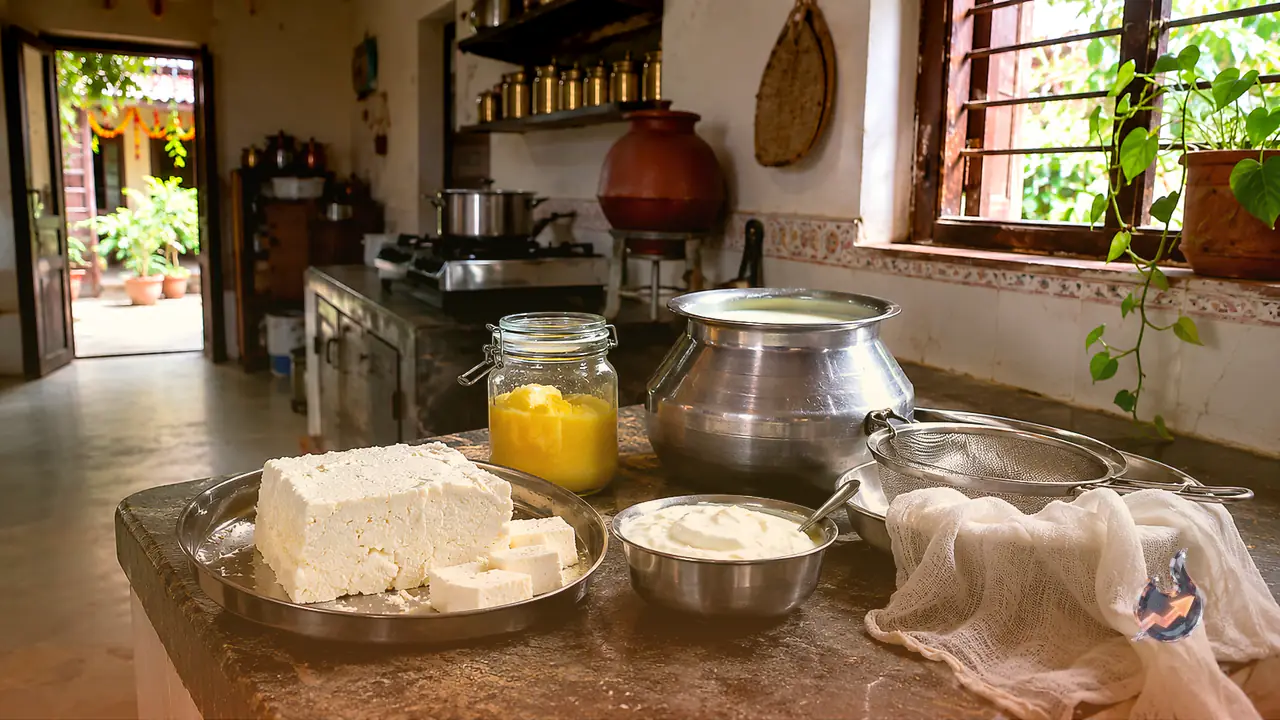
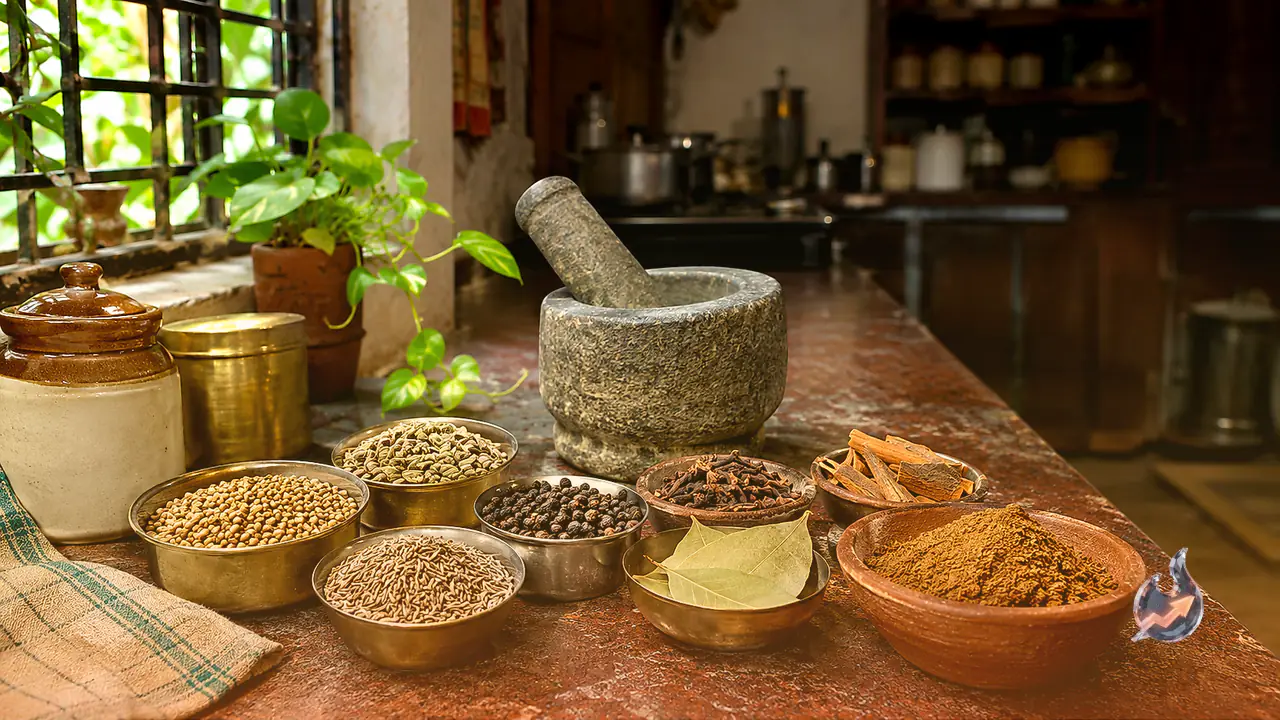
After squeezing out the water, prepare the curd base. Take fresh, sweet yogurt in a separate large container and whisk it thoroughly until it transforms into a silky, lump-free consistency. Place the softened, drained vadas directly into this whipped yogurt, ensuring each piece is fully coated and submerged. To complete the seasoning, sprinkle regular salt, roasted cumin powder, red chilli powder, and chaat masala evenly over the surface. The vadas will absorb the chilled, seasoned yogurt, infusing flavor deep into their interior.
Elevating Flavor with Fresh Sweet and Spicy Chutneys
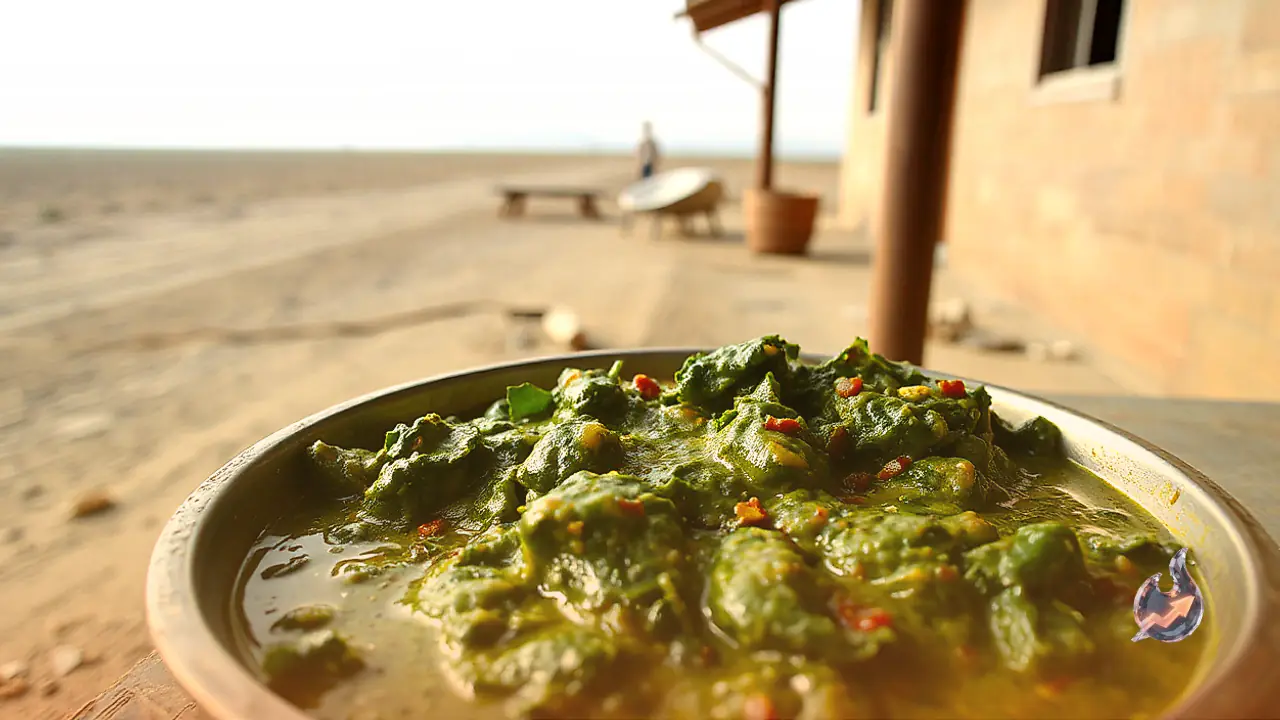
The overall experience of enjoying dahi vada is tied directly to the accompanying condiments. A rich sweet chutney prepared with jaggery adds an essential sweet note. Alongside it, a zesty green chutney made by blending fresh tomatoes, coriander leaves, and green chillies provides the necessary heat and tanginess. Drizzling both the sweet jaggery chutney and spicy green chutney generously over the yogurt-drenched dumplings brings together contrasting flavors. Following these measured techniques allows any home cook to serve authentic, market-style dahi vada for the entire family without unnecessary complexity.