





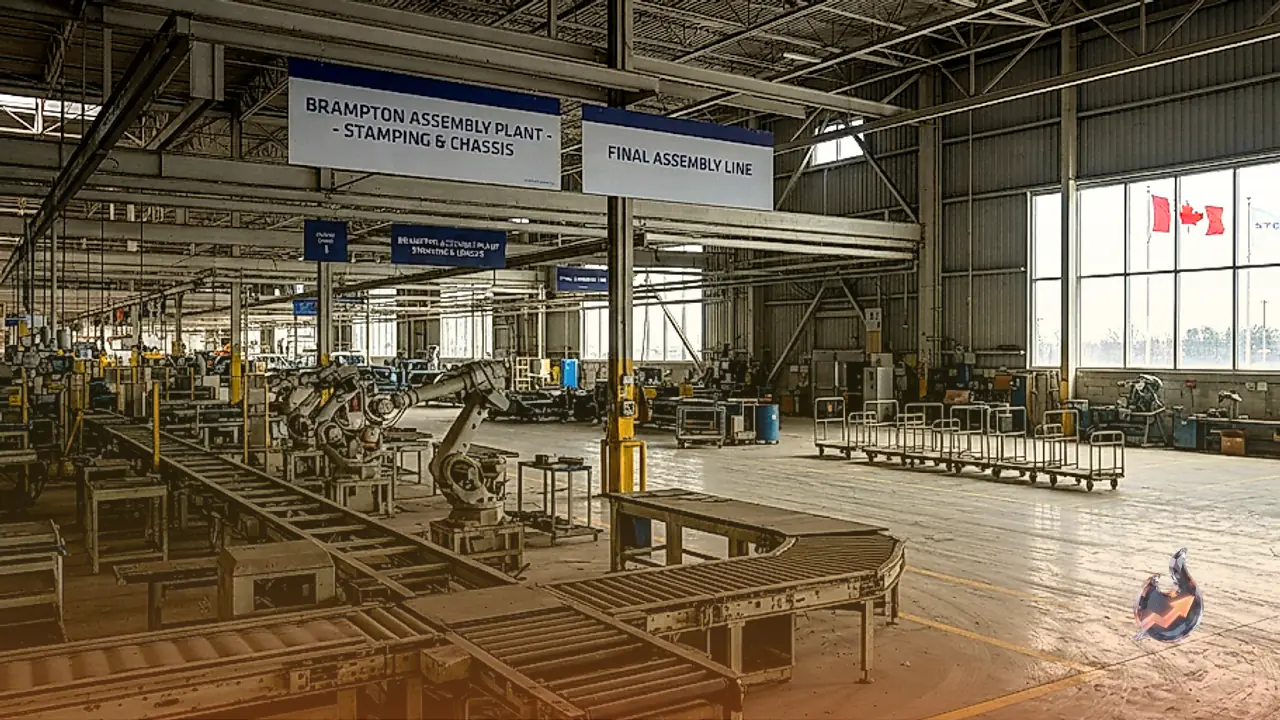














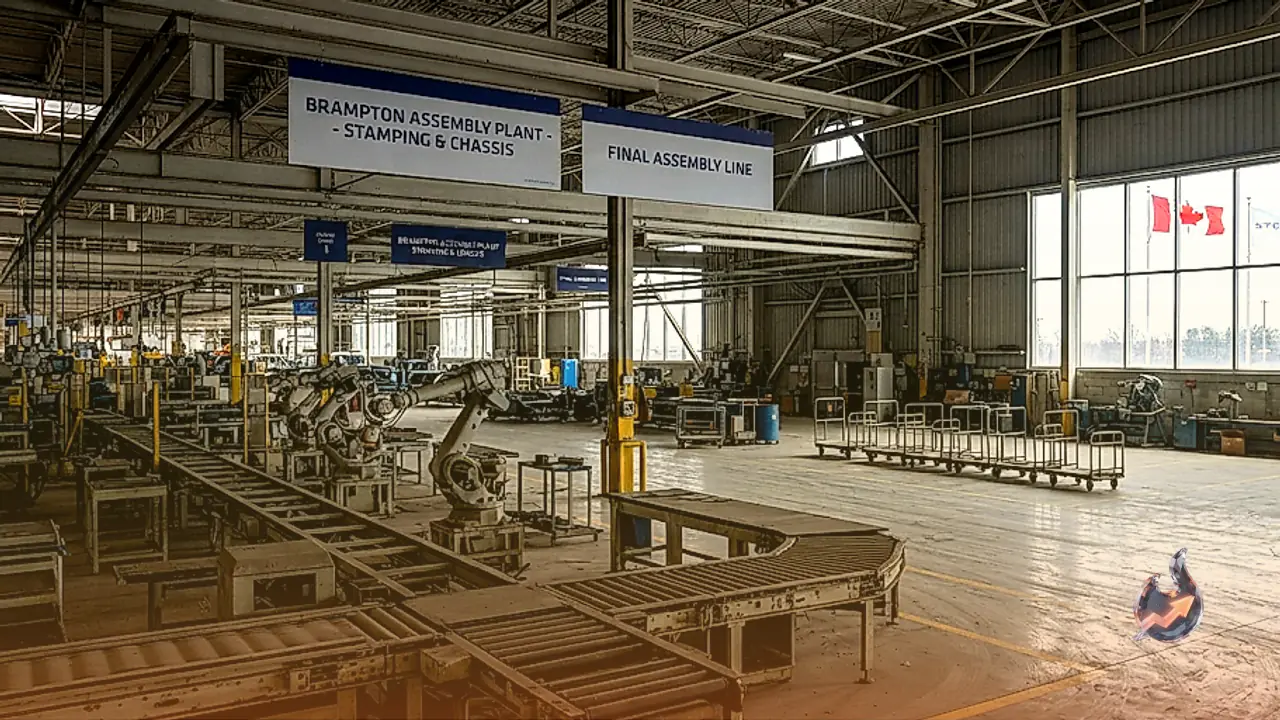

Canada's federal government has moved toward formal legal action against automotive giant Stellantis after the automaker transferred scheduled vehicle assembly operations to the United States and finalized an agreement to sell its Brampton, Ontario manufacturing facility. Industry Minister Mélanie Joly confirmed that Ottawa is aggressively pursuing the recovery of hundreds of millions of dollars in taxpayer-backed subsidies previously committed to the venture. The escalating confrontation arrives against the backdrop of an expanding trade conflict and intense tariff pressure exerted by President Donald Trump.
Ottawa Issues Formal Notice of Default
Speaking to journalists in Toronto, Industry Minister Mélanie Joly revealed that federal authorities issued an official notice alleging clear breaches of the bilateral funding agreement. The regulatory directive grants the automaker a strict 30-day window to rectify the contested defaults. Joly warned that failure to comply would trigger immediate litigation, emphasizing that the automaker is on the hook for hundreds of millions of dollars in outstanding financial commitments made under government programs.
Tariff Escalation and Retooling Commitments
The punitive tariff measures introduced by President Donald Trump have exacerbated existing strains across Canada's domestic automotive manufacturing sector, which functions in tight integration with cross-border American supply chains. Trump has repeatedly pressured major vehicle manufacturers to relocate production and assembly pipelines back into the United States. Back in 2022, the Canadian government had pledged as much as 529 million Canadian dollars (380 million US dollars) to help Stellantis modernize and retool both its Brampton and Windsor manufacturing hubs for next-generation electric vehicle assembly.
Production Relocation Leaves Over 2,000 Workers Displaced
Stellantis, which currently ranks as the world's fourth-largest automaker, discarded its strategic roadmap to assemble the Jeep Compass at the Ontario facility. Instead, corporate leadership transferred that manufacturing line directly to Illinois, abruptly displacing more than 2,000 Canadian autoworkers. Prime Minister Mark Carney characterized the corporation's withdrawal as a direct betrayal of the domestic workforce, stating firmly that offloading the assembly site does not absolve Stellantis of its contractual and financial obligations under signed agreements.
Facility Divestment to Roshel and Repayment Talks
Stellantis publicly stated on Monday that it had entered into a binding agreement to sell the Brampton complex to Roshel, a prominent Canadian manufacturer of specialized armoured vehicles. While the automotive conglomerate indicated that it offered to return government subsidies previously disbursed for development work at the Brampton site, it refrained from disclosing the exact dollar figure under discussion. Requests for further clarification directed to company representatives went unanswered.
Union Stalemate and Reversal Obstacles
Industry Minister Mélanie Joly indicated that federal and Ontario provincial authorities intend to conduct direct discussions with Stellantis' global chief executive. However, Unifor President Lana Payne noted that an earlier quadrilateral consultation held on Thursday between corporate executives, union representatives, and federal and provincial governments yielded no breakthrough. Payne pointed out that the optimal window to block the transaction had already elapsed, noting that reversing an already finalized commercial transaction presents substantial legal and logistical hurdles.
Strategic Economic Footprint of the Automotive Sector
Automotive manufacturing represents Canada's second-largest export vertical and serves as a fundamental employment driver for the broader economy. Prime Minister Mark Carney underscored the sector's vast reach, noting that it directly sustains 125,000 Canadian jobs and indirectly underpins roughly 500,000 additional livelihoods across affiliated industrial networks. The current legal confrontation hinges squarely on whether corporate management satisfied the statutory benchmarks tied to public funding, with Ottawa preparing to execute its next regulatory steps once the 30-day ultimatum expires.