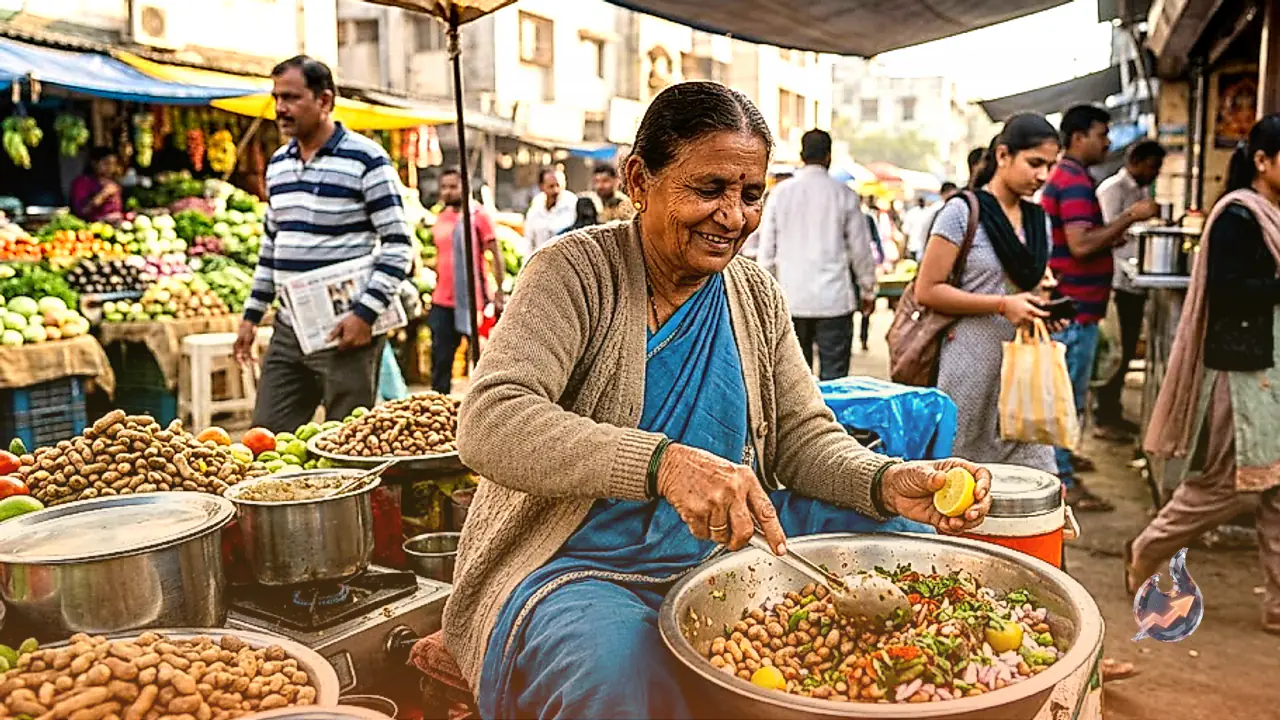





















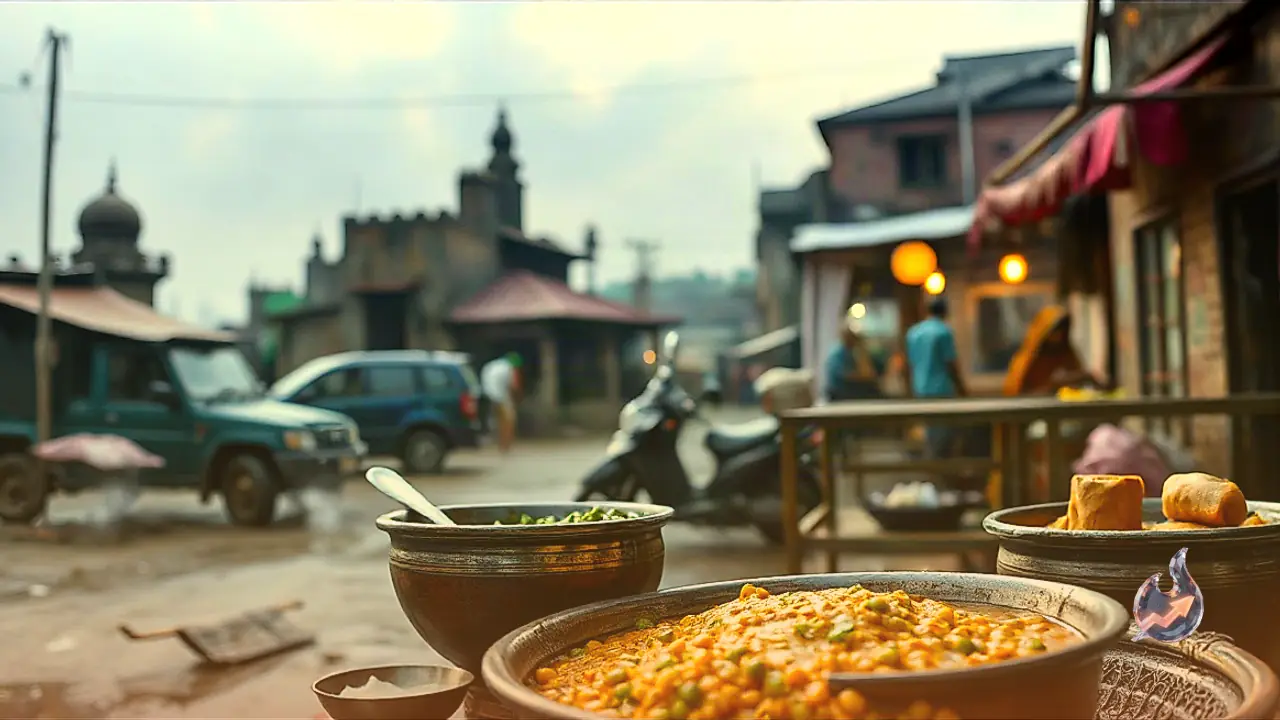

Jharkhand's culinary culture is widely appreciated for its unpretentious preparation and deep regional flavours. Traditional recipes from the state rely on balanced spice combinations that satisfy the palate without feeling overly heavy. A prominent example of this food heritage is Jharkhand-style matar ghugni, a seasoned dried peas preparation that can be easily put together in any home kitchen with everyday pantry ingredients. Ideal as both a morning breakfast and a late afternoon snack, cooking expert Rikti Sharma points out that preparing the dish with the right timing and balance creates an exceptionally delicious result.
Preparation and Boiling of Dried Peas
The cooking process begins with selecting dried peas and preparing them properly before they hit the flame. First, wash the dried peas thoroughly in clean water to rinse away any surface dust or impurities. Transfer the washed peas into a deep bowl, cover them with plenty of fresh water, and leave them to soak for several hours. When using dried peas, sufficient soaking time is necessary to allow them to swell completely, which cuts down pressure-cooking time and ensures that the texture cooks evenly rather than remaining hard at the core.
Once the peas have expanded adequately, move them into a pressure cooker. Add water as required along with a pinch of salt. Place the cooker over medium heat and allow it to cook for about 3 to 4 whistles. The objective is to soften the peas enough so that they are tender and chewable, yet firm enough not to disintegrate into a paste. Once cooked to this ideal consistency, set the boiled peas aside and begin making the aromatic spice base.
Tempering with Mustard Oil and Traditional Spices
The distinctive character of Jharkhand-style ghugni comes from tempering whole spices in mustard oil. Pour mustard oil into a pan or kadhai and bring it to a medium smoke so its raw pungency softens. When hot, drop in cumin seeds, whole dried red chillies, and a pinch of asafoetida. As the seeds crackle and release their aroma, tip in finely chopped onions. Sauté the onions over medium heat until they turn evenly golden brown.
Next, stir in ginger-garlic paste and cook for a brief period to remove any raw taste. Add finely chopped tomatoes and let them cook gently until they soften completely and start breaking down into the oil. At this stage, blend in ground turmeric, coriander powder, red chilli powder, and salt according to taste. Cook the entire spice mixture patiently on a low to medium flame. Thorough cooking of these spices is crucial because the richness and depth of the ghugni rely heavily on this well-roasted foundation.
Simmering the Peas to Infuse Flavours
Once the spice base begins releasing oil around the edges, tip the boiled peas into the pan. Stir gently to coat every grain of pea with the spiced masala. Depending on the desired consistency, pour in a little water if the mix looks too thick. Cover the pan and let everything simmer on medium heat for about 5 to 7 minutes, which allows the concentrated spices to penetrate deeply into the tender peas.
Before turning off the stove, sprinkle garam masala across the surface. To bring in a tangy touch, a dash of dried mango powder or a squeeze of fresh lemon juice can be added to the dish. Garnish with freshly chopped coriander leaves and take the pan off the heat. According to Rikti Sharma, anyone looking for an extra punch of heat and tanginess can also finish the preparation with finely minced green chillies and a dusting of chaat masala.
Serving Suggestions: Poha, Roti, and Parathas
Ghugni matar is best enjoyed piping hot, right off the stove, when the aromatic spices are at their peak. It pairs exceptionally well with roasted beaten rice (chuda), warm chapatis, or crisp parathas. Alternatively, it works wonderfully on its own as a standalone bowl of evening snacks. When served alongside hot tea during cold winter evenings or rainy afternoons, this humble preparation delivers comfort while staying true to the homemade food traditions of Jharkhand.