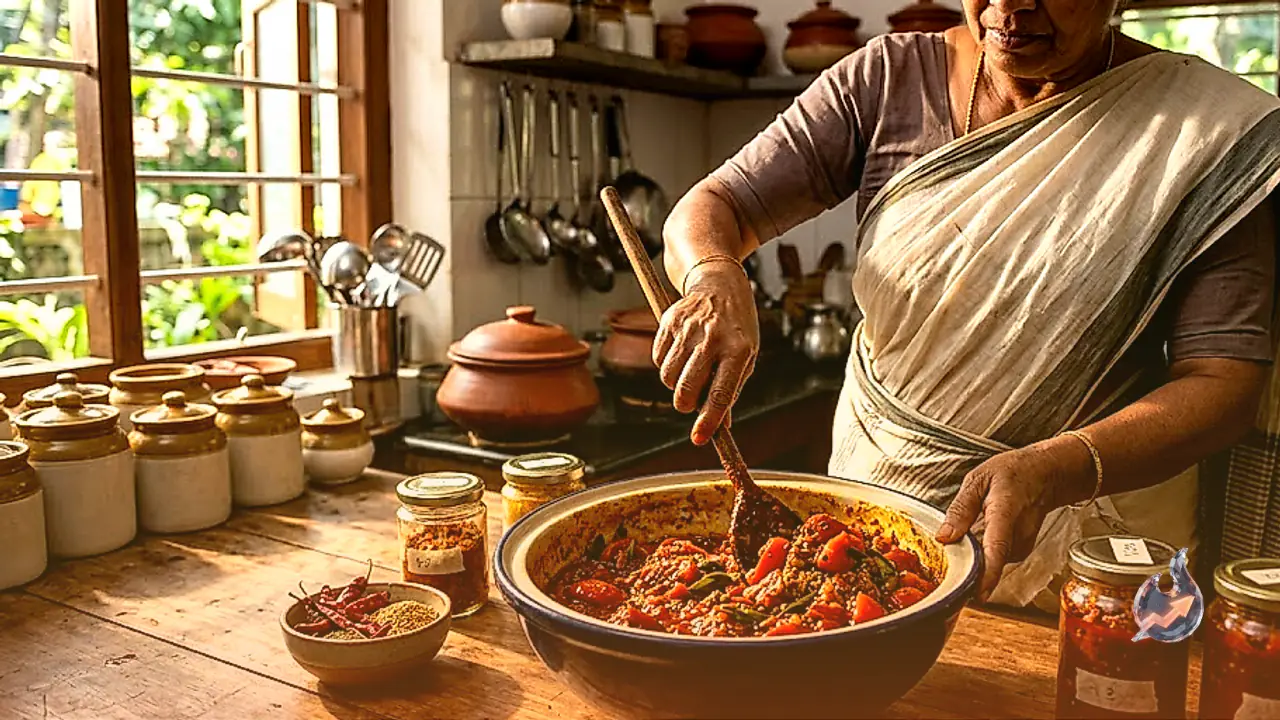
























A jar of homemade pickle holds an irreplaceable spot on the traditional dining table, turning everyday staples like plain lentils and rice, stuffed flatbreads, or comforting bowls of khichdi into deeply satisfying meals. While store-bought bottles are readily available, they often lack the distinct freshness and punch of a traditional blend, whereas amateur home attempts frequently turn soggy or moldy within weeks due to trapped moisture. Mastering the authentic spiced green chilli pickle requires just a few minutes of active preparation, provided one adheres to precise guidelines regarding chilli variety, spice roasting, and moisture control. By striking the right balance among oil, acidity, and aromatic condiments, anyone can produce a batch that remains vibrant, crisp, and completely free from spoilage for an extended period.
Choosing the Best Chillies and Initial Prep Steps
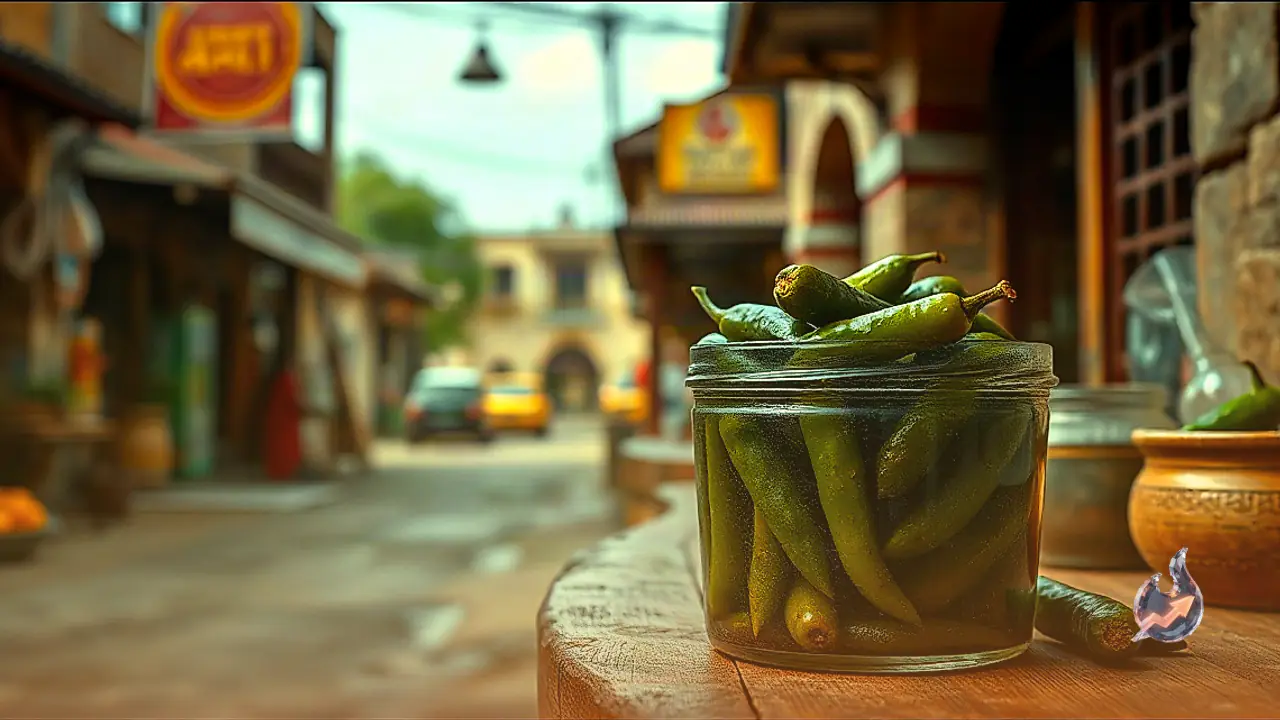
The overall longevity and texture of the pickle hinge entirely on the grade and variety of chillies picked at the market. To guarantee a rich, pungent flavour and a crisp bite, always opt for slender, deep dark-green chillies. These dark pods possess thick, firm skins that resist breaking down in oil and hold an intense natural heat that preserves well over time. In contrast, the pale yellow-green varieties carry substantially less heat, contain higher water content within their flesh, and disintegrate rapidly, causing the entire mixture to sour and spoil prematurely.
Begin the preparation by rinsing the whole chillies under running water two to three times to dislodge all surface impurities. Once washed, spread them across a clean cotton towel and pat each chilli dry with meticulous care. Allow them to rest beneath a running ceiling fan until every trace of external dampness has fully evaporated. Any latent water droplets represent the primary catalyst for fungal contamination, making complete dryness non-negotiable. After verifying that the chillies are bone-dry, pluck and discard every single green stem, as decay almost invariably originates in residual stalk tissues. Before slicing, rub a few drops of mustard oil onto your palms or pull on culinary gloves to protect your skin from stinging burning sensations. Slice each pod longitudinally down the middle using a sharp knife or kitchen shears, and divide exceptionally long chillies into four manageable pieces.
Roasting Spices and Crafting the Seasoning Blend
A balanced assembly of whole seeds forms the aromatic spine of this traditional condiment. The dry foundation calls for black mustard seeds (rai), fennel seeds, fenugreek seeds, and a single spoonful of cumin seeds. Transfer these whole spices onto an ungreased skillet and toast them over low heat for roughly three to four minutes. This brief toasting process is designed to drive off hidden core moisture while awakening the dormant aromatic oils embedded inside the seeds. Watch the pan closely to ensure no seeds scorch, removing them the moment a gentle fragrant vapor rises. Allow the toasted spices to cool before feeding them into a dry grinder jar, pulsing them into a coarse meal rather than a fine powder, as rough granules coat the inner flesh of the chillies far more effectively.
Complementary ground seasonings must now be gathered in a separate bowl. Measure out two spoonfuls of regular salt, a small spoon of mild Kashmiri red chilli powder for color, half a spoonful of turmeric powder, a small spoon of split mustard seeds (rai dal), and a small spoonful of whole nigella seeds (kalonji). Notably, nigella seeds must never be toasted or processed in a grinder; they are stirred in raw and whole to preserve their earthy, distinctive bite. Furthermore, salt acts as an indispensable natural preservative that arrests bacterial activity over long storage windows, meaning the salt ratio in pickle preparations must deliberately exceed standard cooking levels.
Heating the Oil and Marinating the Chillies
For a batch containing 250 grams of prepped chillies, pour half a cup, or approximately 120 ml, of pure mustard oil into a heavy skillet and place it over medium heat. Allow the oil to warm continuously until fine tendrils of white smoke rise from its surface, signaling that its sharp, raw edge has mellowed and its color has shifted slightly. The moment smoking begins, extinguish the stove burner and set the pan aside until the oil cools down entirely to room temperature. Pouring boiling oil over fresh vegetables would cook the flesh, wrecking its signature crunch and scorching delicate spice powders.
Place the sliced chillies into a wide, sterile mixing basin and coat them first with the freshly ground coarse spice mix. Follow this by incorporating the turmeric, whole nigella seeds, Kashmiri chilli powder, salt, asafoetida (hing), and split mustard seeds. Next, drizzle five tablespoons of plain white vinegar evenly over the spiced medley. The vinegar introduces a bright acidic tang, tempers excessive chilli pungency, and creates a hostile environment for microbial growth. If distilled vinegar is unavailable, the strained juice of four fresh lemons serves as a suitable substitute. Finally, pour in the cooled mustard oil and toss the mixture thoroughly using a broad spoon until each chilli segment glazes evenly in the oil and spice paste.
Sun-Curing and the Smoke Infusion Storage Hack
Once combined, rest the seasoned mixture under indirect or direct sunlight for two to three days, keeping the container mouth shielded with a fine muslin cloth. Sunning encourages the oil and spices to infuse deep into the chilli membranes while softening the skin just enough to achieve prime eating texture. For permanent storage, exclusively use non-reactive, airtight glass jars, avoiding plastics or metals that react poorly with acidic vinegar. Sterilize the glass jar thoroughly beforehand by rinsing it in boiling hot water and drying it under strong sunlight until zero moisture lingers inside.
To guarantee that the pickle survives for years without deteriorating while acquiring a rich, smoky undertone, you can deploy a clever traditional fumigation technique. Heat a small lump of natural hardwood charcoal directly over an open burner until it glows cherry red. Using metal tongs, transfer the burning coal onto a dry heatproof saucer and sprinkle a generous pinch of asafoetida powder straight over the embers. As fragrant, dense white smoke billows upward, immediately invert the clean, dry glass jar directly on top of the saucer to trap the vapor. Keep it inverted for a few moments as the smoky asafoetida coats the interior walls, effectively sterilizing the vessel. Invert the jar right-side up, ladle in the seasoned green chilli pickle, and seal the lid tightly. Handled this way, the pickle develops an irresistible depth of flavor and remains perfectly preserved through changing seasons.