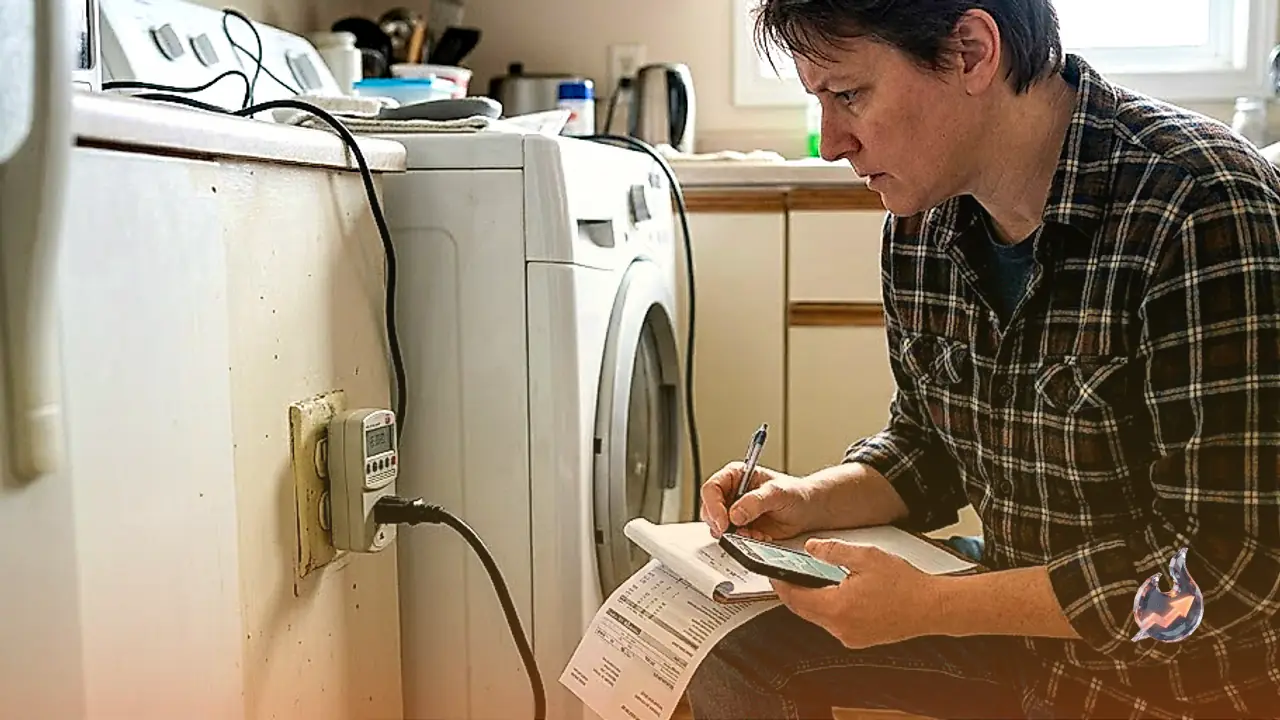
















During warm weather, households frequently encounter a frustrating situation where a ceiling fan spins sluggishly despite the electricity meter indicating a full line supply of 220-230 volts. People often assume that inadequate voltage from the power utility is responsible for the poor airflow and persistent heat in the room. In reality, a fan operating at low speed under stable electrical voltage usually stems from straightforward mechanical wear, electrical resistance, or neglect of routine maintenance. Understanding the underlying components responsible for the fan rotation makes it easier to diagnose the problem and take corrective steps before the appliance suffers permanent damage.
Degraded or Damaged Motor Capacitor
The single most frequent culprit behind a slowly revolving fan is a weakened capacitor inside the motor housing. A capacitor functions as a compact energy-storage component that supplies the initial torque needed to launch the motor and maintain its intended operating speed. Over extended operational cycles and prolonged exposure to elevated temperatures, the internal dielectric material of the capacitor gradually degrades. In many instances, the capacitor dries out entirely or expands and ruptures. When this occurs, the motor fails to receive the rotational kick it requires, leaving the fan turning at a fraction of its normal speed even when supply voltage remains ideal. Replacing an exhausted capacitor is a quick, straightforward task that costs very little.
Heavy Accumulation of Dust on Blades and Housing
Regular household cleaning routines frequently overlook ceiling appliances, allowing thick layers of dust, grime, and grease to settle on the blades and inside the motor casing. This build-up significantly increases the physical weight of each blade and disrupts the aerodynamic profile designed to push air downward. As a result, the motor is forced to push through extra mechanical drag, placing continuous strain on internal components and dragging down rotational speed. Cleaning the blades thoroughly with a damp cloth and brushing away accumulated dirt around the motor vents reduces aerodynamic friction and often restores proper airflow immediately.
Dry Bearings and Mechanical Friction
Inside the motor structure, ball bearings support the central shaft so that it can spin freely with minimal resistance. Over years of continuous operation, the lubricating oil or grease inside the bearing assembly dries out or becomes contaminated with airborne grit. Without adequate lubrication, the bearings seize up, introducing substantial friction against the rotating shaft. This problem typically announces itself through grinding or squeaking sounds, accompanied by an obvious drop in operating speed. Introducing fresh lubricant or machine grease can sometimes free up the mechanism, though badly worn or damaged bearings require full replacement to ensure smooth operation.
Faulty Regulators and Deteriorated Wiring Connections
Adequate voltage at the main breaker panel does not guarantee that full electrical current reaches the fan terminals. Loose connection screws inside the switchboard, aged wires with high internal resistance, or poorly spliced joints can restrict the flow of current to the motor. Similarly, a malfunctioning fan speed regulator can choke the electrical supply. Users often turn the regulator knob all the way to maximum, unaware that deteriorated internal contacts or failing electronic components inside the regulator are preventing the full current from passing through. Inspecting the wire junctions and testing or swapping out the speed regulator resolves this hidden bottleneck.
Motor Winding Wear and Distorted Blade Alignment
As fans age across several years of continuous use, the electromagnetic coils inside the motor experience insulation breakdown and natural degradation. A partial short circuit or decayed varnish on the copper winding prevents the motor from generating its full magnetic field strength, leaving it underpowered despite normal voltage. Additionally, physical bending of the blade brackets or uneven warping throws off the mechanical balance. An unbalanced fan wobbles noticeably while spinning, dissipating rotational energy into lateral vibration and severely compromising overall airflow efficiency.
Circuit Overload and Timely Maintenance Steps
During the peak of summer, running numerous high-draw appliances simultaneously on the same electrical branch can lead to localized circuit overloading, starving the fan of sufficient operational current even if static meter readings appear normal. Homeowners can perform preliminary troubleshooting by wiping down blades, replacing the capacitor, lubricating accessible bearings, and securing loose terminal screws. If sluggishness persists, bringing in a qualified electrician to test winding continuity and insulation resistance is the safest course of action. Ignoring a slow fan causes the motor to run excessively hot, risking complete burnout that would necessitate purchasing an entirely new appliance.