


















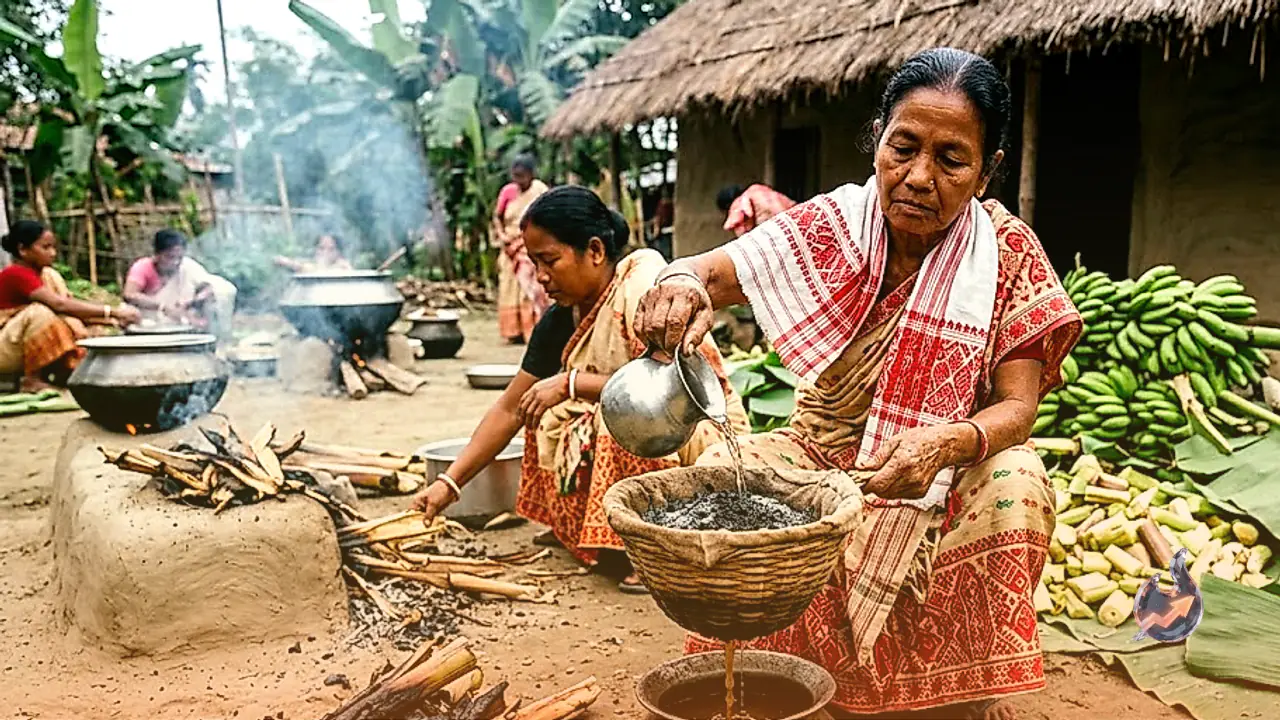

Traditional cuisines across India frequently turn agricultural residues into culinary hallmarks, and Assam's signature khar stands out as one of the most distinctive examples. Beyond being an essential component of local meals, the dish derives its character from a naturally filtered alkaline water extracted from the charred remnants of banana stems and peels. This specific base imparts a mellow yet unmistakable texture and flavour that distinguishes Assamese kitchens from neighbouring culinary practices across the country.
The Method Behind Creating Kola Khar
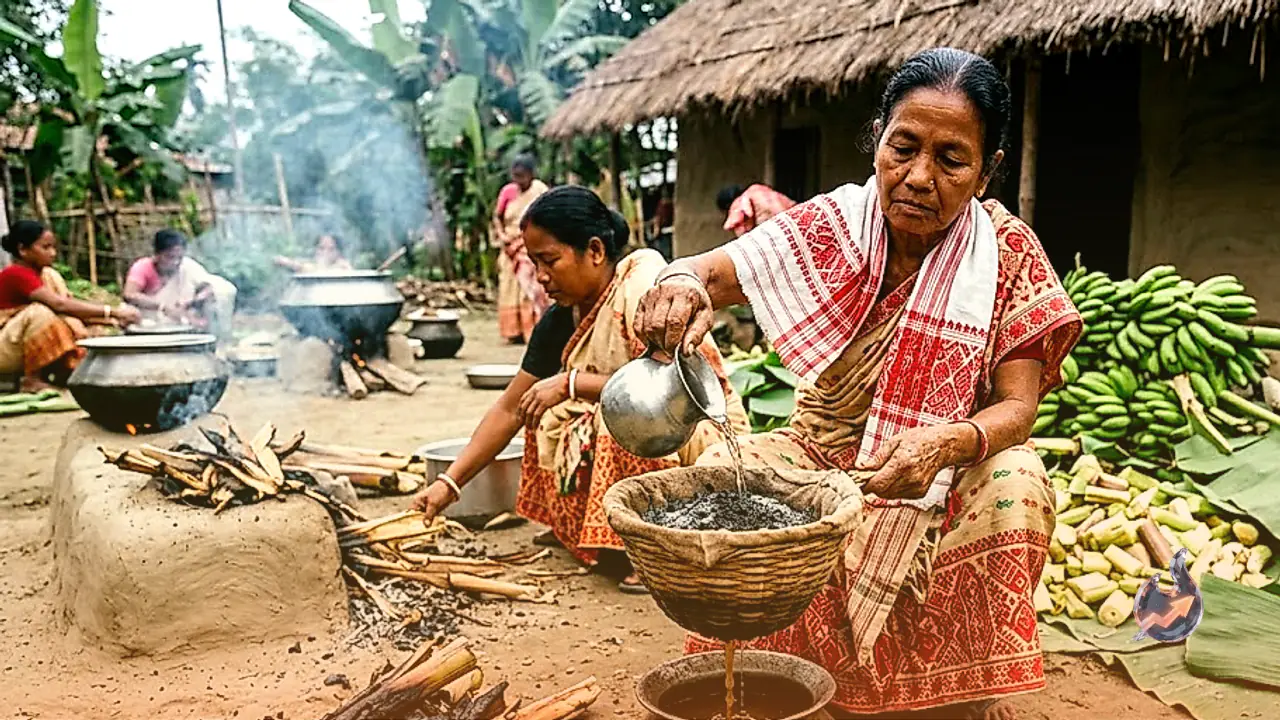
In Assamese culinary tradition, the word khar identifies both the prepared dish and the fundamental alkaline ingredient that gives it form. This core liquid extract is known locally as kola khar. To produce it, households take dried banana peels or dried inner parts of the banana tree stem and burn them down to fine ash. Water is then poured over this collected ash and slowly strained through a filter. The resulting brownish alkaline solution captures subtle smoky, natural soda notes, which then serves as the indispensable cooking base for various preparations.
Variations with Raw Papaya, Pulses, and Seasonal Produce
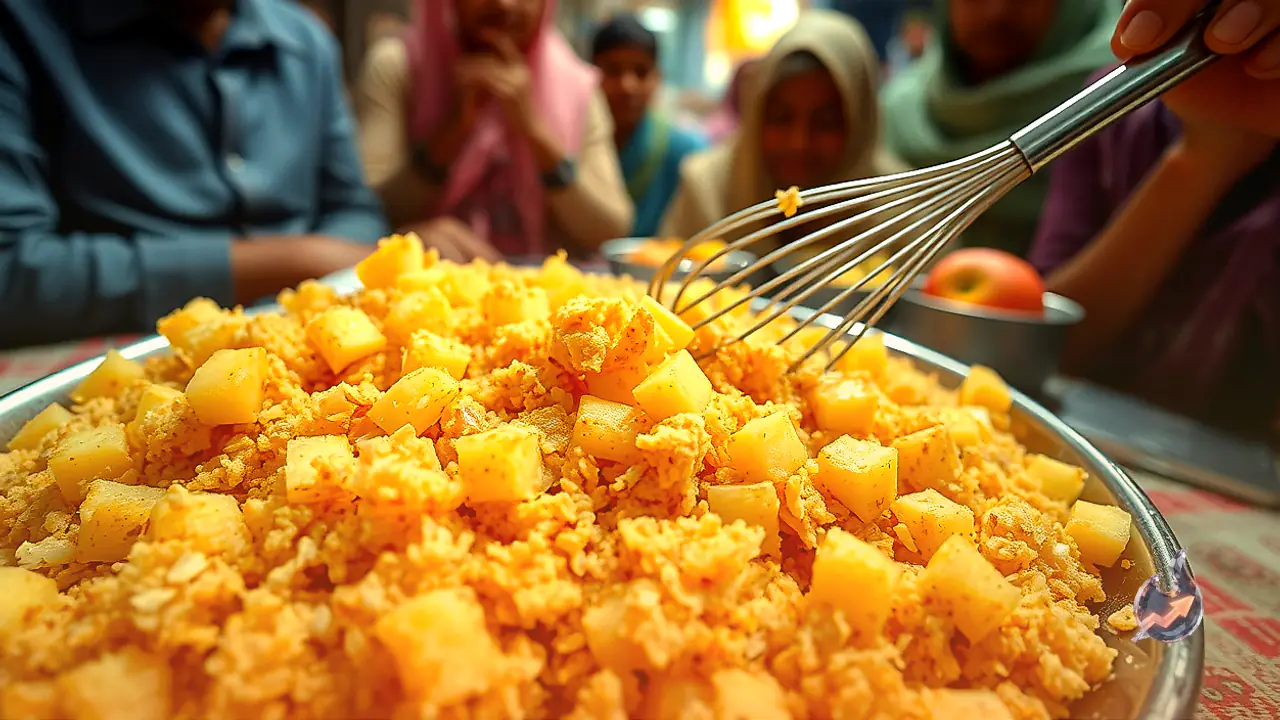
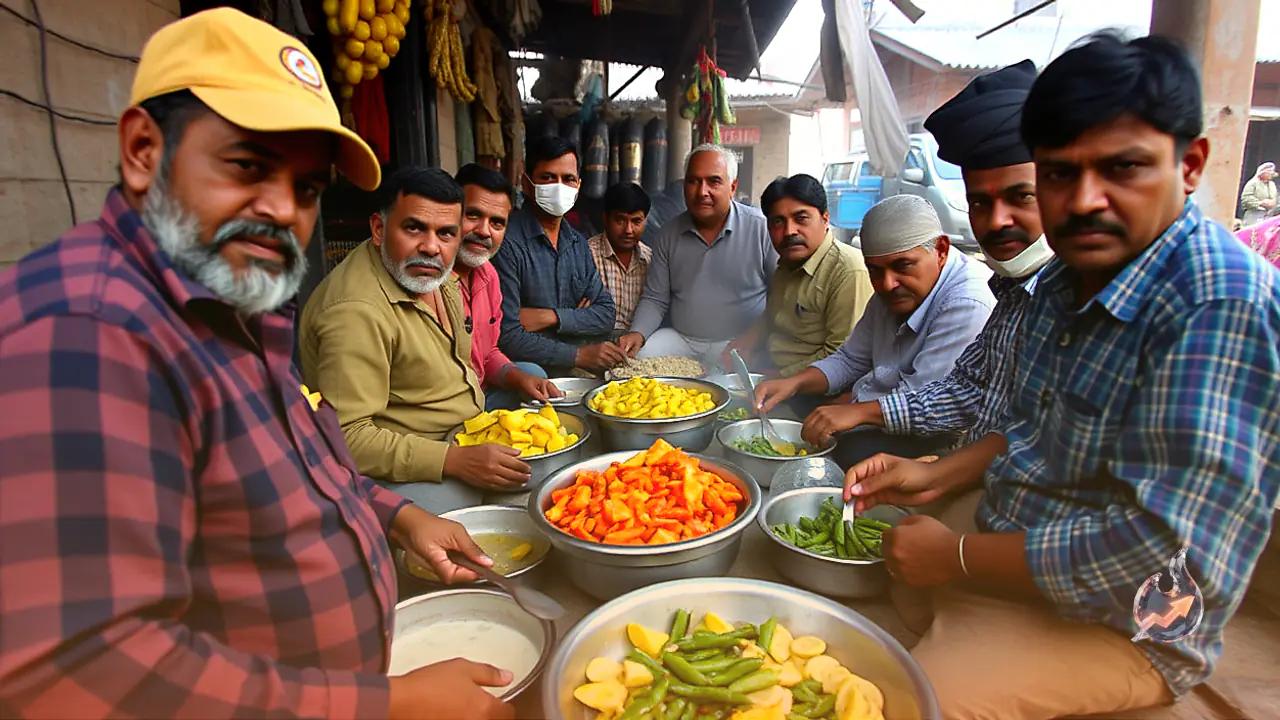
Rather than denoting a single static recipe, khar accommodates several seasonal combinations depending on family preference and regional custom. One of its best-known versions is made with green raw papaya, which is diced into small pieces, cooked until tender, and gently simmered with a measured measure of kola khar. The process avoids heavy spicing, relying instead on minimal mustard oil, salt, and light seasoning to allow the alkaline element to soften the produce while letting its mild earthiness dominate. Aside from raw papaya, households regularly prepare khar incorporating lentils, mixed vegetables, or locally sourced fish.
The Serving Order in Traditional Meals
In many Assamese households, custom dictates that a traditional multi-course meal begins with a serving of khar alongside plain steamed rice before any other items are enjoyed. Once this initial course is finished, the meal proceeds to lentils, dry vegetable preparations, curries, and remaining dishes. While serving sequences can vary slightly across different communities and domestic habits, the dish represents far more than an everyday curry. By converting discarded banana waste into a prized culinary element, it serves as a central symbol of regional identity and mindful eating.