



















Morning rush hours in most households bring a common challenge: deciding on a breakfast that is quick to prepare, nutritious, filling, and a refreshing break from routine flatbreads or parathas. Traditional South Indian breakfast items like classic dosas or idlis require hours of soaking rice and lentils, grinding them, and letting the batter ferment overnight. However, if you want an instant, soft, and delicious meal without any advance planning, Suji Bun Dosa serves as an outstanding option. Prepared easily using basic kitchen staples like semolina, yogurt, and a handful of flattened rice, this dish offers a wonderful combination of texture and flavor.
What Sets Suji Bun Dosa Apart in Texture and Shape
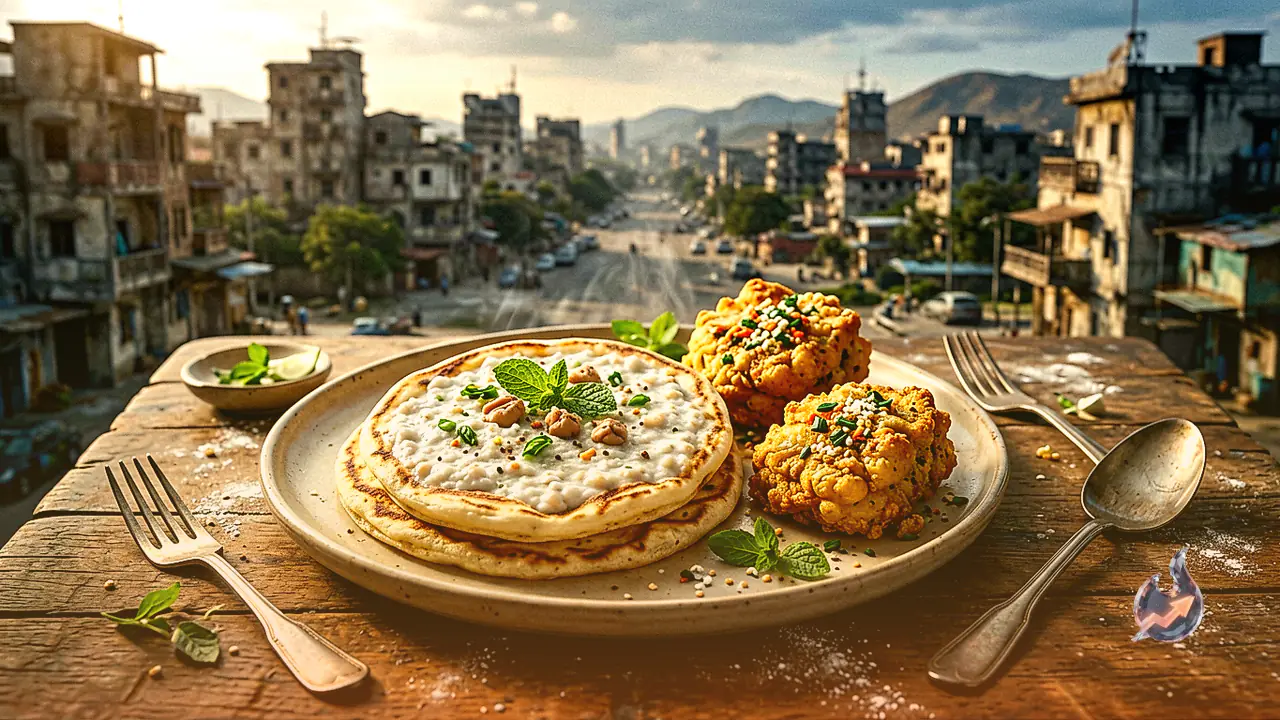
Unlike standard dosas that are spread paper-thin and toasted crisp across a wide griddle, Suji Bun Dosa is distinguished by its thick, round, and fluffy structure. Once cooked, it develops a lightly crisp, golden outer layer while remaining remarkably soft, airy, and spongy on the inside, closely resembling a soft bread bun. Children love its delicate, pillow-like texture, while adults appreciate how well it absorbs classic dips. On busy mornings when time is short and you want to avoid commercial packaged foods, this simple homemade recipe simplifies cooking while delivering satisfying results.
Complete Ingredients List and Measurements
You do not need any exotic or expensive ingredients to prepare this dish. Gather the following basic items in their exact quantities before starting
- Semolina (Suji/Rava): 1 cup
- Yogurt (Curd/Dahi): 1/2 cup (fresh, slightly tangy curd works best)
- Flattened Rice (Poha): 1/4 cup
- Water: As needed to adjust batter consistency
- Green Chillies: 1 to 2, finely chopped
- Ginger: 1 small teaspoon, freshly grated
- Eno Fruit Salt or Baking Soda: 1/2 small teaspoon
- Salt: To taste
- Oil or Ghee: As required for roasting and greasing
- Optional Flavor Additions: Finely chopped onion and fresh curry leaves
Step-by-Step Batter Preparation and Resting Process
Creating the perfect batter begins with prepping the flattened rice. Take 1/4 cup of poha, wash it thoroughly with clean water, and soak it in water for about 5 minutes. Soaking softens the poha, which plays a vital role in giving the final dosa its characteristic spongy softness. After 5 minutes, transfer the soaked poha into a blender jar along with 1 cup of suji, 1/2 cup of curd, salt to taste, and a small quantity of water. Blend everything together into a completely smooth and uniform batter.
The resulting batter should be balanced in consistency, neither overly watery nor excessively thick. Pour this batter into a mixing bowl, cover it with a lid, and let it rest for 10 to 15 minutes. This resting interval is crucial because it allows the semolina grains to absorb the liquid from the curd and water, expanding and softening properly. After 10 to 15 minutes, open the lid and mix in 1 to 2 finely chopped green chillies and 1 small teaspoon of grated ginger. For extra crunch and aroma, you can also fold in finely chopped onions or finely chopped curry leaves at this stage.
Activating Leavening Agent and Cooking Technique
Just before you begin roasting the dosas, add 1/2 small teaspoon of Eno fruit salt or baking soda to the batter. Pour about 1 teaspoon of water directly over the Eno or soda to trigger immediate effervescence. As it bubbles up, gently fold it into the batter using a light hand. Avoid over-mixing or vigorous beating, as doing so will release the trapped air bubbles. As soon as the batter turns light, airy, and frothy, proceed immediately to cooking.
Heat a small deep appam pan or a small non-stick pan over low heat. Lightly grease the surface with a few drops of oil or ghee. Pour roughly 1 to 1.5 big tablespoons of batter directly into the center of the pan. Remember the key technique: do not spread or swirl the batter thin like a conventional dosa. Allow it to sit thick and round on its own. Cover the pan with a lid and let it cook undisturbed on low heat for about 2 to 3 minutes.
After 2 to 3 minutes, check if the top surface has dried out and the dosa appears puffed up. Drizzle a little oil or ghee along the edges, then carefully flip the dosa using a flat spatula. Cook the second side on low to medium heat until it turns light golden brown and cooked through. Once both sides are evenly done, remove it from the pan.
Essential Culinary Tips for Flawless Texture and Taste
To ensure your Suji Bun Dosa turns out perfectly fluffy every single time, pay close attention to these important tips
Heat Management
Never cook bun dosas on high heat. High flame will cause the bottom exterior to brown or burn rapidly while leaving the thick interior uncooked and doughy. Always maintain low or medium heat so the steam cooks the center thoroughly.
Batter Consistency
If the batter is kept too thick, the cooked dosa may turn dense or tough inside. Ensure proper water balance so the interior remains cloud-soft.
Adjustments for Children and Ghee Finish
When cooking for young children, reduce or skip the green chillies. Applying a small brush of clarified butter (ghee) on top while roasting enhances both the rich aroma and mouthfeel.
Serving Suggestions
Serve these hot bun dosas fresh off the stove. They pair exceptionally well with classic coconut chutney, tangy tomato chutney, roasted peanut chutney, or a bowl of hot sambar.
Why This Recipe Belongs in Your Breakfast Rotation
Eating the same conventional breakfast every day can become monotonous. Suji Bun Dosa brings exciting variety to your table without requiring tedious effort or overnight planning. It is especially convenient on days when you crave something special yet lack the time for intricate cooking or ordering food from outside. With standard ingredients found in almost every pantry, you can serve a fresh, restaurant-worthy fluffy breakfast in a matter of minutes.