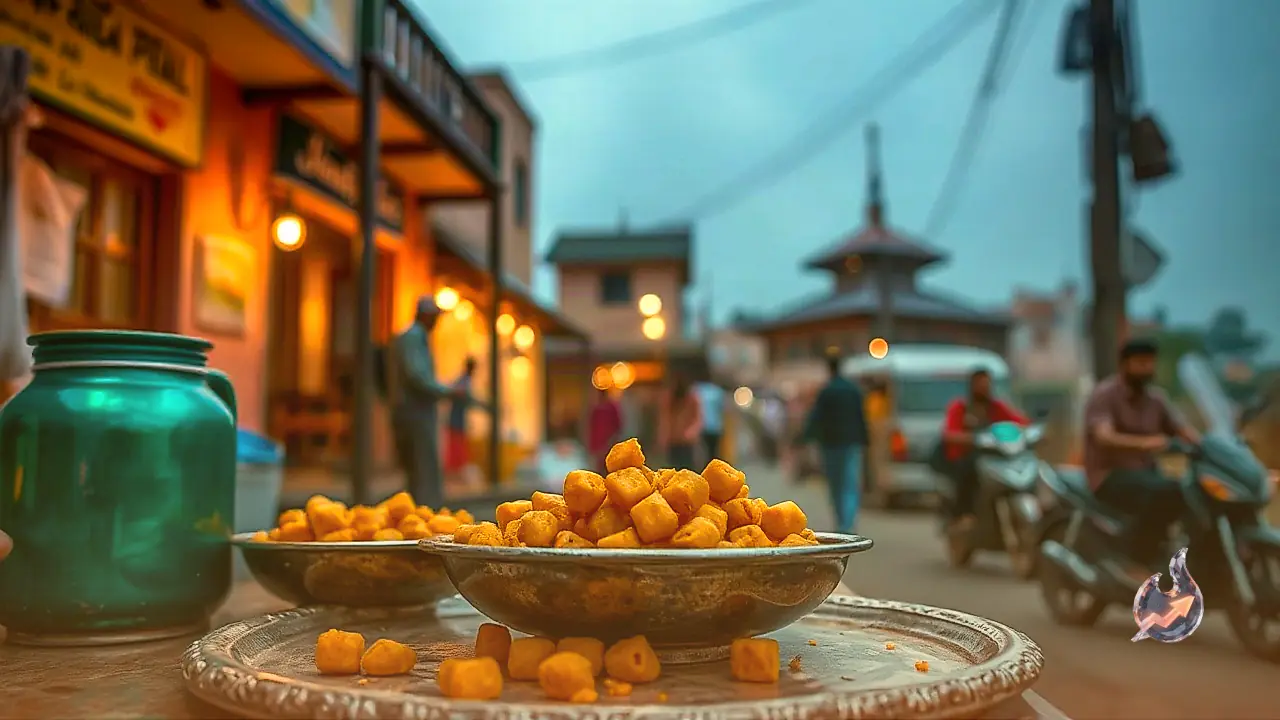




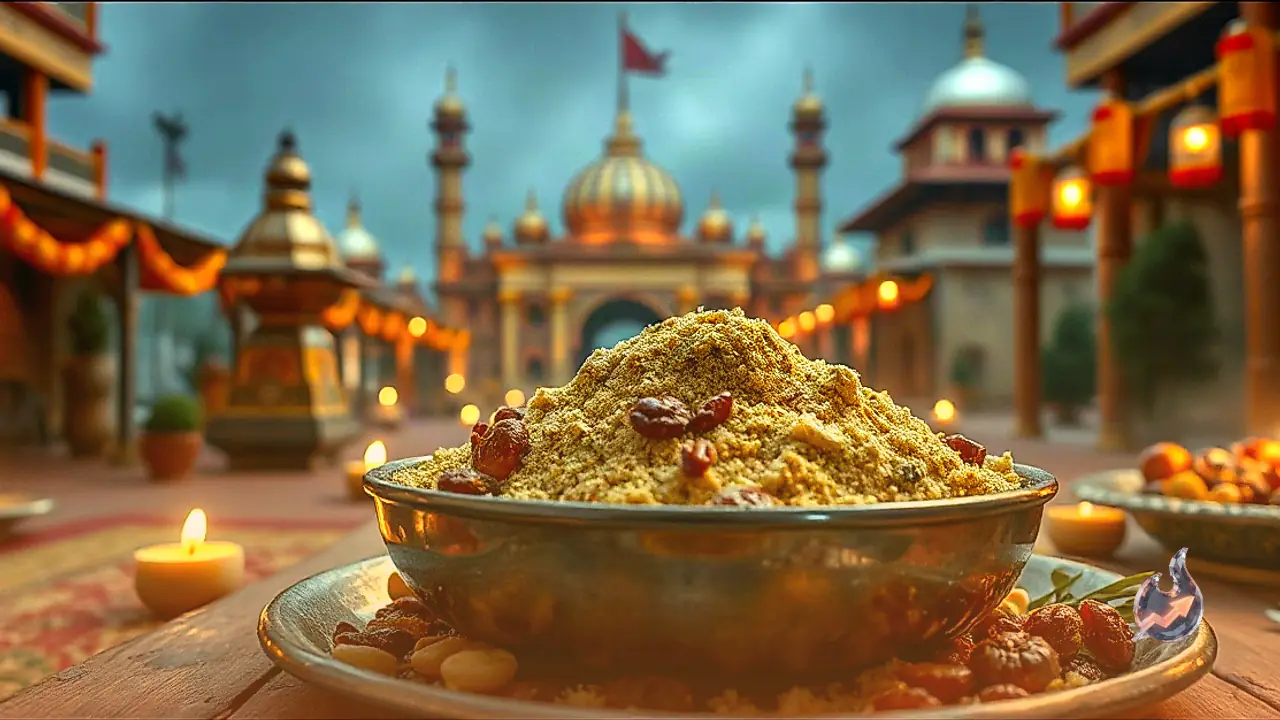

















The Chambal region of Madhya Pradesh is celebrated not only for its rich historical legacy and natural landscapes but also for its distinctive culinary traditions. As soon as the monsoon showers arrive, kitchens across Shivpuri and the surrounding Chambal belt come alive with the savory aroma of freshly fried moong dal mangode. Crisp, light, and perfectly spiced, these lentil fritters are far more than a simple rainy day snack. They stand as a timeless symbol of regional hospitality. Whether enjoyed alongside strong evening tea or eaten while watching the rainfall, mangode appeal across all age groups.
The Tradition of Silbatta Grinding versus Modern Mixers
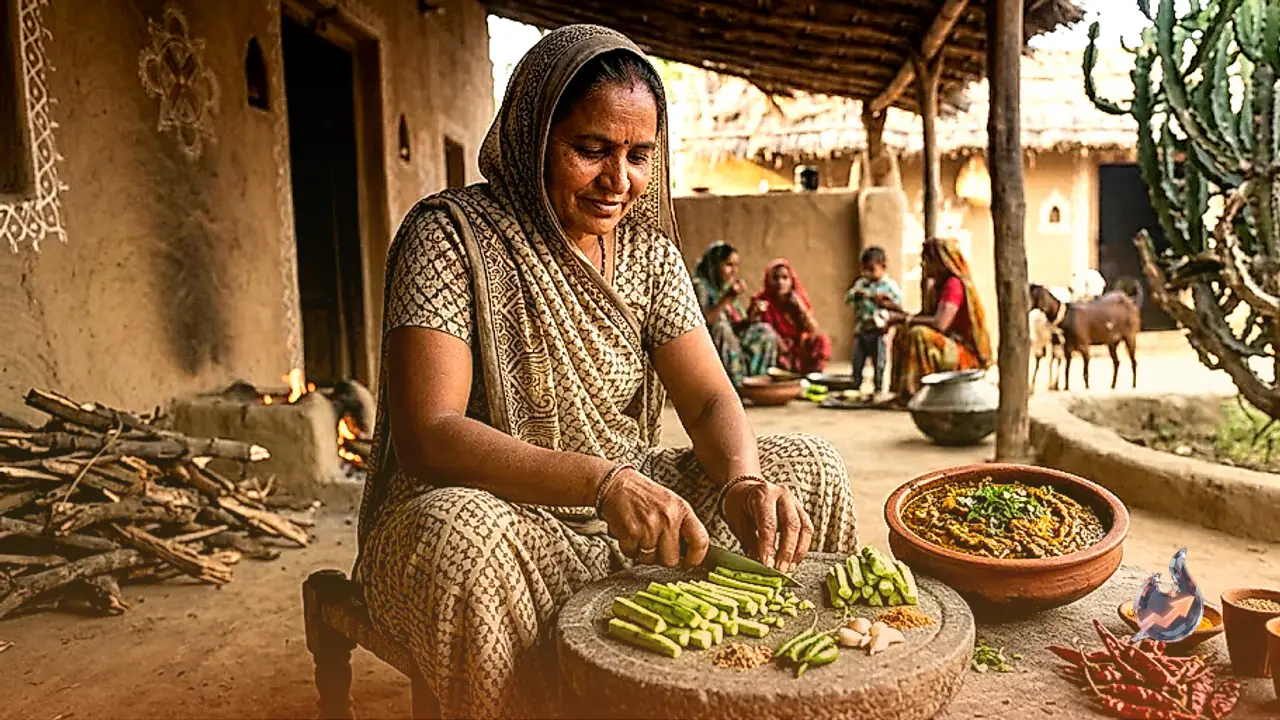
In rural households, the technique of making mangode has remained untouched by time. The washed moong dal is soaked overnight and ground on a traditional silbatta, or flat grinding stone. Local cooks firmly believe that coarse grinding on a stone slab preserves the texture and yields fritters that are significantly crunchier and tastier. In urban settings, people frequently rely on electric mixers for convenience. However, the fundamental rule remains identical across both techniques: the dal must be ground coarsely with minimal water. Maintaining a thick, rough texture is the defining element of authentic mangode.
Essential Ingredients and Step-by-step Cooking Process
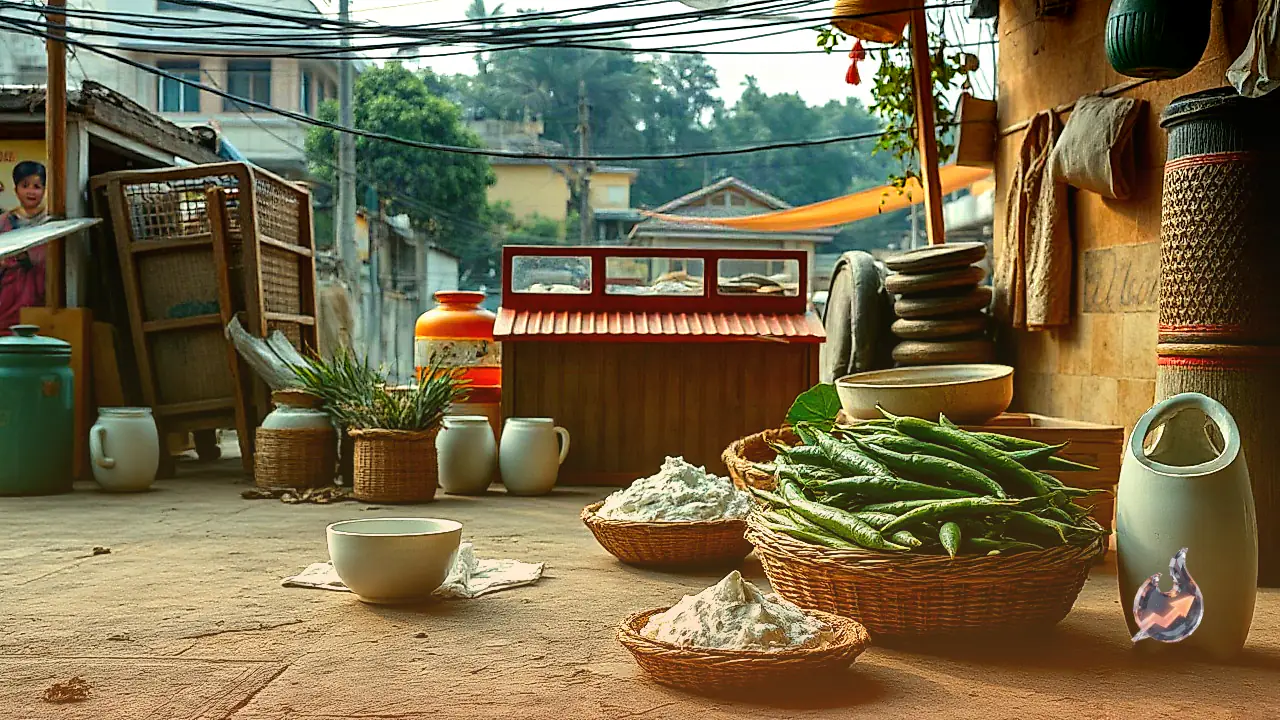
Achieving the perfect texture requires precise measurements and proper whipping technique. The primary ingredient is one cup of washed moong dal, which must be soaked in water for four to five hours. Additional key components include one teaspoon of freshly grated ginger and mustard oil or refined cooking oil for deep frying.
To prepare the batter, first wash the soaked lentil thoroughly. Next, process it coarsely on a silbatta or in a mixer without adding excess water. To this coarse paste, combine asafoetida, cumin seeds, grated ginger, chopped green chillies, coriander powder, salt, and finely chopped fresh coriander leaves. The critical step to making the fritters light and fluffy is to vigorously whisk or beat the batter for three to five minutes. This process incorporates air into the mixture, ensuring the fritters rise nicely. Heat the oil in a deep kadhai, drop small portions of the batter into the hot oil, and fry on medium heat until they turn evenly golden brown and crisp.
Serving with Tangy Chutneys and Hot Tea
In the Chambal region, serving mangode is an art accompanied by traditional condiments. The fritters are typically served alongside vibrant green coriander and mint chutney, a fiery garlic chutney, and a sweet tamarind chutney. In many homes, a piping hot plate of mangode paired with strong tea serves as the ultimate morning or evening breakfast item. When guests visit during the rainy season, hosts immediately present them with freshly fried mangode, carrying forward Chambal's proud culinary heritage.