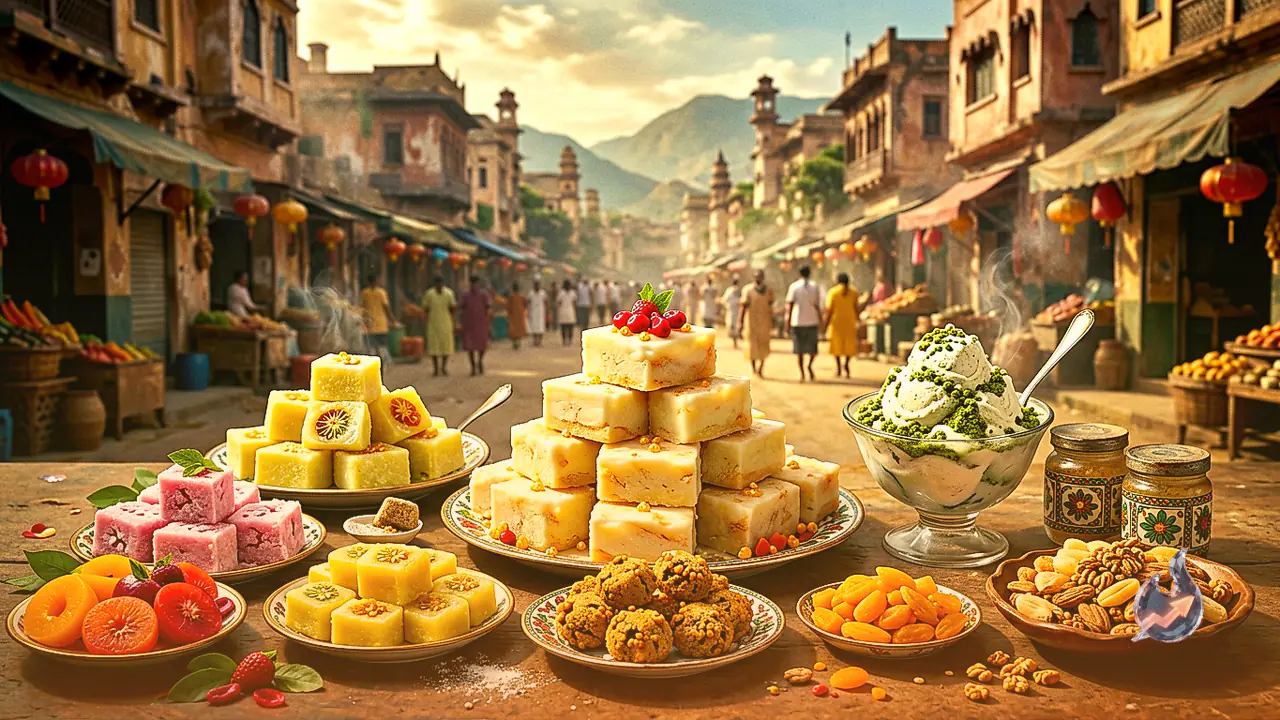





















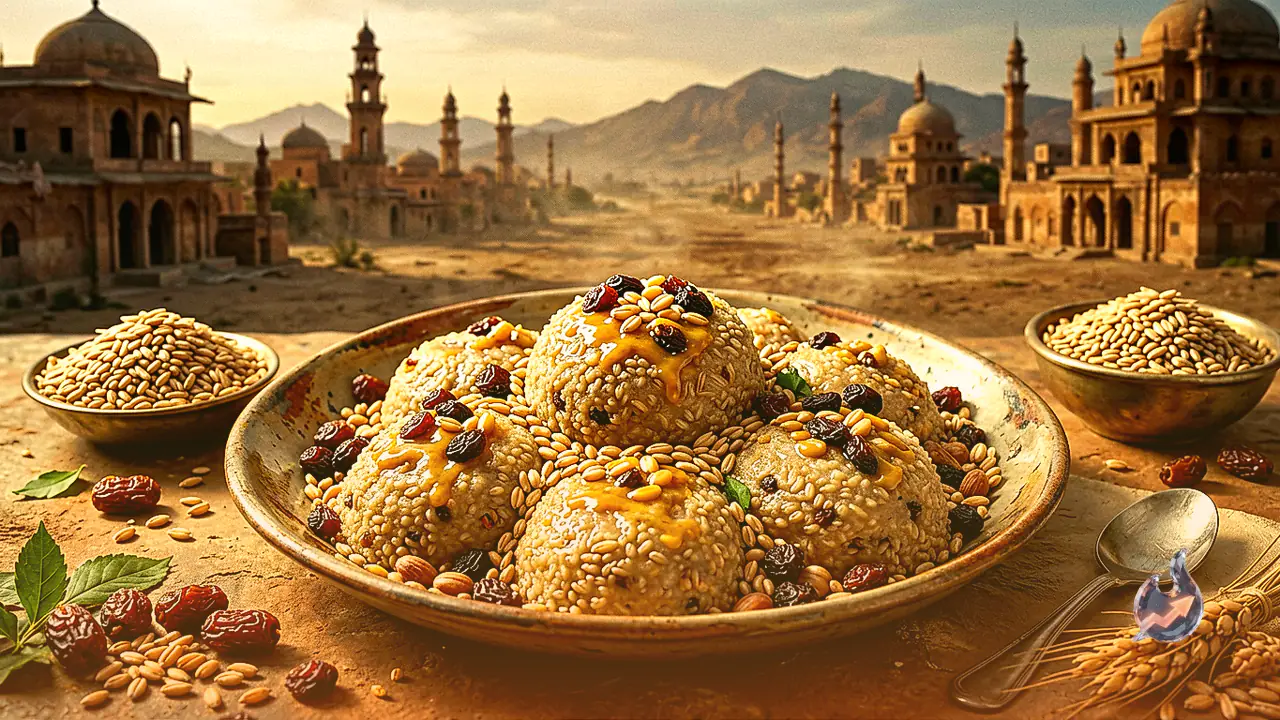

Rampur district in Uttar Pradesh has long earned acclaim for its signature kebabs, rich kormas, and royal Nawabi culinary traditions. Among its diverse gastronomic treasures, a dark and fragrant sweet dish has held a cherished place for generations. Habshi Halwa has been officially selected under the Yogi government One District One Cuisine initiative to introduce this unique regional flavor to a global audience. Defined by its deep brown to black shade, nutty aroma, and distinct texture, Habshi Halwa represents far more than a simple confection; it stands as an enduring emblem of Rampur cultural heritage.
Royal Heritage and Two Centuries of Culinary Tradition
The origins of Habshi Halwa are deeply entwined with the regal history of the Nawabs of Rampur. Local historical accounts and traditional beliefs trace the roots of this delicacy back approximately 200 years. Meanwhile, several regional culinary scholars attribute its creation specifically to around 1930, during the reign of Nawab Hamid Ali Khan of Rampur. Royal chefs originally created this nutrient dense recipe to provide winter sustenance and energy for the ruling nobility. Over the decades, the recipe expanded beyond the royal kitchens into public sweet shops and family households, eventually becoming the signature sweet of the entire region.
The Eight Hour Preparation Process and Sprouted Wheat Base
Crafting authentic Habshi Halwa demands exceptional skill, physical effort, and extended preparation time. The process begins days in advance by soaking whole wheat grains in water until they sprout. Once sprouted, the grains are dried thoroughly and ground into a fine powder. This sprouted wheat extract is then combined in a large cooking vessel with fresh milk, pure desi ghee, sugar, assortment of nuts, and traditional aromatic herbs or spices.
The hallmark of this sweet lies in its prolonged slow roasting on low heat. As artisans stir the mixture continuously for 6 to 8 hours, the gradual caramelization of sugar and deep roasting of milk solids impart a characteristic dark brown or black hue. This extensive cooking cycle is critical for developing the deep flavor profile, distinct aroma, and texture that define traditional Habshi Halwa.
Grainy Texture, One Month Shelf Life, and Global Footprint
Unlike conventional soft halwas, Habshi Halwa offers a firm, grainy, and delightfully chewy consistency. The combination of sprouted wheat, ghee, and nuts produces a rich, wholesome taste profile that makes it particularly popular during the cold winter months. In Rampur, gifting containers of this halwa to guests during weddings and major celebrations remains a cherished tradition.
A key feature of Habshi Halwa is its exceptional shelf life, allowing it to stay fresh without spoiling over long periods. Today, its popularity extends far beyond Rampur and Uttar Pradesh. The sweet has established a steady market across major Indian cities like Delhi and Mumbai, while also reaching international consumers in Saudi Arabia, Oman, England, and the United States.
Authentic Step by Step Recipe and Preparation Method
To prepare traditional Habshi Halwa at home, combine the sprouted wheat extract and fresh milk in a heavy bottomed pan over low heat, stirring continuously until the liquid reduces to half its original volume. Add crumbled khoya into the reduced milk mixture and stir until a smooth consistency is achieved. Next, dissolve saffron in kewra water and pour it into the pan along with sugar, maintaining constant movement. As the sugar dissolves and integrates, the mixture will thicken significantly and become heavy to stir.
At this stage, gradually pour desi ghee along the inner edges of the pan and roast the contents continuously for about 20 to 30 minutes. Continue stirring until the halwa stops clinging to the sides of the pan and forms a single cohesive mass. Transfer the hot mixture onto a pre greased tray or platter. Finely grind mace, nutmeg, and cardamom, strain the spice mixture, and sprinkle it evenly over the top. Allow the halwa to cool and set before slicing it into elegant diamond shaped pieces. Stored properly in a cool place, this halwa remains suitable for consumption for up to one month.