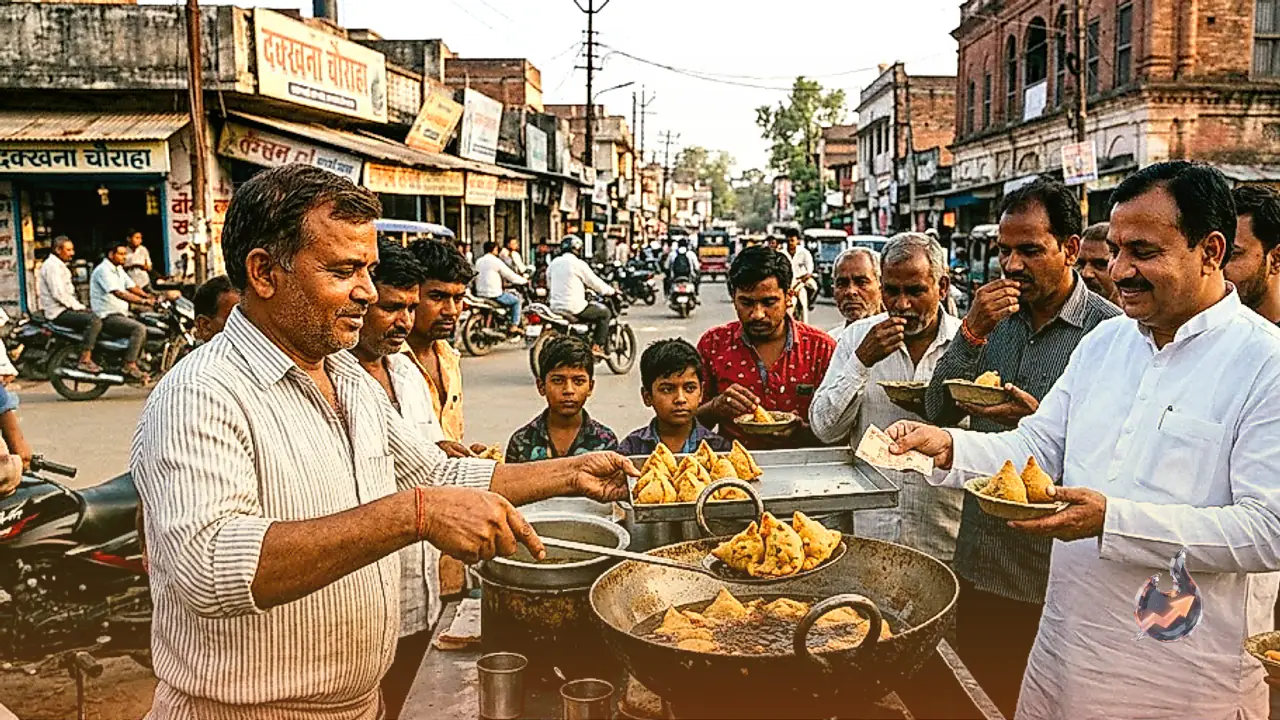





















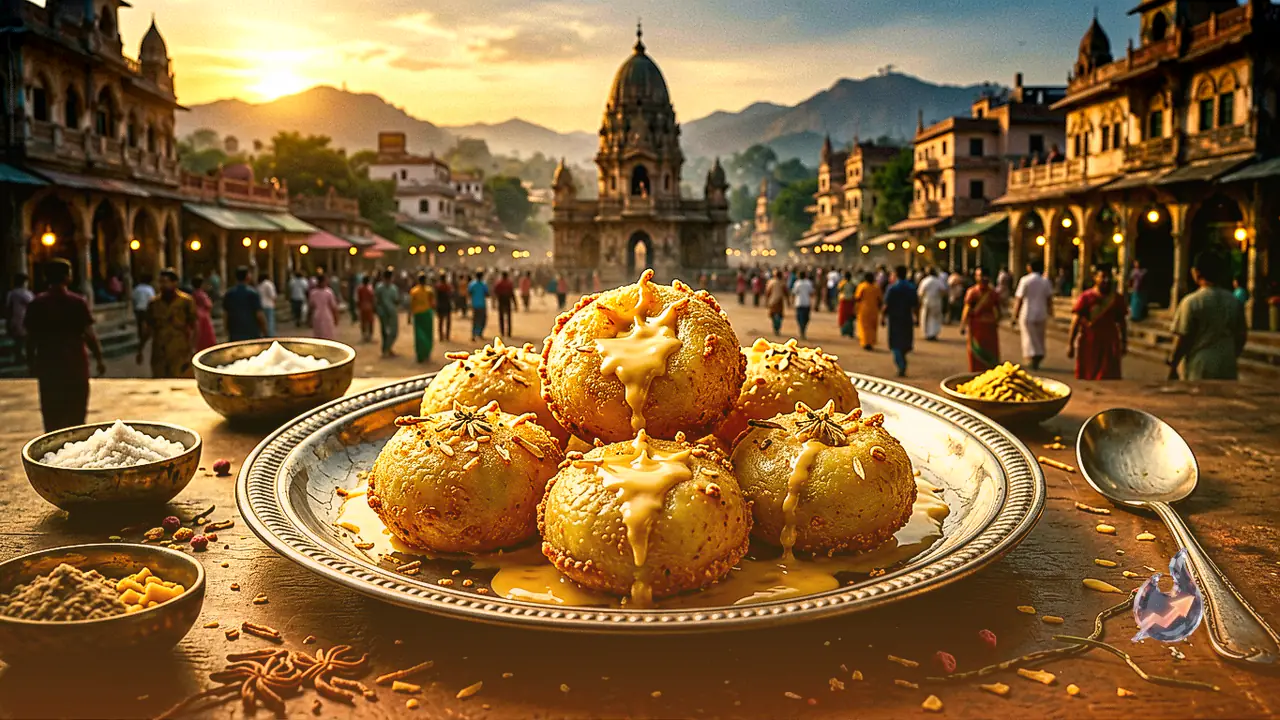

With the arrival of the auspicious month of Sawan, the streets of Deoghar in Jharkhand immerse themselves in deep devotion and vibrant religious fervor. Hundreds of thousands of devotees and Kanwariyas travel from every corner of India to offer holy water and prayers at the famous Baba Baidyanath temple. From the temple complex to the city's inner alleys and bustling marketplaces, massive crowds can be seen everywhere. Amidst this intense spiritual atmosphere, the culinary culture of Deoghar adds another layer of delight for the visiting pilgrims. A very unique sweet takes center stage during this festive season, capturing the taste buds of locals and visitors alike. This dish is none other than the potato jalebi (Aloo Jalebi). While people across India are accustomed to eating jalebis made from refined flour or urad dal, Deoghar presents a special version crafted from potatoes, which becomes exceptionally popular throughout Sawan.
High Demand During Sawan Mondays and Fasting Days
Local sweet vendors and shopkeepers in Deoghar prepare a wide variety of traditional dishes and festival foods to cater to the visiting Kanwariyas and residents. Among all these festive treats, potato jalebi has established a distinct identity of its own. The demand for potato-based dishes skyrockets particularly on Mondays during Sawan, when many devotees observe strict fasts. Freshly fried, piping hot potato jalebis coming out of the pans become an irresistible treat for fasting devotees. Pilgrims arriving from distant places consider their trip incomplete without savoring this unique sweet after finishing their temple rituals.
The Step-by-Step Recipe Behind Deoghar's Potato Jalebi
The culinary process of preparing these crispy potato jalebis is both meticulous and fascinating. The recipe begins by boiling fresh potatoes thoroughly. The potatoes are boiled for about 1 hour to ensure they turn completely soft and smooth. Once boiled, they are left aside for a while to cool down completely. After cooling, the potatoes are mashed meticulously until no lumps remain.
Next, arrowroot flour (ararot) is mixed into the mashed potatoes. Arrowroot is essential as it provides the ideal binding and imparts a satisfying crunch to the jalebis once deep-fried. Milk is then gradually added to the potato and arrowroot mixture to form a smooth, thick batter suitable for shaping. Once the batter reaches the perfect consistency, it is placed into a traditional cloth piping bag and squeezed into swirling circular spirals directly into a pan of hot pure ghee.
As the jalebis fry slowly in pure ghee, they gradually transform into a rich golden brown and crispy texture. Once evenly cooked on both sides, they are carefully lifted from the hot ghee and immediately submerged into a thick sugar syrup. After soaking in the syrup for a few minutes to absorb the sweetness inside, the hot potato jalebis are ready to be served.
Distinctive Flavor Profile and Economic Impact for Local Vendors
The flavor and texture of potato jalebi stand apart from conventional flour-based jalebis. Featuring a crisp exterior and a soft, juicy interior bursting with sweet flavor, it perfectly complements the festive ambiance of Sawan. For devotees visiting Baba Dham, enjoying the local street food delicacies is as essential as offering prayers at the shrine. Consequently, potato jalebi emerges as a standout culinary attraction in every nook and corner of Deoghar during Sawan, while providing local sweet vendors and artisans with a lucrative seasonal business opportunity.