























Wheat flatbread, commonly known as roti, is a staple element of daily meals across households in India. While the basic preparation appears straightforward, culinary techniques often vary from kitchen to kitchen. Some individuals knead flour using only water, whereas others routinely incorporate a small amount of salt into the dough. This culinary practice extends beyond mere habit, serving distinct functional roles related to flavor enhancement, dough structure, and moisture management during cooking.
Flavor Enhancement and Culinary Balance
The primary motivation for introducing salt during the kneading process is to elevate the intrinsic taste profile of the bread. Rotis cooked without salt can occasionally taste flat or unpalatable. Adding a controlled measure of salt brings out the natural richness of the wheat grain. This difference becomes particularly noticeable when rotis are consumed alongside lightly seasoned lentils, mild vegetable curries, or fresh curd. The seasoned bread complements these side dishes, creating a well-rounded dining experience. Consequently, adding salt to dough is also a standard practice when preparing related flatbreads such as parathas and puris.
Structural Impact on Flour Gluten and Workability
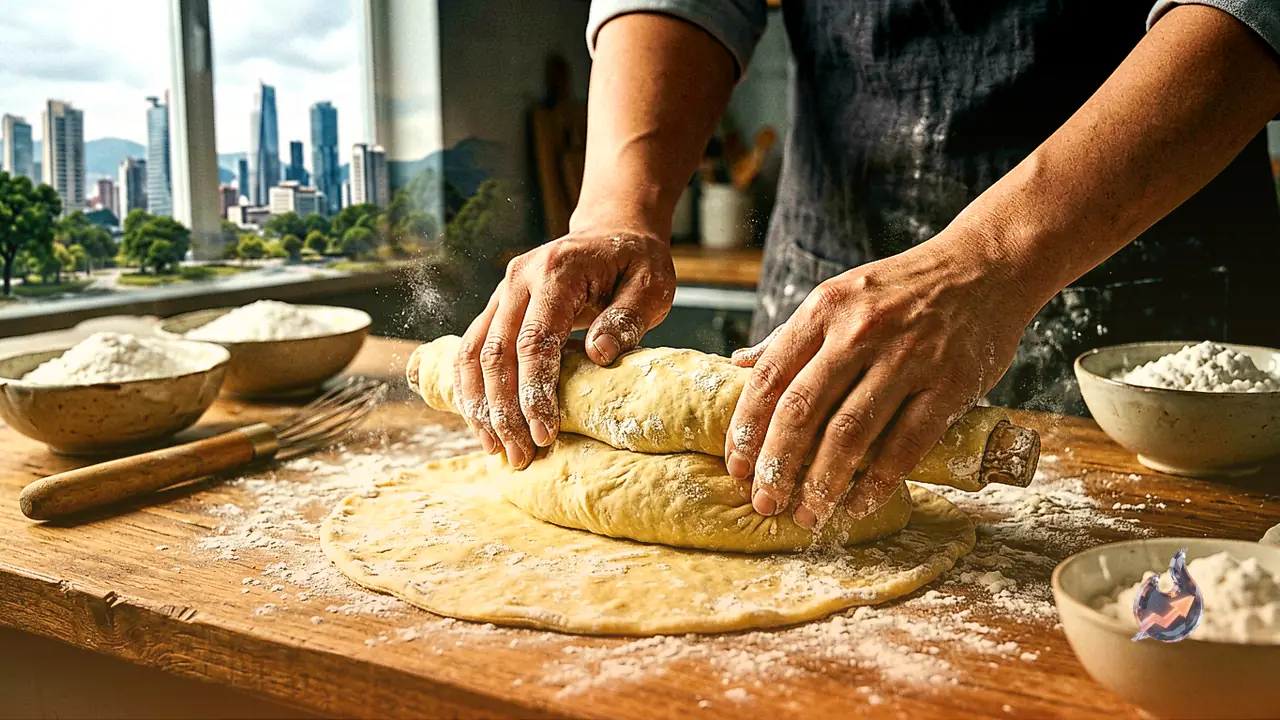
Beyond taste, salt exerts a noticeable physical influence on the texture and elasticity of wheat dough. Wheat flour contains gluten proteins that form a stretchable network when hydrated. The addition of salt strengthens this gluten matrix, rendering the dough more pliable, resilient, and cohesive. As a result, the kneaded dough becomes smoother and significantly easier to roll out. The strengthened structure reduces sticking on rolling boards, allowing cooks to flatten the dough into uniform, well-shaped discs with greater ease.
Moisture Retention and Maintenance of Softness
Culinary experts and home cooks observe that appropriate salting helps keep rotis softer for a somewhat longer duration after cooking. Although this physical effect is moderate, salt aids in regulating moisture distribution within the dough matrix. By balancing internal moisture levels, it prevents the bread from drying out rapidly or turning rigid as it cools, helping cooked rotis maintain a desirable supple texture when stored for later consumption.
Health Considerations and Recommended Ratios
Incorporating salt into roti dough remains a matter of individual preference and health requirements. Individuals diagnosed with hypertension or those under medical instruction to restrict dietary sodium intake are advised to prepare plain, unsalted dough. For these health-conscious households, skipping salt entirely provides a simple way to manage overall sodium consumption without altering meal planning.
For those who prefer salted rotis, maintaining correct proportions is essential. As a general culinary guideline, adding one-quarter to one-half teaspoon of salt for every two to three cups of whole wheat flour is considered ideal. Exceeding this recommended limit can overpower the natural flavor of the flatbread and unnecessarily increase dietary salt levels. Striking a careful balance ensures both optimal culinary quality and health preservation.