






















Whether you are preparing lentils, vegetables, or any other dish, the right balance of salt is what enhances its overall flavor. However, it is not just about using the correct quantity, but also about adding it at the precise moment during the cooking process. Many people either dump all the salt right at the beginning of cooking, or they mix it in only after the food is completely ready.
However, the same method does not apply to every single vegetable. Adding salt at the correct time and in the right proportion makes the food taste much better. Therefore, keeping a few simple cooking habits in mind is essential to ensure your meals remain delicious and well-balanced.
Differences Between Gravy and Dry Dishes
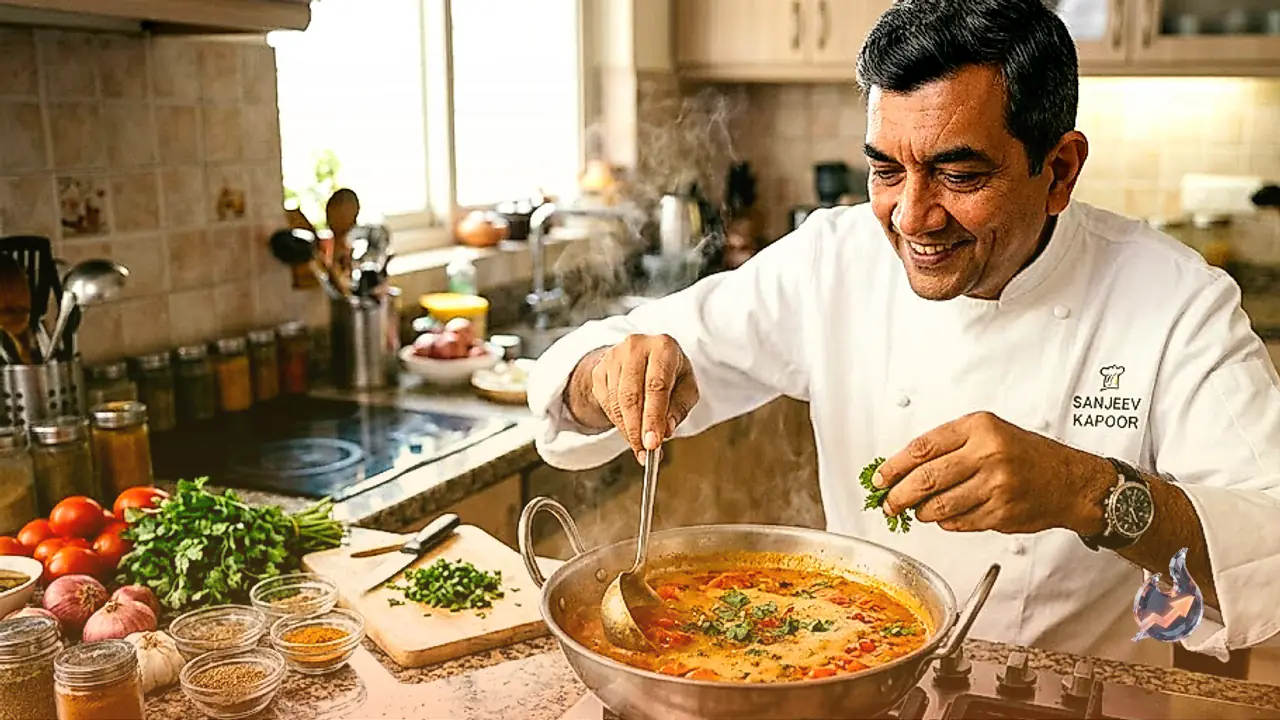
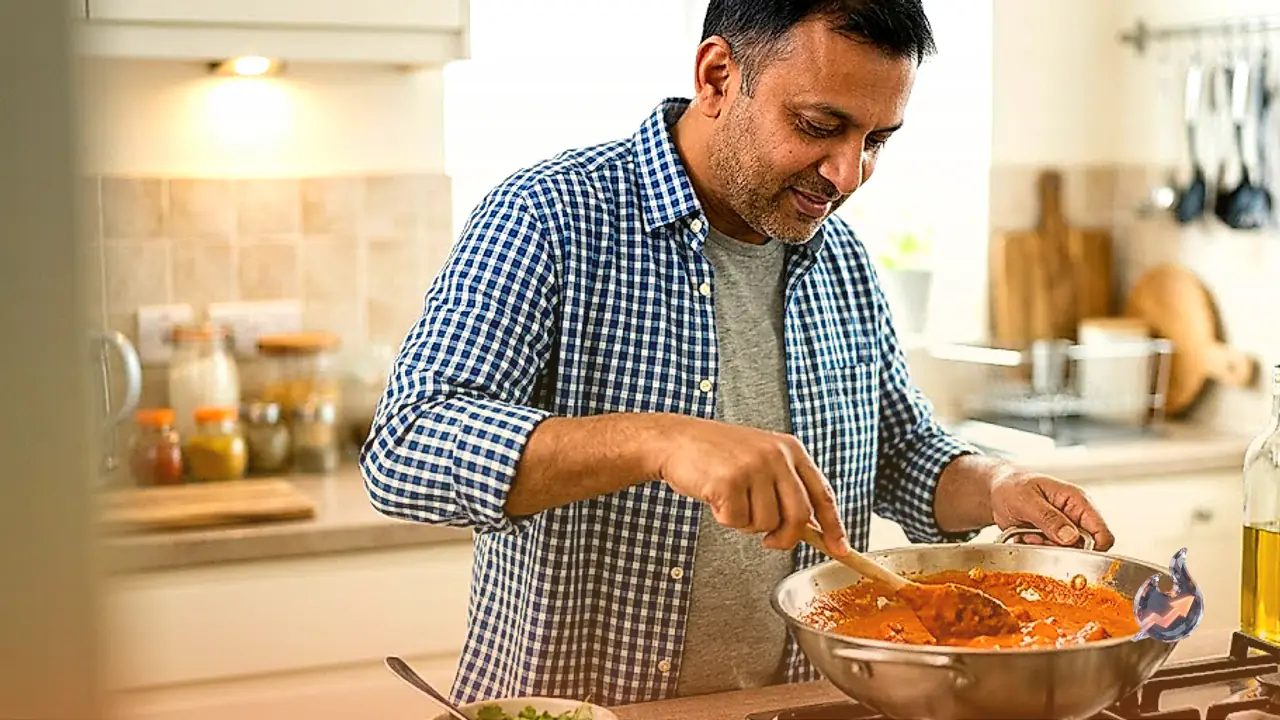
The right time to add salt depends entirely on the type of dish you are preparing. Generally, rather than adding all the salt at once, incorporating it gradually is considered a better approach. This allows you to easily adjust the taste according to your preference. If you are preparing a vegetable dish with a base of onions, tomatoes, and spices, you can add a little salt right at the beginning. This helps the spices and vegetables cook and soften faster. Later on, you can taste the food and increase the salt as needed.
On the other hand, for dry dishes such as potatoes, cauliflower, beans, or other similar vegetables, it is best to add salt slowly. Start with a small amount, and once the vegetable is half-cooked, check the taste and mix in the remaining salt. This keeps the seasoning balanced and prevents over-salting.
Handling Water-Release and Bitterness
Certain vegetables release a significant amount of water while cooking, or require additional liquid to be added. In such scenarios, you must avoid adding too much salt at the outset. As the moisture reduces during cooking, the intensity of the salt can become overpowering. Therefore, it is always wiser to adjust the salt at the very end after tasting the dish.
Additionally, some specific vegetables are treated with salt before the actual cooking process begins, such as bitter gourd and eggplant. This helps draw out their excess moisture, which significantly reduces the bitterness in items like bitter gourd and improves the final outcome.
Why Adding Salt at the Very End is Flawed
If salt is added at the very end after the dish is fully cooked, it fails to dissolve and blend properly throughout the food. As a result, certain bites might taste overwhelmingly salty while others feel completely bland. This is precisely why mixing salt during the cooking phase itself is widely regarded as the proper technique.