






















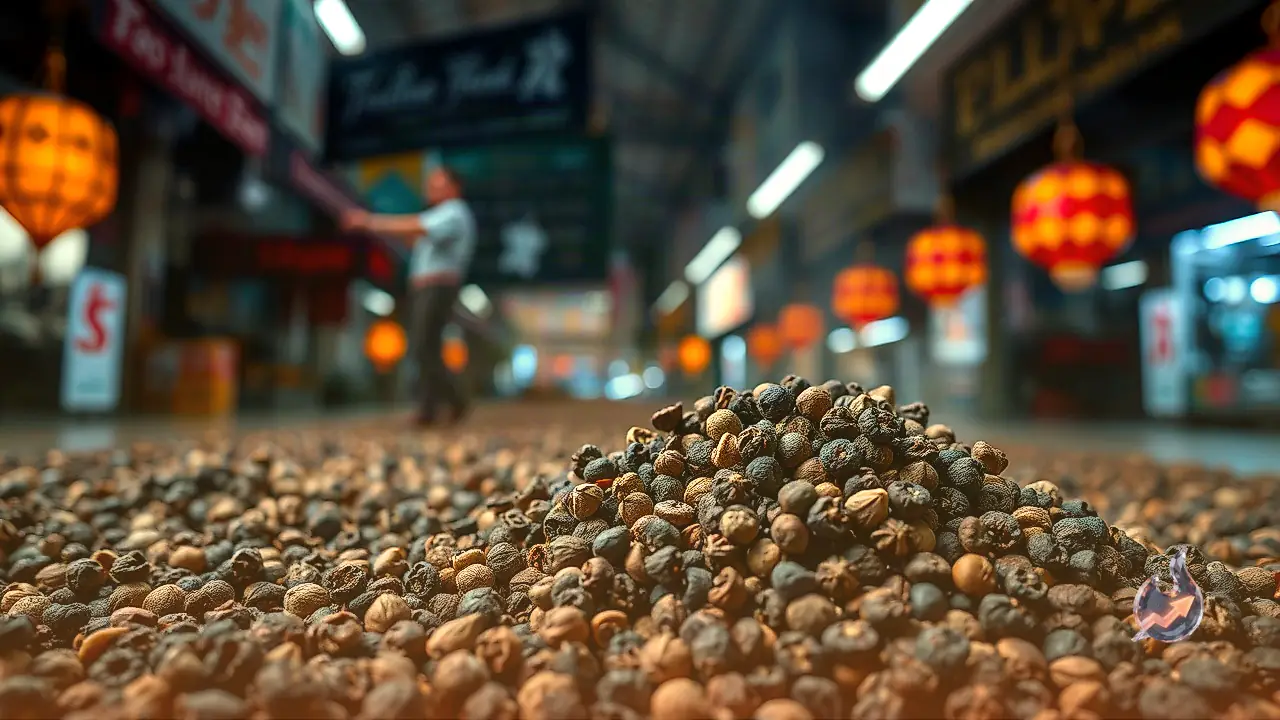

Black pepper holds a crucial place in Indian culinary traditions, celebrated not only for adding a distinct pungent flavor to dishes but also for its wide-ranging health benefits. However, with rising market demand and the urge to maximize profit margins, spice adulteration has become a widespread concern. High-priced whole black peppercorns sold in retail markets are frequently mixed with dried papaya seeds, which closely resemble genuine peppercorns at first glance. Once dried, papaya seeds acquire a dark color that easily deceives unsuspecting consumers. Protecting family health and ensuring food safety requires regular checks on spice purity in everyday kitchens. By adopting simple, practical inspection methods, consumers can effortlessly distinguish genuine black pepper from adulterated samples right at home.
Visual Inspection: Surface Texture, Color, and Shape
Relying solely on a dark color when purchasing whole black pepper from the market can lead to deceptive choices. To perform a reliable quality check, spread a small portion of peppercorns on a white plate or clean white paper under bright lighting. The most defining physical characteristic of authentic black pepper lies in its surface structure. Genuine peppercorns are consistently round and feature a naturally wrinkled, shriveled outer skin created during the drying process. Conversely, dried papaya seeds tend to be relatively smooth and oval or slightly elongated.
A common misconception among buyers is assuming that any dark seed is genuinely black pepper. Dried papaya seeds can display shades ranging from green-brown to dark brown and black. Therefore, evaluating color alone is insufficient; shape and surface texture must be analyzed together. If a batch contains seeds with noticeable structural variations, such as unusually smooth surfaces or elongated shapes, those items should be separated and examined carefully before culinary use.
Aroma Test: Identifying the Distinct Spicy Fragrance
Aroma serves as another decisive indicator when judging spice authenticity and freshness. Authentic black pepper contains natural volatile essential oils that emit a sharp, pungent, and warm spicy aroma. To test this characteristic, place a few peppercorns in the palm of your hand and crush or rub them gently before smelling them closely. Crushing genuine peppercorns immediately releases their strong, unmistakable scent.
If the crushed seeds lack this rich peppercorn fragrance or produce an unusual, earthy smell, adulteration should be suspected. However, odor should not be the sole criterion for a final decision. Combining smell evaluation with visual inspection and tactile texture checks yields the most accurate results. When a seed lacks both the characteristic aroma and the typical wrinkled appearance, discarding that portion is the safest course of action.
Water Immersion Test: Separating Pure Peppercorns from Impurities
The water floatation method is one of the easiest and most definitive home tests for detecting adulterated black pepper. To conduct this test, fill a transparent glass with clean water and submerge a handful of whole peppercorns. Allow the contents to settle for a few minutes without disturbance while observing the movement of the seeds. High-quality, authentic peppercorns possess higher density and weight, causing them to sink directly to the bottom of the glass.
In contrast, dried papaya seeds and hollow or inferior peppercorns are lightweight and float on the water's surface. Collect the floating seeds using a spoon, place them on a dry towel, and inspect their shape and outer texture. Similarly, check the sunken seeds to confirm their uniform quality. This floatation test provides a quick, effective way to segregate adulterants from pure peppercorns in a single step.
Smart Purchasing Habits: Sealed Packaging and Label Verification
Loose black pepper sold in open markets carries the highest risk of adulteration due to the complete absence of regulatory labels or producer accountability. Buyers must rely entirely on visual assessment at the point of sale. To minimize risk, consumers should prioritize purchasing sealed packages from reputable brands. Always examine package details carefully, verifying the batch number, packaging date, component list, and food safety certifications.
Even after purchasing sealed spice packets, performing a quick visual verification at home under good lighting remains a prudent safety measure. Opening the pack and scattering the peppercorns over a bright surface allows any abnormal or mismatched seeds to be spotted immediately. Exercising minor precautions and utilizing these straightforward tests ensures that households consume authentic, high-quality spices while avoiding health hazards associated with adulterated food products.