
























Idli and dosa stand among the most celebrated dishes in South Indian cuisine. Their delicate flavor, soft texture, and light digestibility make them a favorite choice across all age groups. The secret behind the authentic texture of both delicacies lies entirely in a well-fermented batter. A correctly fermented batter ensures that idlis turn out fluffy and spongy, while dosas achieve a satisfying crispiness. Under standard conditions, allowing ground lentils and rice batter to rise naturally requires around 6 to 7 hours. However, when craving strikes unexpectedly or meal plans change on short notice, waiting for hours can feel inconvenient. In such situations, several effective kitchen hacks can accelerate fermentation without adding artificial agents, baking soda, or Eno.
Selecting the Ideal Warm Environment
The microbial process of fermentation thrives in a mildly warm climate. Cold weather or low room temperatures significantly slow down the activity of natural yeasts and beneficial bacteria. To overcome this, place the container holding the batter in the warmest spots available inside the kitchen. Positioning the bowl near an active gas stove or storing it inside an unheated, closed microwave works exceptionally well. The enclosed space inside a microwave shields the batter from drafty air, creating a stable ambient temperature that encourages faster rising.
Utilizing a Pressure Cooker as a Heat Trap
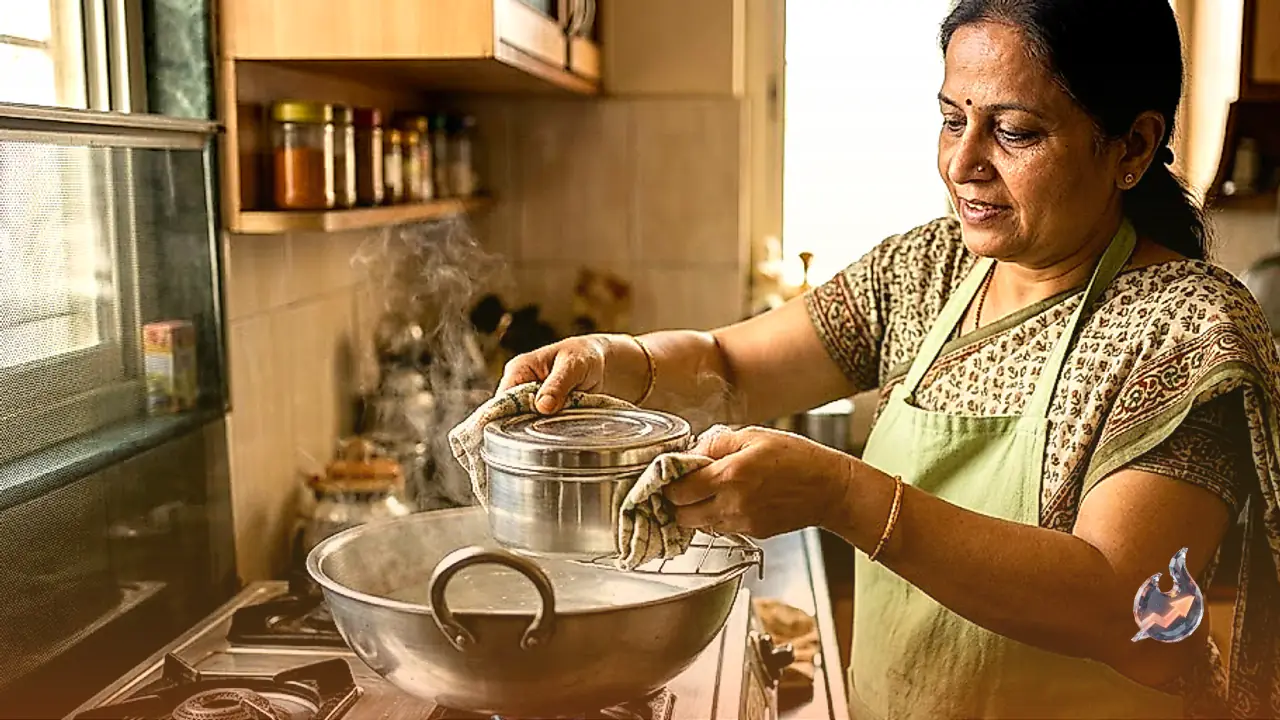
Another ingenious technique for quick fermentation involves using a standard pressure cooker. Transfer the prepared batter into a stainless steel bowl and stir in a small amount of salt. Next, warm an empty pressure cooker on low flame for just a moment until the interior retains mild heat, then turn off the stove completely. Place the steel container with the batter inside the cooker and seal the lid tightly. The trapped residual warmth inside the sealed cooker acts as an incubator, significantly speeding up the microbial fermenting process.
Choosing the Right Vessels and Natural Boosters
The type of vessel used for storing the batter plays a crucial role in maintaining temperature. Stainless steel containers and traditional clay pots are ideal choices because they maintain consistent internal thermal conditions. When time is especially tight, natural culinary boosters can be added directly to the mixture. Stirring in a small spoonful of fresh curd along with a tiny pinch of sugar introduces active lactic acid cultures and feeds the fermenting agents. Alternatively, adding a few drops of fresh lemon juice combined with rock salt can also stimulate faster rising when stored covered in a warm location.
The Value of Natural Fermentation
While these shortcut methods provide a convenient solution during time crunches, natural fermentation remains superior for overall flavor, texture, and health benefits. Allowing the batter to ferment naturally for 6 to 8 hours, or as needed by ambient conditions, yields the best nutritional breakdown and optimal digestive benefits. Therefore, preparing the batter well in advance is always recommended whenever feasible, reserving these quick speed-up tricks strictly for occasions when time is limited.