























Rainy days and evening tea times in Indian households are almost incomplete without a fresh batch of hot, crispy pakodas. However, a common cooking mishap during preparation is accidentally making the batter too thin or runny. A watery batter creates several problems in the kitchen, as the pakodas tend to break apart in hot oil, absorb excessive amounts of oil, and lose their crisp texture as well as their rich flavor. Fortunately, there is no need to throw away a runny batter or start from scratch. By employing a few quick and practical kitchen techniques, you can easily restore the perfect thickness of your batter and fry delicious, crispy snacks.
Common Problems of Thin Batter and Identifying the Right Consistency
Cooking pakodas with an overly watery mixture negatively affects both health and taste. When thin batter is dropped into hot oil, it fails to form a solid coating around the vegetables. Consequently, the ingredients absorb far more oil than necessary, making the snacks greasy and heavy. Moreover, the pieces often separate and disintegrate while frying, leaving burnt particles in the oil.
To avoid these issues, it is essential to understand the ideal batter consistency. Perfect pakoda batter should neither be overly stiff nor excessively runny. When lifted with a spoon, the mixture should pour smoothly and steadily in a thick stream rather than splashing like water. Furthermore, it must coat sliced onions, potatoes, or other vegetables evenly without instantly running off.
Thickening with Gram Flour and Rice Flour
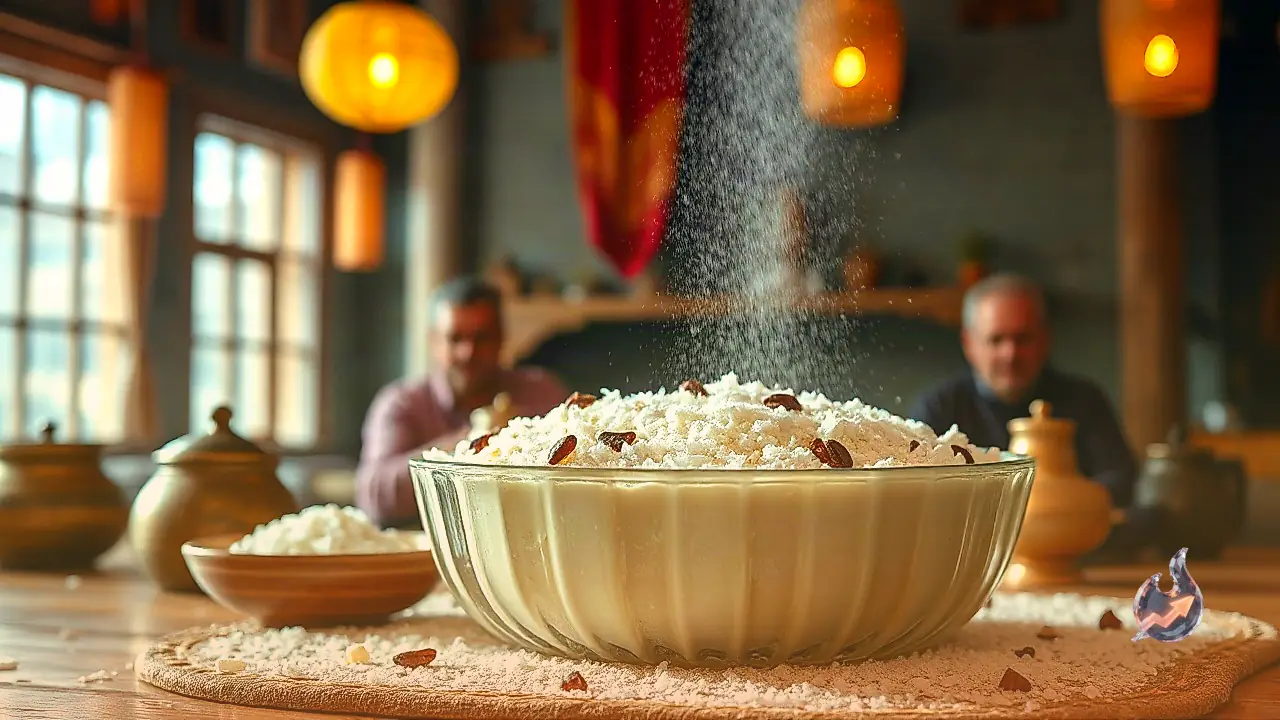
The most straightforward method to fix runny batter is adding a small amount of dry gram flour, commonly known as besan. Instead of dumping a large quantity all at once, sprinkle the flour gradually while stirring the mixture continuously. This step-by-step whisking prevents unwanted lump formation and helps achieve a uniform, smooth texture.
If you want to enhance the crispiness of your snacks while thickening the mixture, rice flour serves as an exceptional choice. Adding 1 to 2 tablespoons of rice flour balances the surplus water content effectively. Rice flour reduces moisture quickly while ensuring that the outer layer of the pakodas turns out remarkably crunchy and golden upon frying.
Using Semolina and Breadcrumbs for Extra Texture
Semolina, or sooji, provides another effective remedy for runny batter. Incorporating a small portion of semolina into the mixture and allowing it to rest for 10 minutes works wonders. As semolina sits, it absorbs the excess moisture and swells up, naturally bringing the batter back to its desired consistency while adding a delightful grainy crunch to every bite.
When the batter turns extremely thin and watery, breadcrumbs offer a quick binding solution. You can easily prepare fresh breadcrumbs by grinding available bread slices in a blender. Mixing these crumbs into the runny batter rapidly absorbs excess liquid, making it a reliable option for extreme kitchen emergencies.
Resting the Mixture and Key Kitchen Precautions
In many instances, gram flour simply requires some extra time to absorb water completely. When freshly mixed, the batter might appear lighter and more fluid than intended. Before adding additional dry ingredients, cover the bowl and let the mixture sit undisturbed for 10 to 15 minutes. In many cases, the batter thickens naturally on its own after resting, requiring no further additions.
While adjusting the consistency, always remember to add dry ingredients incrementally. Adding too much flour or semolina at once can render the batter excessively dense and doughy, leading to hard pakodas. Checking the texture after every small addition ensures optimal results.