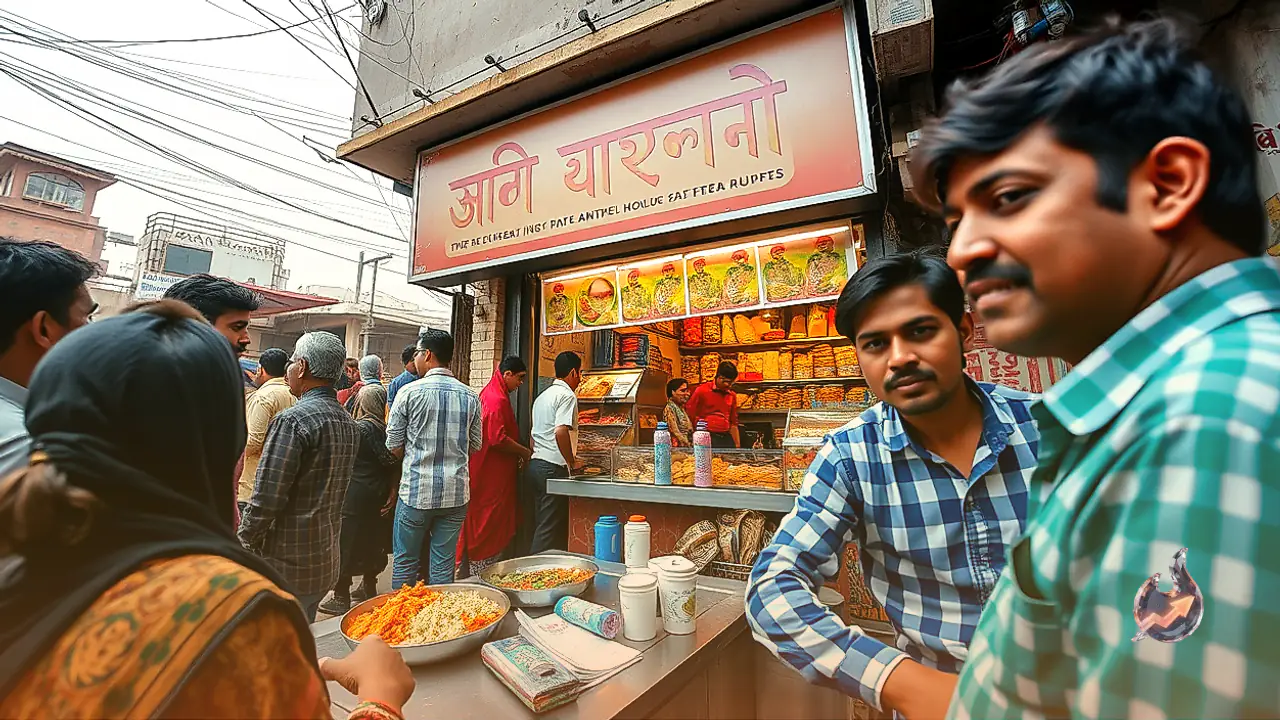

























Slow-cooked clay pot meat preparations hold a revered place in traditional North Indian culinary heritage. In the city of Gorakhpur, Uttar Pradesh, the long queues from morning until evening at Adalat Handi Mutton House demonstrate the immense popularity of this regional rustic delicacy. The distinct appeal of authentic handi mutton does not rely on exotic or overly complicated ingredients. Instead, its signature depth comes from the pungent warmth of mustard oil, the fragrance of whole garam masala spices, and the patience of simmering meat over low heat until it turns completely tender. By mastering a few fundamental steps and sticking to traditional ratios, anyone can recreate this rich restaurant-style delicacy in a home kitchen.
Preparation and Meat Marination
The journey to an exceptional handi mutton starts with the right preparation of the meat. Begin with one kilogram of fresh mutton, washing it thoroughly under running water and draining every bit of excess liquid. Removing excess moisture is essential because it allows the marinade to coat the meat evenly without diluting the spices. Transfer the mutton into a wide mixing bowl and add one cup of plain yogurt. Follow this with two tablespoons of ginger-garlic paste, one teaspoon of turmeric powder, one teaspoon of red chili powder, one teaspoon of coriander powder, and salt adjusted according to personal taste.
Work the marinade thoroughly into the mutton pieces using your hands so that every single cut is well coated. Once thoroughly blended, cover the bowl and set it aside to marinate for at least 30 minutes to one full hour. This resting window allows the lactic acid in the curd and the enzymes in the aromatics to begin breaking down tough muscle fibers, ensuring the finished meat remains exceptionally soft and infused with flavor down to the bone.
Tempering Whole Spices and Browning Onions
While the mutton rests in its marinade, prepare the cooking vessel. An authentic unglazed earthenware clay pot (handi) imparts an earthy aroma and maintains steady heat, though a heavy-bottomed metal pan or stockpot serves as an effective alternative to avoid scorching. Place the vessel on the stove and pour in three to four tablespoons of pure mustard oil. Allow the mustard oil to heat up thoroughly until it reaches its smoking point, which mellows its raw pungency while retaining its characteristic punch.
Into the shimmering hot oil, introduce the whole spices: one bay leaf, a piece of cinnamon stick, one black cardamom pod, two to three green cardamoms, whole cloves, whole black peppercorns, and one teaspoon of cumin seeds. Sauté these whole aromatics until they crackle and release their fragrant essential oils into the fat. Immediately add three to four finely chopped onions. Sauté the onions patiently over medium heat until they turn a deep, golden-brown shade. Achieving this rich caramelization is crucial, as browned onions form the primary base for the gravy's dark rustic color and natural sweetness.
Building the Gravy Base and Searing the Meat
Once the onions reach a golden hue, add finely chopped green chilies and a small additional touch of ginger-garlic paste. Sauté the aromatics for one to two minutes until the raw smell completely disappears. Next, incorporate two to three finely chopped ripe tomatoes into the vessel. Continue stirring and cooking until the tomatoes break down completely into a smooth paste and oil begins separating from the edges of the masala.
With the spice base fully cooked, add the marinated mutton along with all its juices into the vessel. Turn the heat up to high and sear the mutton actively for several minutes. Keep stirring continuously during this searing phase so that the spices do not stick or burn at the bottom of the pot. This high-heat searing locks in natural juices while encouraging the rich onion-tomato paste to cling tightly to each piece of meat.
The Slow Cooking Process
Once the mutton is evenly seared and fragrant, pour in warm water according to desired gravy consistency. Always use warm or hot water rather than cold water to maintain an even cooking temperature inside the pot. Cover the vessel tightly with its lid. Reduce the burner heat to the lowest setting immediately, allowing the meat to simmer gently rather than boil rapidly.
Let the mutton cook undisturbed on low heat for roughly 45 minutes to one full hour, or until the meat reaches fork-tender softness. Check occasionally by lifting the lid every 10 to 15 minutes to give the contents a gentle stir. If the gravy thickens too rapidly before the meat is fully done, splash in a little more hot water. This prolonged, gentle braising allows the meat fibers to absorb every nuance of the spices while producing a thick, flavorful sauce.
Finishing Touches and Serving Suggestions
When the meat is completely tender and a shimmering layer of spiced oil floats across the surface of the gravy, it is time for the final seasoning. Sprinkle in one teaspoon of roasted cumin powder, one teaspoon of garam masala, and a pinch of crushed dried fenugreek leaves (kasuri methi). Stir well and allow the pot to simmer on gentle heat for another two to three minutes so the delicate finishing aromas settle into the gravy. Turn off the flame and garnish generously with freshly chopped coriander leaves.
Serve this homestyle Gorakhpur handi mutton piping hot alongside tandoori roti, soft tawa rotis, naan, parathas, or simple steamed basmati rice. Complete the dining experience by accompanying the dish with thinly sliced raw onions, green chilies, and fresh lemon wedges on the side. With simple kitchen staples, traditional patience, and proper technique, this classic recipe delivers unmatched regional dining pleasure.