




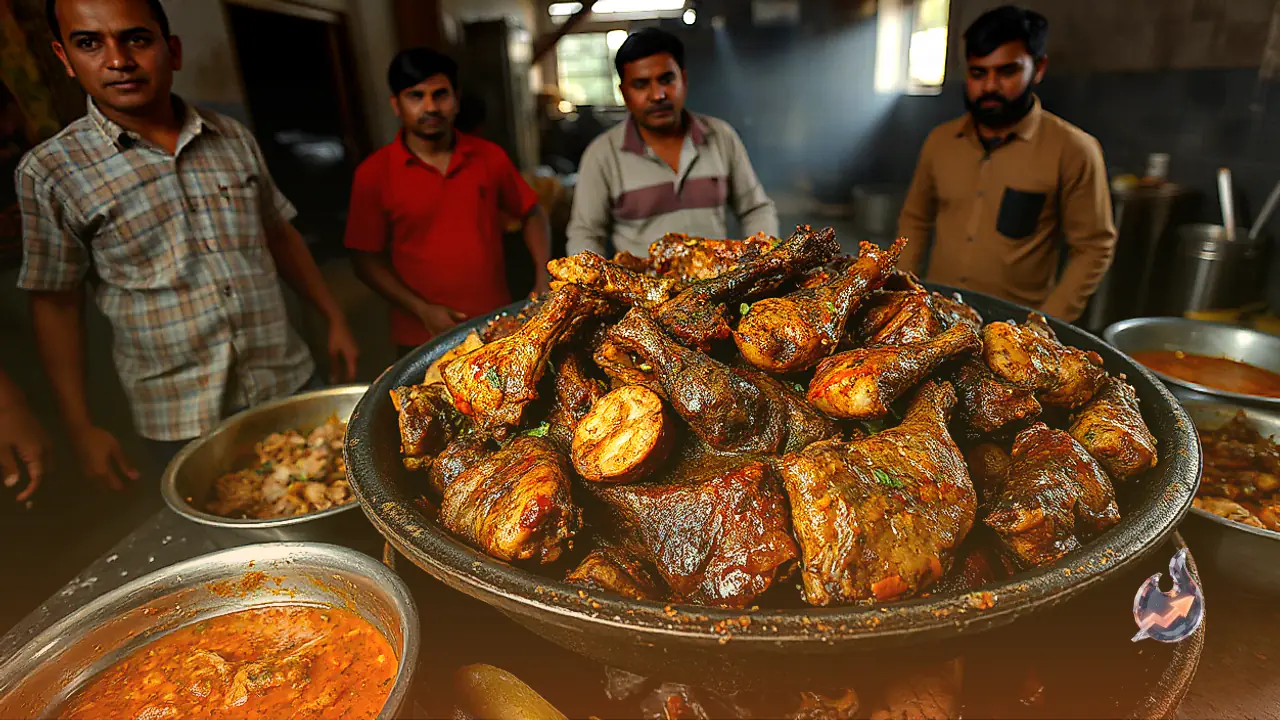
















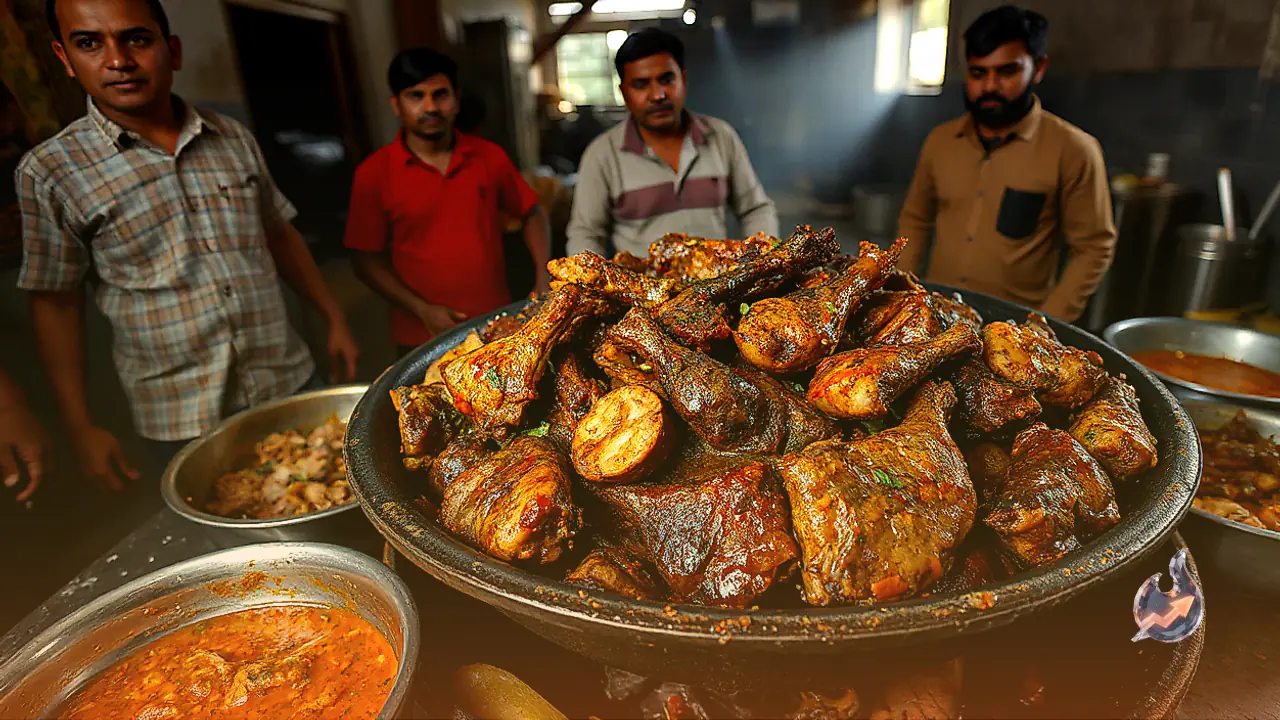

The signature appeal of traditional Dehati mutton lies far beyond its spice mix; it comes from the age-old cooking method preserved across regional kitchens. Roasting mutton patiently over gentle heat inside a heavy iron kadai gives the dish its famed deep mahogany tone and deeply roasted flavor profile. Recreating this authentic rustic curry at home requires no complicated modern equipment, but it does demand considerable kitchen patience. The secret to success lies entirely in honoring each stage of roasting, ensuring that the meat and spices slowly caramelize together without taking shortcuts.
Essential Ingredients and Measurements
Preparing this authentic feast calls for precise proportions to achieve the right balance of heat, richness, and consistency. You will need 1 kg of fresh mutton, half a kilogram of finely sliced onions, 250 grams of pure mustard oil, 150 grams of ginger paste, and 200 grams of garlic paste. Alongside these core items, gather a handful of green chilies, whole bay leaves, coarse black pepper powder, red chili powder, turmeric powder, plain salt to taste, pure desi ghee, and fragrant garam masala. Using homemade or cold-pressed mustard oil, if available, elevates the traditional character of the preparation significantly.
Preparing the Kadai and the Initial Searing Stage
Begin by setting a clean, heavy iron wok over a stove flame until it is thoroughly heated. Once the surface is hot, pour in 250 grams of mustard oil and allow it to reach smoking point so that raw pungency burns off. At this stage, sprinkle a splash of asafoetida-infused water into the oil, an old trick that cuts the sharp edge of mustard oil and creates a mellow base. In a departure from standard curry routines, the mutton goes straight into the hot oil before adding any onions. Stir the meat continuously, searing and roasting it for about 10 to 20 minutes. Next, add turmeric powder and continue stirring and roasting for another 20 minutes, letting the meat absorb the golden color and eliminating any raw aromas.
Layering Onions, Pure Ghee, and Aromatic Pastes
While the wok can be covered intermittently, frequent stirring remains essential to prevent the mutton from sticking to the iron bottom. Once the turmeric has coated the meat thoroughly, introduce the half kilogram of sliced onions. Cook everything together for roughly 10 minutes. As the onions soften and turn translucent while the meat releases its natural juices, stir in the pure desi ghee. The addition of ghee introduces rich moisture and a round aroma that softens the assertiveness of the iron skillet. Continue roasting for another 20 minutes so the fats meld into the meat fiber. Following this, add 200 grams of garlic paste and 150 grams of ginger paste, stirring constantly for 15 to 20 minutes. Sprinkle red chili powder to taste and roast for an additional 15 to 20 minutes over controlled heat.
Simmering and Achieving the Perfect Tenderness
Carefully managing the flame throughout this stage protects the dry ground spices from scorching. Once the meat starts softening and the spice masala begins releasing oil, mix coarse black pepper powder into a little water and pour the slurry into the wok. Cook the mixture for 15 to 20 minutes with steady stirring. Add salt to taste, ensuring all spices coat the mutton evenly. Pour in the required quantity of warm water to form the gravy, cover tightly, and allow the meat to simmer until completely tender and pulling away from the bone. Uncover occasionally to stir from the bottom. Finish by scattering aromatic garam masala over the gravy, mix gently, and take the wok off the stove.
Serving Traditions and the Deoghar Legacy
Cooking this rustic mutton in an iron vessel yields an unmistakably dark hue, a deeply roasted aroma, and rich pan juices that define the Deoghar style. This robust curry pairs naturally with steaming boiled rice or fresh flat rotis straight off the griddle. Even though completing all the steps takes nearly two and a half hours from start to finish, the melt-in-the-mouth texture and layered savoriness make every minute well spent. Whether planning a festive holiday menu or gathering family for a comforting weekend meal, this time-tested method brings authentic rustic tradition right to the dining table.