




















Earning a livelihood often demands significant personal compromise, yet few professions alter the rhythm of everyday domestic life as drastically as long haul freight transport. While factory laborers and office employees typically complete their shifts and return home to their spouses and children each evening, commercial vehicle operators navigate an entirely different existence dictated by non stop transit schedules.
Hundreds of Trucks Converge on Maranga Industrial Zone
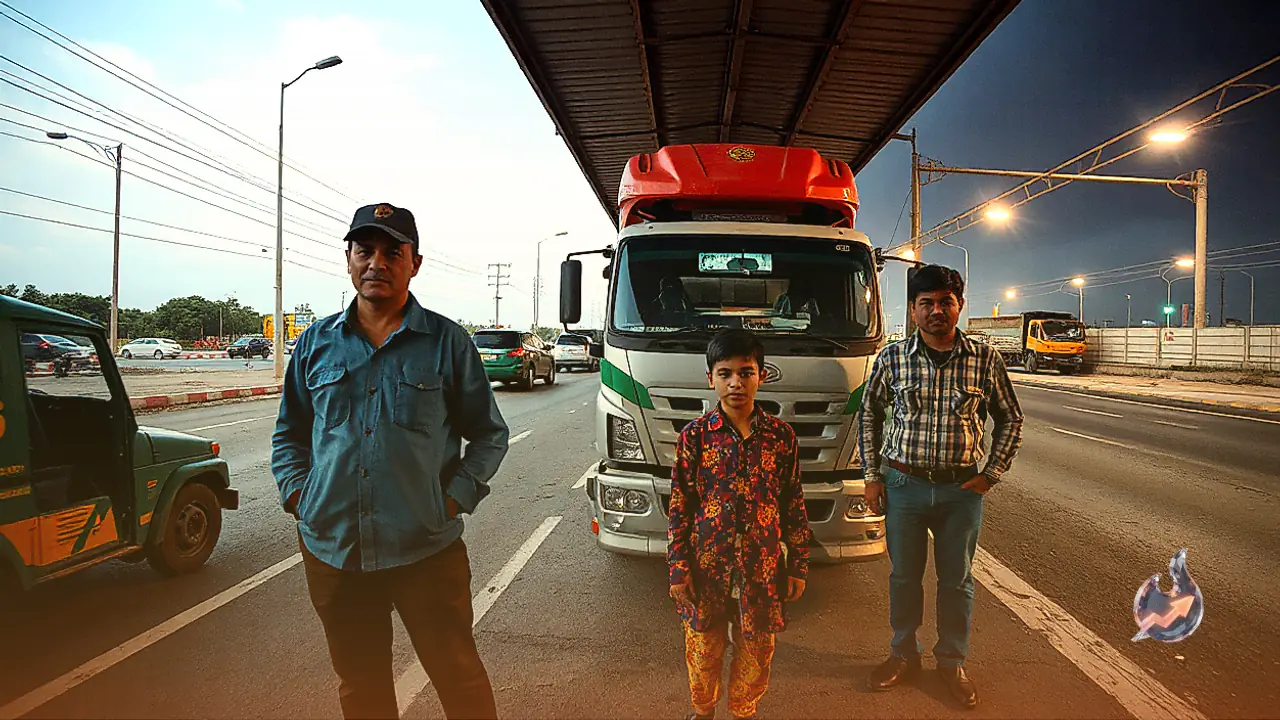
In the Maranga area of Purnia, numerous large factories and manufacturing facilities produce a wide spectrum of lifestyle goods and essential daily consumer commodities. Because of this continuous industrial activity, hundreds of heavy commercial vehicles remain parked across the factory complex on a daily basis. Local transport workers operating in this transit hub detailed the mechanics of their routine and the personal cost of keeping trade routes running.
Two Month Tours and Unpredictable Halts
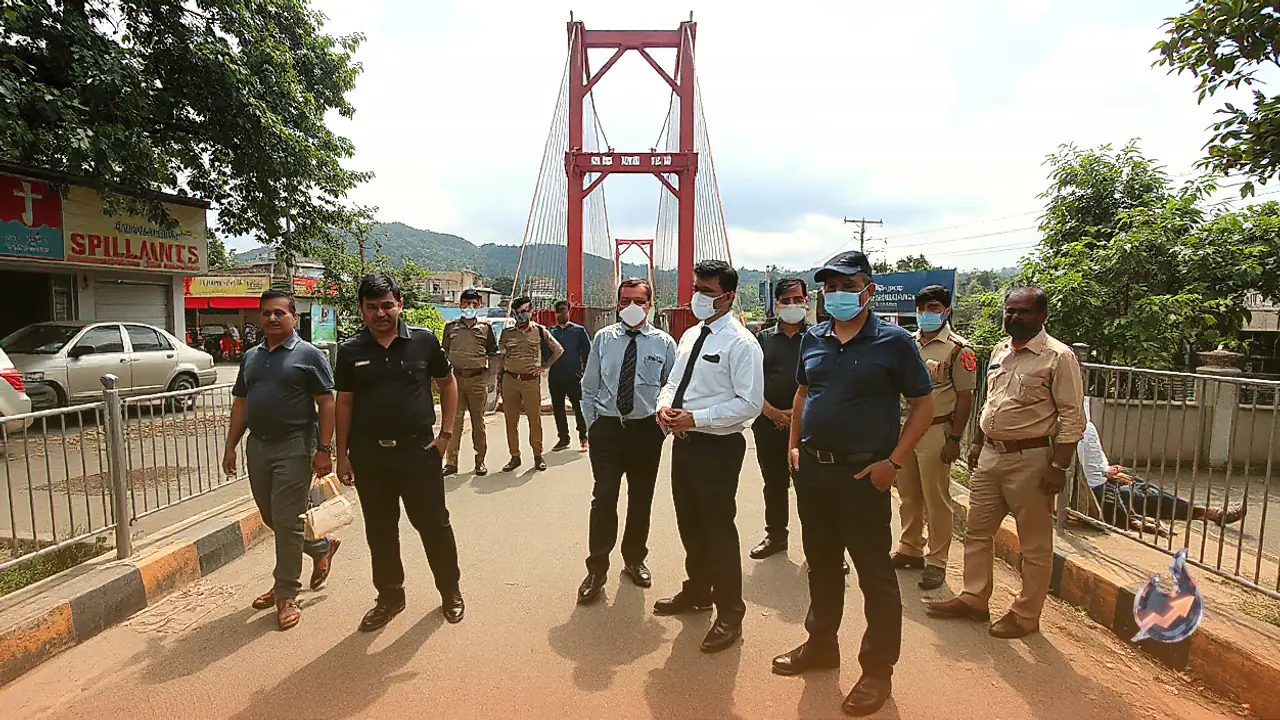
Drivers stationed on site, including Anil Kumar, Lav Kush Gupta, Suraj Kumar, and Gyanendra Paswan alongside their fellow crew members, noted that their duty enforces continuous physical separation from spouses, children, relatives, and friends. Journeys frequently extend into gruelling two month tours across vast distances. Throughout these cross country assignments, the crew rarely knows in advance where dusk will find them or along which remote highway shoulder they will be forced to park for the night.
Roadside Cooking and a Cabin That Serves as Home
Daily maintenance on the road involves converting the roadside into a temporary camp. Drivers pull over on the edge of the asphalt, set up makeshift stoves to prepare their meals, and utilize the vehicle cabin for sleep and rest. When homesickness takes hold, contact is limited to a brief phone call home to exchange updates before duty compels them to start the engine once again. For these operators, the vehicle itself functions as kitchen, bedroom, and workstation, where every waking hour is oriented solely around keeping the cargo moving forward.