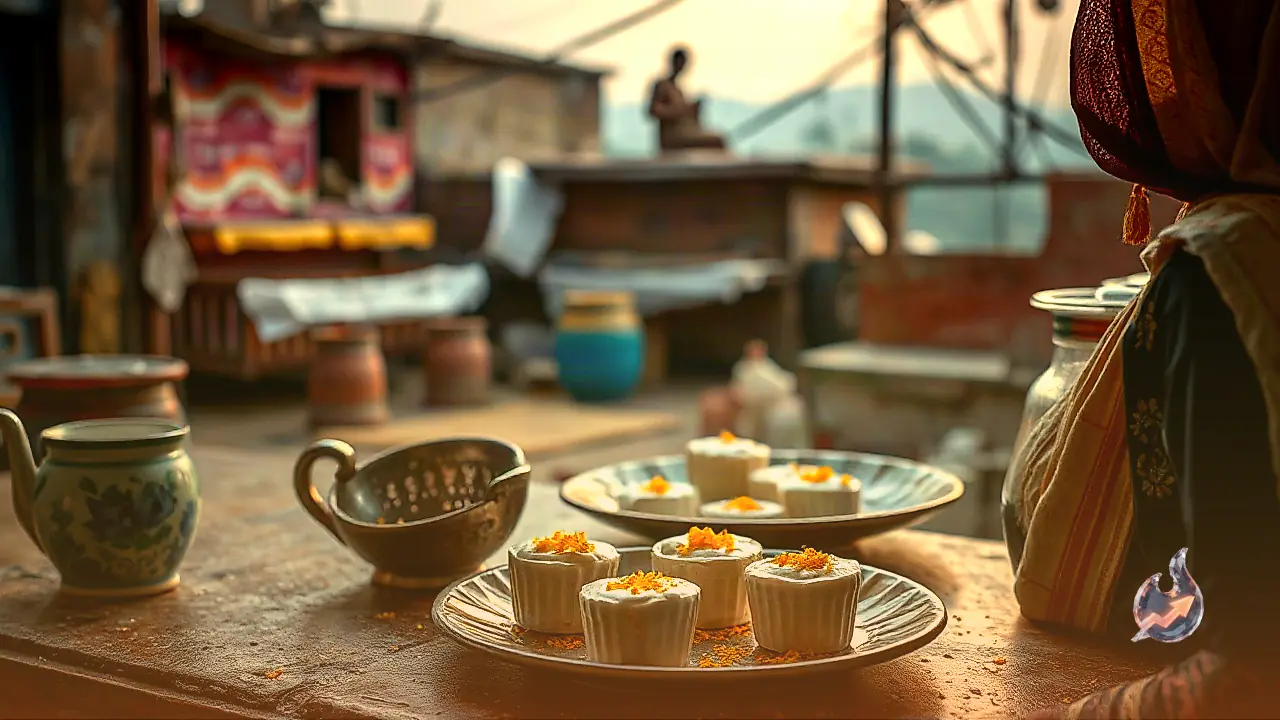






















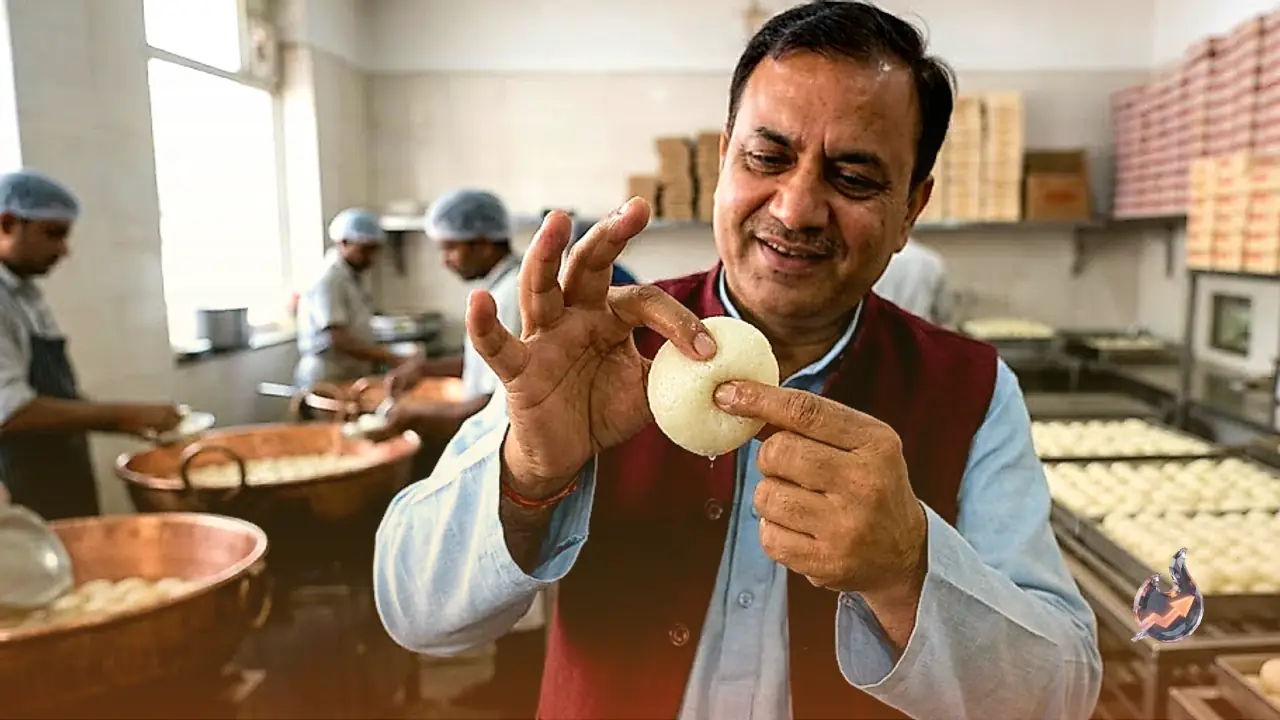

The city of Bikaner has long held a distinct identity across the nation for its savoury bhujia and namkeen, but its unique spongy rasgulla is currently conquering the hearts of sweet lovers everywhere. Unlike ordinary sweets, this special delicacy is soft as cotton and heavily loaded with syrup, melting the moment it reaches the mouth. The defining characteristic that sets it completely apart from regular rasgullas is its remarkable physical texture. If you press this sweet tightly between your fingers, it does not crumble; instead, it bounces back to its perfectly round and puffed shape within mere seconds.
High Demand Across the Nation
This remarkable spongy quality is exactly what draws people from far and wide to visit Bikaner just to taste this specific treat. According to local sweet merchant Rameshwar Lal Godara, the craving for this dessert never dips, maintaining strong demand throughout the entire year. The customer base is not limited to local residents alone. Huge orders continuously pour in from various other cities within Rajasthan as well as multiple states across the country. In fact, this Bikaneri dessert is regularly dispatched to major metropolitan hubs like Kolkata and Mumbai to satisfy the cravings of customers there.
Pricing and Business Growth
Despite its massive popularity and nationwide reach, the sweet remains quite accessible. Godara notes that the current price of this spongy rasgulla stands at around 280 rupees per kilogram. The daily production cycle is incredibly efficient, with almost every single piece prepared during the day selling out before closing time. For massive gatherings, weddings, and special celebratory events, customers place their orders well in advance to ensure supply. The sheer volume of these sales has pushed the annual business of this single sweet into the realm of crores of rupees. To keep up with this constantly rising nationwide demand, makers are actively increasing their production capacity.
Storage and Transport
Shipping a delicate dairy-based sweet across states requires careful handling. The merchant explains that this specific rasgulla has a shelf life of two days before it risks spoiling. When batches are exported to outside cities, they are strictly kept in cold storage or refrigerators. This temperature control ensures that the product completely maintains its original quality, freshness, and signature spongy bounce by the time it reaches the end consumer.
The Meticulous Making Process
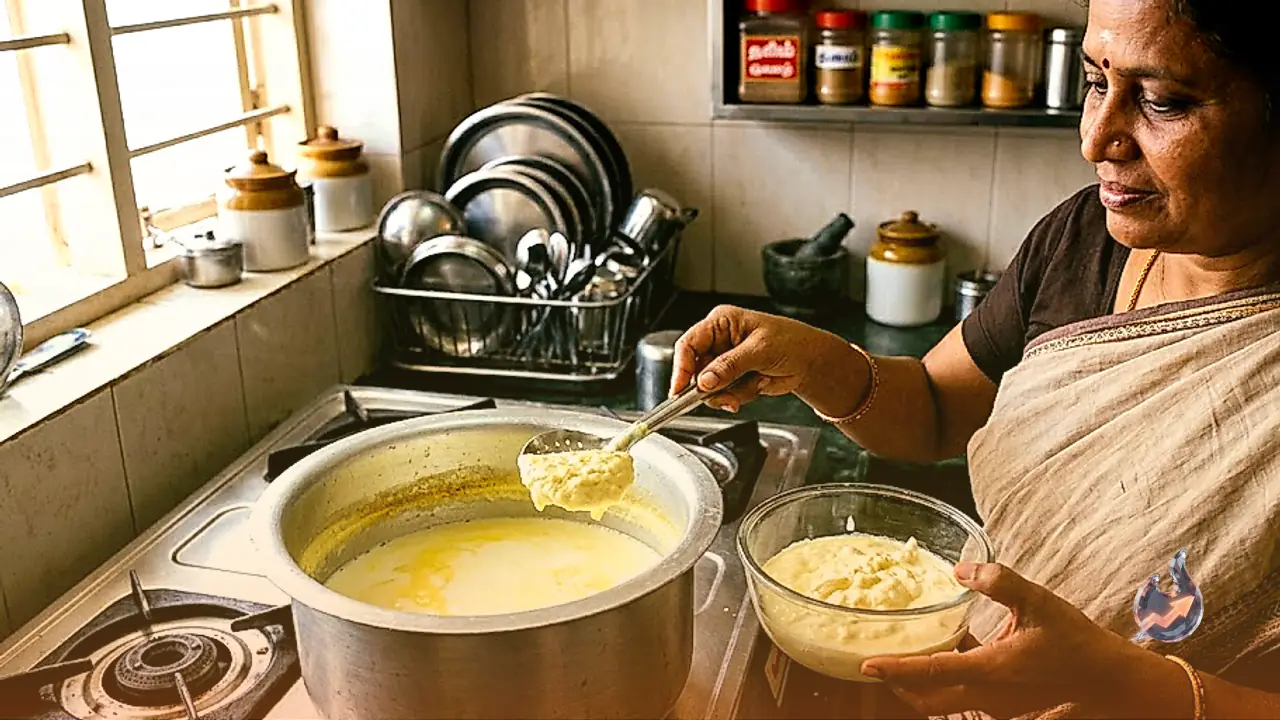
Creating this bouncy texture is not an easy task and requires immense caution. Godara points out that only highly experienced artisans can craft this dessert perfectly, as even the slightest negligence can completely ruin the entire batch and waste hours of hard work. The meticulous process begins with taking pure milk and heating it thoroughly. The hot milk is then carefully curdled to produce fresh chenna. Once the chenna is ready, it is strained rigorously to remove all excess water content.
From Dough to Final Product
The next phase requires significant physical effort. The strained chenna is continuously mashed and kneaded by hand for a long period until it forms an extremely soft dough. Artisans then take this smooth dough and roll it into small, perfectly spherical balls. These raw pieces are then cooked in a specially proportioned, thin sugar syrup. Even after the cooking process is complete, the sweets are left to soak in that same light syrup. This final step is crucial, as it ensures the inside of the dessert retains enough liquid to maintain its unique bouncy, spongy structure.