
























Deciding what to prepare for breakfast every morning is a common daily dilemma in many households. Sometimes there is simply not enough time in the rush of the morning, while on other days you might just want a break from the routine poha, upma, and parathas. In such moments, this nutritious breakfast recipe made from flattened rice, semolina, and curd can prove to be a wonderfully useful solution. The best part about making this dish is that it requires very minimal oil, and you can easily incorporate whatever vegetables you happen to have on hand. Preparing this delicious morning meal begins by washing the flattened rice and soaking it along with semolina and fresh curd.
After the initial soaking, the ingredients are blended together to form a smooth batter, which is then mixed with lightly sautéed vegetables. Cooking the pancakes slowly on a low flame with a lid on ensures they stay soft and tender on the inside while acquiring a pleasant, light crispness on the outside. From packing in children's school tiffin boxes to enjoying them with morning tea, these versatile pancakes can be served in a variety of delightful ways.
The Poha, Semolina, and Curd Base
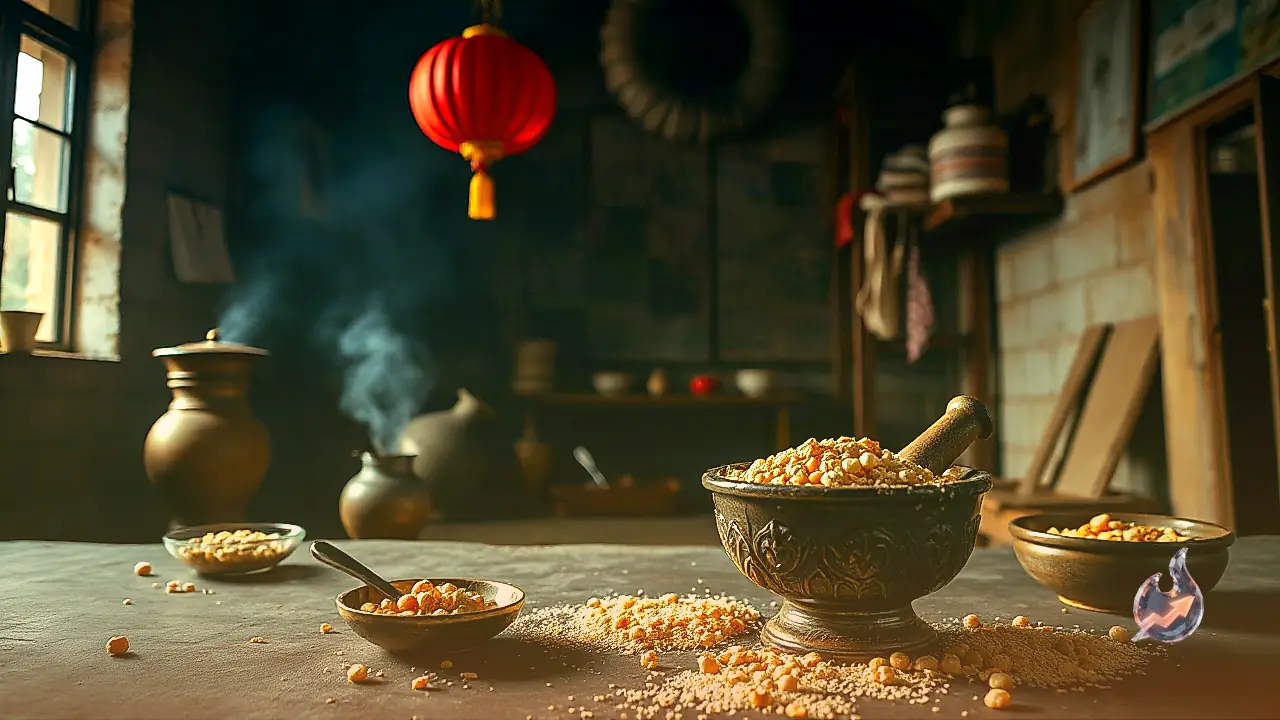
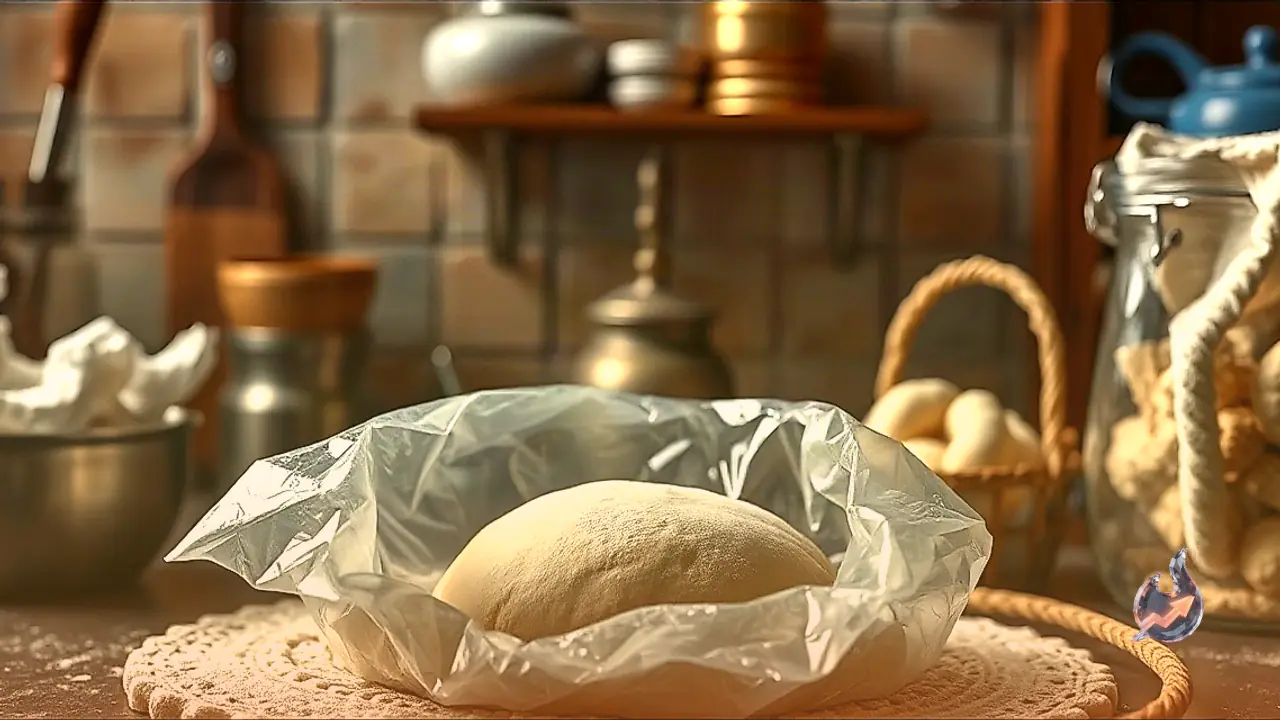
To begin preparing this wholesome breakfast, take one cup of flattened rice and rinse it thoroughly twice with clean water. Next, add half a cup of semolina and half a cup of fresh curd to the washed rice, mixing everything together properly. Ensure that the curd you use is not overly sour. Cover the mixture and let it sit undisturbed for about 8 to 10 minutes, during which time the flattened rice and semolina will absorb the moisture from the curd and soften completely. Afterward, transfer the mixture into a blender jar, add two to three tablespoons of water as needed, and grind it into a fine consistency. Pour the prepared batter into a bowl and mix in salt according to your taste preferences. Keep the consistency of the batter similar to that of dosas or uttapams. A batter that is too runny will make it difficult to spread the pancakes into neat shapes, whereas a mixture that is too thick will prevent the inside from cooking evenly.
Adding Flavor and Color with Vegetables
To enhance the flavor and visual appeal of the dish, heat about a small teaspoon of oil in a pan and add half a teaspoon of cumin seeds. Once the cumin seeds begin to crackle, toss in finely chopped onions, green chilies, bell peppers, and grated carrots. Sauté these vegetables over high heat for just 1 to 2 minutes, as they do not need to be cooked or softened completely. Mix these lightly sautéed vegetables directly into the prepared batter. Along with them, add a little finely chopped fresh coriander leaves, which will not only boost the overall taste but also impart a vibrant and appealing color. If you prefer, you can also add green peas, sweet corn, or any other seasonal vegetables based on their availability in your kitchen.
Adding Baking Soda for a Spongy Texture
To make the pancakes light and spongy, stir a single pinch of baking soda or a small amount of fruit salt directly into the batter just before you are ready to cook them. Avoid overmixing the batter after adding the rising agent; gently stirring it in one direction is quite sufficient. It is always best to use the batter immediately after adding the soda rather than letting it sit for a long period.
Cooking and Serving the Delicious Pancakes
Next, heat a non-stick pan or flat griddle and grease it lightly with oil. Pour two large tablespoons of the batter onto the surface and use the back of a spoon to shape it into a small, neat circle. Do not spread it out too thinly. Cover the pan with a lid and let it cook on a low flame for approximately 2 to 3 minutes. Once you remove the lid and notice that the top surface appears dry and the edges look slightly cooked, carefully flip the pancake over. Cook the other side on medium heat for another 1 to 2 minutes, adding a tiny drop of oil around the edges if necessary. Once both sides turn a light golden brown, your pancake is ready to be served.
These hot and fresh poha and semolina pancakes can be paired wonderfully with peanut chutney, fresh coconut chutney, or a spicy tomato and garlic chutney. When you are pressed for time in the morning, this recipe is extremely convenient because preparing the batter and vegetables does not consume an excessive amount of time. The greatest advantage is that the amount of oil can easily be adjusted to match your dietary preferences. By utilizing leftover vegetables from your refrigerator, you can make this dish even more flavorful. It is essentially the same everyday ingredients reimagined with a slightly different technique and an entirely fresh taste.