























As the auspicious month of Sawan begins, households across India welcome traditional rituals, fasts, and wholesome satvik culinary practices. Sustaining energy levels and maintaining seamless digestion become essential priorities during fasting periods. However, sticking to routine fasting staples like sago khichdi, boiled potatoes, or buckwheat fritters can often lead to culinary monotony. For those seeking to inject a vibrant, spicy, and satisfying twist into their fasting menu, Thecha Samak Khichdi offers a refreshing alternative. This dish masterfully fuses the light, digestible nature of barnyard millet with the fiery, aromatic crunch of a Maharashtrian-style green chili and peanut paste.
Health Benefits of Barnyard Millet During Fasting
Barnyard millet, widely recognized as Samak rice in Indian kitchens, stands out as one of the most nutrient-dense grain substitutes utilized during fasts. Botanically classified as a seed of wild grass rather than a true cereal grain, it fully aligns with strict satvik dietary guidelines followed during religious observances. The primary advantage of Samak rice lies in its exceptional lightness. It digests easily without burdening the stomach or inducing sluggishness. Furthermore, its complex carbohydrates and dietary fiber release energy gradually, ensuring sustained fullness throughout long fasting hours. Incorporating Samak rice into meals during Sawan, Navratri, Ekadashi, and other fasting occasions delivers an optimal balance of nutrition and taste.
Essential Ingredients and Measurements
Creating this flavorful and comforting khichdi requires basic kitchen pantry items that come together seamlessly. Precise measurements ensure that the millet cooks to a light, fluffy consistency. Below is the complete ingredient list
- Samak Rice: 1 cup (thoroughly washed and drained)
- Sendha Namak (Rock Salt): 2 tablespoon (or adjusted to taste)
- Garlic: 3 cloves (optional, to be included only if your specific fasting traditions permit garlic consumption)
- Green Chillies, Peanuts, and Fresh Coriander: For grinding the fresh thecha mixture
- Tempering Base: Pure desi ghee and whole cumin seeds
- Water: Hot water sufficient for simmering the millet on a low flame
Preparing the Spicy Green Chili and Peanut Thecha
The defining element of this preparation is its freshly pounded thecha paste. While standard fasting khichdi relies primarily on simple black pepper or cumin, this paste introduces a bold flavor dynamic. To prepare the thecha, combine green chillies, roasted peanuts, fresh coriander leaves, and 3 garlic cloves (if allowed in your fast). Pulse these ingredients together in a mortar and pestle or a blender without adding any water. The objective is to achieve a coarse texture rather than a smooth puree, retaining small bits of peanuts and chillies to provide a satisfying crunch in every bite.
Step-by-Step Cooking Process in a Kadhai
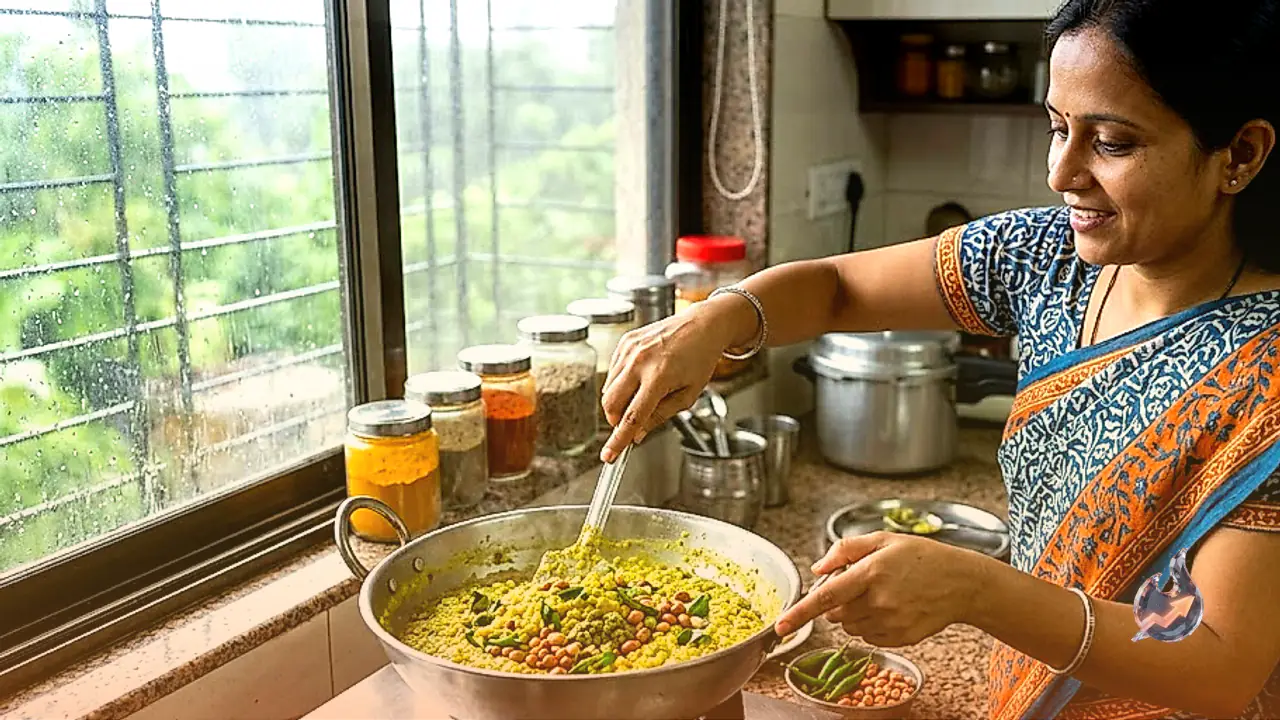
The cooking procedure is quick and straightforward. Begin by placing a heavy-bottomed pan or kadhai over medium heat and melting pure desi ghee. Once the ghee is hot, toss in whole cumin seeds and allow them to crackle. Immediately add one tablespoon of the prepared thecha paste into the hot ghee. Sauté the mixture for a few seconds, letting the earthy aromas of roasted peanuts and green chillies infuse thoroughly into the cooking fat.
Next, introduce the washed Samak rice into the pan. Stir gently on low-to-medium heat for approximately two minutes. Gently roasting the millet alongside the infused ghee enhances its nutty flavor and prevents the cooked grains from becoming sticky. After two minutes of roasting, pour in hot water and add 2 tablespoon of sendha namak. Stir all ingredients well, cover the pan with a lid, and reduce the heat to low.
Simmering to Perfection and Serving Technique
Allow the khichdi to cook undisturbed on a low flame for 10 to 12 minutes. During this period, the Samak grains absorb the hot liquid completely, becoming tender and fully cooked. Once all moisture has evaporated and the grains are soft, turn off the heat. Remove the lid and use a fork to gently fluff the khichdi, separating the grains to maintain a light texture.
To serve, plate the hot khichdi and top it with an extra spoonful of fresh thecha along with a teaspoon of warm desi ghee. The combination of steaming millet, aromatic ghee, and fresh spicy paste elevates the visual and culinary appeal of the meal.
Flavor Adjustments and Ideal Serving Pairings
This recipe accommodates varying spice preferences effortlessly. For those who prefer a milder heat profile, simply reduce the number of green chillies in the thecha mixture. Conversely, enthusiasts of robust spicy flavors can increase the proportion of thecha added to the pot. Using ghee generously is highly recommended, as it tempers the sharp bite of green chillies while adding rich aroma. If your household abstains from garlic during fasts, omit it entirely; a paste made solely of green chillies, roasted peanuts, and coriander delivers outstanding flavor.
While the khichdi is a satisfying meal on its own, it pairs wonderfully with traditional side dishes. Serve it alongside chilled fresh curd, roasted cumin peanut raita, or a mild fasting potato curry. The cooling contrast of yogurt balances the spicy kick of the local green chili paste, creating a harmonious plate.
A Nourishing Comfort Meal for Monsoon and Sawan
The month of Sawan coincides with rainy weather and cooler temperatures. Enjoying a hot, ghee-glistening bowl of Samak khichdi provides instant warmth and comfort to the digestive system. Because the dish requires minimal active preparation and cooks within 10 to 12 minutes, it fits easily into busy schedules. If you are looking to revitalize your fasting meal routine this Sawan season, Thecha Samak Khichdi serves as an ideal choice.