



















Milk sits on Indian dining tables from the time a baby turns six months old right through old age, prized for decades as a natural tonic for strong bones. It has moved well beyond the morning cup of tea or coffee and now finds its way into all sorts of cooking, while plenty of people still drink it straight. But that everyday trust turns risky the moment the milk bought from the market turns out to be adulterated, because it can do more harm than good.
Detergent, not just water, is turning up in milk
Reports of adulteration in milk and milk-based products keep surfacing every now and then, which is why checking purity before use has become essential. What is alarming is that some sellers are mixing in not just water but detergent-like substances as well. To tackle this, the Food Safety and Standards Authority of India, FSSAI, has shared an easy home test to check for possible detergent adulteration in milk. The authority has clarified that this home check can only offer an early warning sign, and a proper laboratory test remains necessary to confirm any adulteration for certain.
How FSSAI demonstrated the test on Instagram
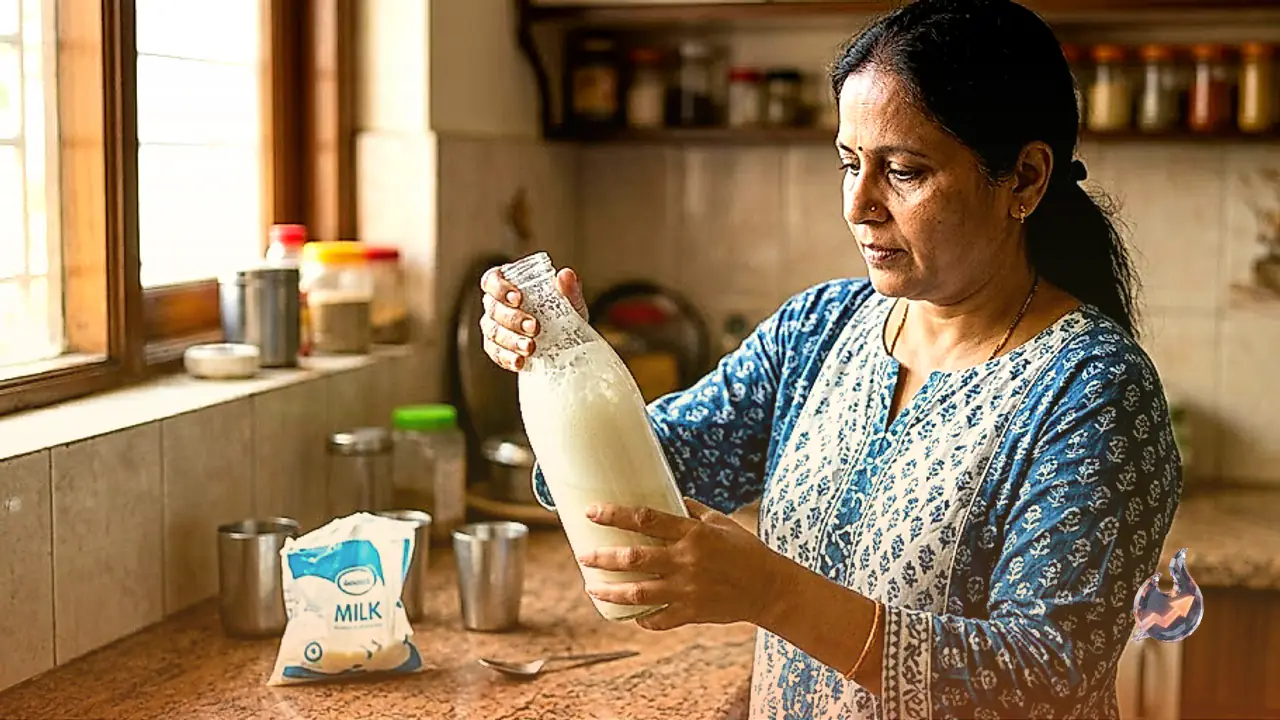
FSSAI shared the testing method through a video posted on its Instagram handle, @fssai_safefood. The process needs barely anything, just a small quantity of milk. Start by pouring roughly 5 to 10 millilitres of milk into a small glass. Then shake the glass briskly and thoroughly for a few seconds. Right after shaking, watch closely for any foam or bubbles forming on the surface of the milk.
What the bubbles can tell you
If the milk does not produce excessive foam after shaking, or if whatever foam forms settles quickly, that can be taken as a normal sign. But if a good amount of foam or bubbles form and they refuse to settle easily, it could point to the presence of a detergent-like substance. FSSAI has been clear, though, that this home test alone cannot be used to officially declare a batch of milk adulterated, a laboratory test is still the final word.
The science behind why bubbles form at all
The explanation lies in basic chemistry. Pure milk naturally has high surface tension, so the tiny air pockets created while shaking it collapse almost instantly. Detergents and soaps, on the other hand, contain surfactants that lower surface tension. This creates a thin film between air and water, which lets foam and bubbles hold their shape and linger for much longer.
What to check before buying milk
To stay safe from adulteration, always buy milk from a trusted brand that follows the rules. Before picking up a packet or carton, check its seal, packaging and the details printed on the label. If the packaging looks tampered with or damaged in any way, avoid buying it altogether. Also look out for the FSSAI licence number printed on the packet along with the related details. Finally, store milk at the right temperature and follow the storage and expiry instructions mentioned on the packaging.