















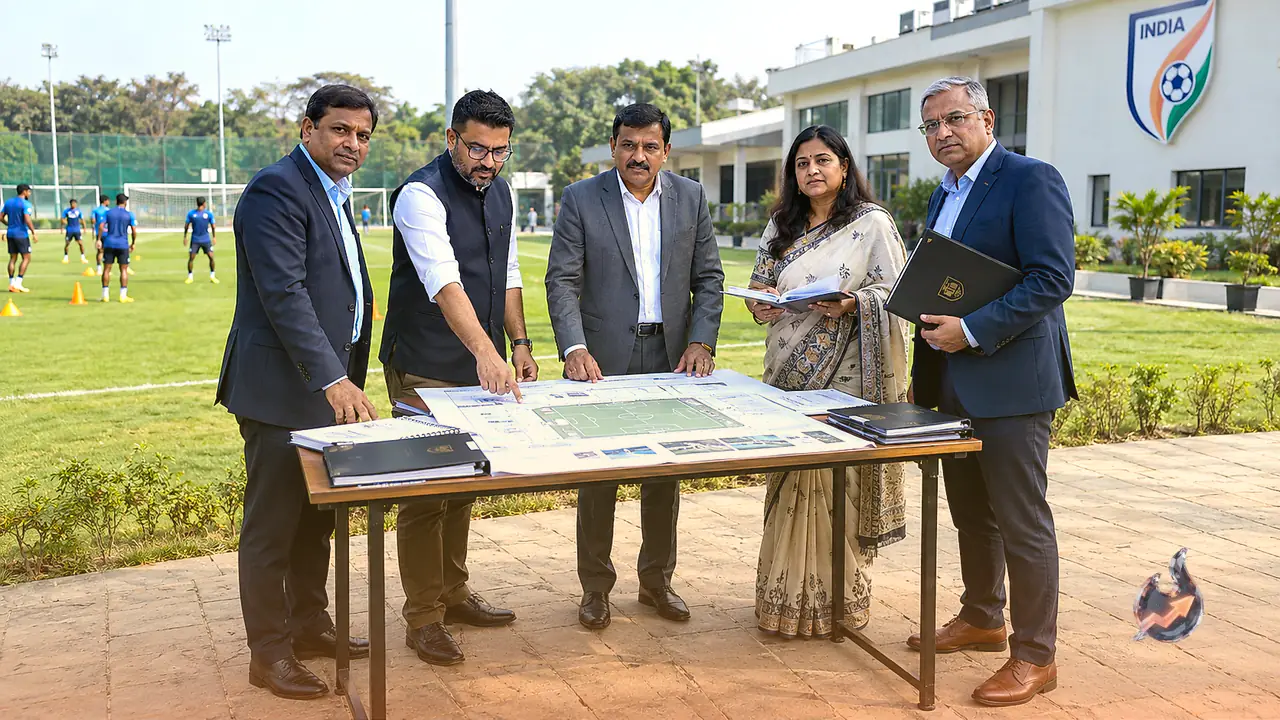

The upcoming All India Football Federation (AIFF) elections scheduled for December represent a critical turning point for determining the future course of the sport across the country. While determining who claims leadership is an inherent part of the democratic framework, true progress will ultimately be judged by the tangible actions of the elected administrators. Securing official positions should never be viewed merely as an achievement, but rather as an enormous duty toward building a sustainable sporting foundation. Within this context, a structured 12-point reform framework has been put forward to guide the incoming leadership toward transforming governance and grassroots development.
Electoral Transparency and Ethical Governance
Establishing absolute faith and fairness in the administrative process stands as the foremost requirement. Consideration should be given to conducting the upcoming federation elections under the direct supervision of a retired judge to ensure complete integrity. The elected officials must rise above factional motives and personal agendas, committing themselves wholeheartedly to honesty, dedicated service, and the broader national interest of the game.
Internal factionalism and reliance on personal affiliations must be dismantled in favor of meritocracy and measurable performance across all levels of the federation. Any complaints concerning financial irregularities or actions harmful to footballing interests require impartial and rigorous investigation. Whenever wrongdoing is substantiated, strict and appropriate disciplinary actions must follow through established regulatory procedures.
Independent Advisory Council and Expert Guidance
To ensure sound strategic and technical direction, the federation ought to establish an independent advisory committee composed of five distinguished football figures. This consultative body should feature individuals who combine deep technical understanding of the sport with administrative proficiency, integrity, and the resolve to speak out against flawed administrative decisions. Such a council would actively assist the federation by providing objective guidance and collaborating on long-term structural growth programs.
Restoring Historic Competitions and Institutional Squads
Revitalizing legacy tournaments that shaped the nation's football heritage must be pursued through proactive discussions with local organizers. Concrete initiatives are needed to restore the stature of historic competitions such as the Rovers Cup in Mumbai, the Durand Cup in Delhi, and the Nizam Gold Cup in Hyderabad. Furthermore, strong all-India tournaments should be regularly conducted across traditional hotbeds including Punjab, Tamil Nadu, and Kerala.
Simultaneously, reintroducing institutional leagues is essential for the ecosystem. In past decades, institutional teams such as Air India, Railways, BSF, ONGC, Punjab Electricity Board, Railway Coach Factory, FCI, Assam Police, Punjab Police, and the Indian Audit institutions served as the primary pipeline for developing outstanding national talent. Bringing back institutional competition provides players with stable employment and sustained competitive opportunities.
Integrating Northeast Talent into the National Mainstream
Football talent from Assam and the wider northeastern region must be integrated directly onto the national stage. Key initiatives should include re-establishing the dedicated Northeast football tournament in Delhi, alongside scheduling frequent competitions across major regional hubs like Guwahati. Connecting local players and regional coaches to the centralized national structure will ensure that remote talent is not overlooked.
Grassroots Scouting and Technical Standards
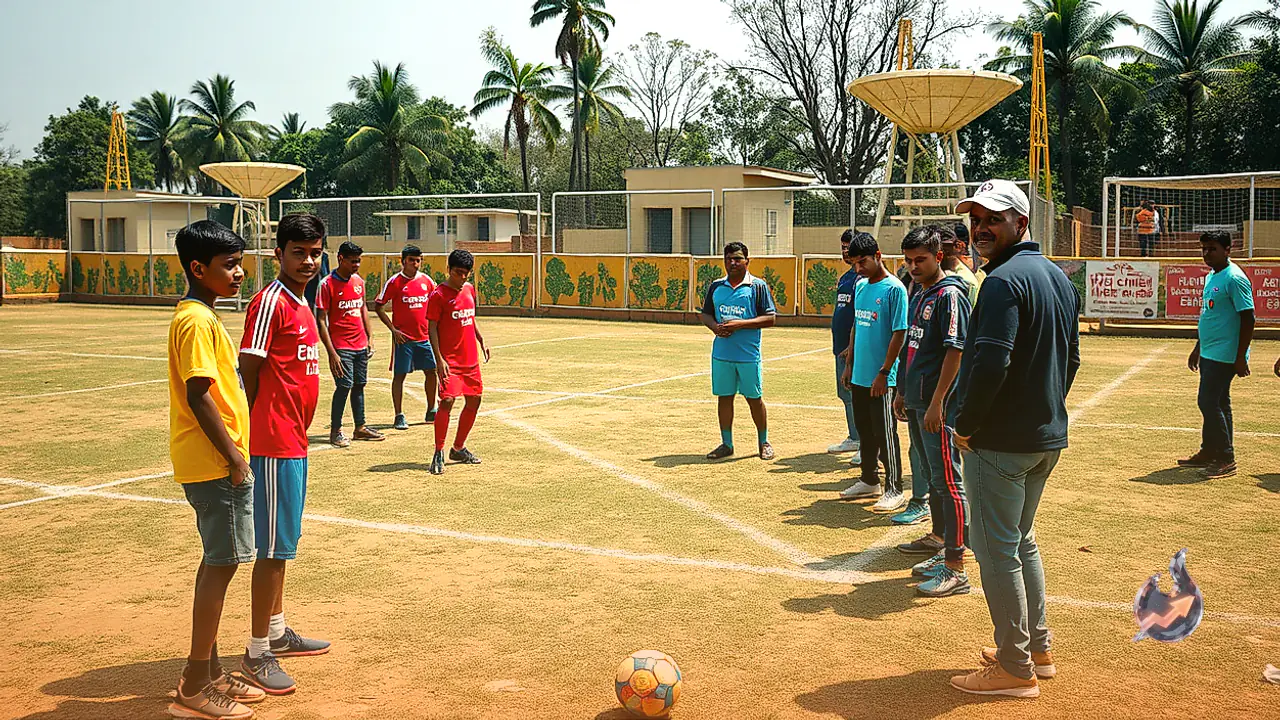
Broad-based zonal competitions ought to be organized across villages, academic institutions, and secondary towns to identify emerging players early. Structured scouting camps need to be conducted across hubs such as Guwahati, Mumbai, Nagpur, and other urban centers. Utilizing video recording, modern performance analytics, and transparent selection criteria will allow qualified young athletes to advance on genuine athletic merit.
Coaching Upgrades and Structured Media Relations
Elevating on-field performance demands the introduction of rigorous coach and referee education, certification, and ongoing assessment systems benchmarked against FIFA standards. Modern training technologies, practical fieldwork, and appointments strictly tied to certified credentials can substantially upgrade officiating and tactical instruction across domestic leagues.
To maintain governance transparency, the federation should organize media briefing sessions every ten days with senior sports journalists, editors, and major news outlets. These interactions must spotlight grassroots achievements, emerging players, and systemic hurdles, while media outreach should actively expand across English, Hindi, and regional language platforms.
Harnessing Expertise and Revitalizing Grounds
The operational knowledge of veteran football figures such as Bimal Ghosh and Anadi Barua should be harnessed effectively. Their tactical insights would be invaluable across pivotal operational sectors, including the expansion of women's football, grassroots youth pathways, and identifying qualified national team coaching personnel, with all federation appointments remaining open and merit-based.
Organizing premier tournaments requires deep collaboration with state administrative bodies, tourism authorities, commercial sponsors, and municipal agencies. Public-private partnerships should be accelerated to upgrade pitch surfaces, team accommodation, transit logistics, and hospitality infrastructure.
Finally, urban football infrastructure in the capital demands targeted rehabilitation. Formal discussions should be held with relevant authorities regarding a proposal to grant junior footballers scheduled training access to three of the six grounds within the Rashtrapati Bhavan estate, subject to strict security protocols and official approvals. Furthermore, administrative authorities should review the condition and availability of the heritage football ground situated near the Indian Express building in Delhi, allowing it to be repurposed for school tournaments, youth coaching clinics, and neighborhood football matches once regulatory permissions are secured.