


















A high-stakes contest is unfolding over who gets to stage the single most-watched match in world sport, the 2030 FIFA World Cup final, with Morocco and Spain both pushing hard to land the honour on home soil.
Three Hosts, One Final Still Undecided
Morocco, Portugal and Spain are set to jointly stage the 2030 FIFA World Cup, but FIFA has not yet announced which of the three nations will get to host the tournament's showpiece final. That open question has fuelled months of quiet manoeuvring, with both Spain and Morocco keen to land football's biggest stage.
Morocco Bets on a $12 Billion Stadium
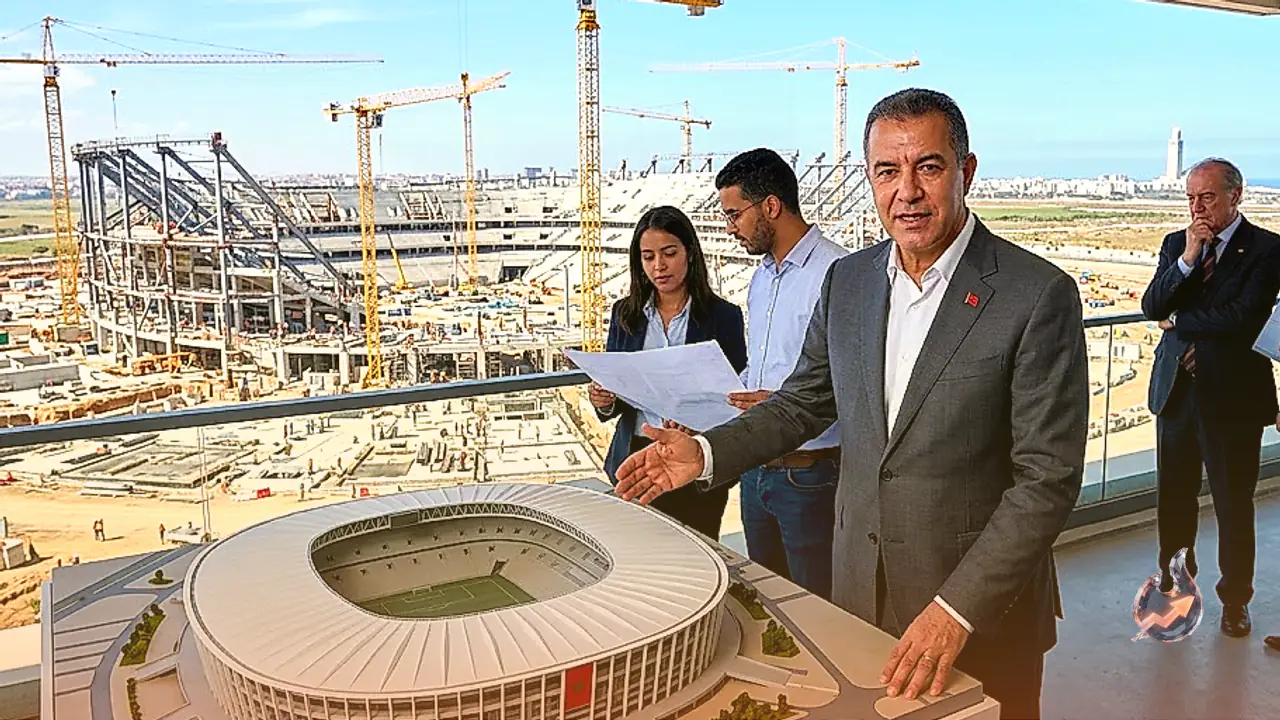
Morocco's pitch centres on a brand-new, 115,000-seat venue being built outside Casablanca at a cost of roughly USD 12 billion. Once finished, the Hassan II Stadium is expected to be the largest football stadium anywhere in the world, with construction slated for completion by the end of next year. Morocco is offering the ground as its venue of choice for the 2030 final, putting it up against two storied Spanish arenas.
Spain's Two Iconic Alternatives
Spain is fielding Madrid's Santiago Bernabeu, home of Real Madrid, which now holds around 83,000 spectators following a major renovation that wrapped up in late 2024. Its other option is Barcelona's Camp Nou, currently being rebuilt to expand capacity to 105,000 seats. Portions of Camp Nou have already reopened to fans, though the wider renovation has fallen behind its original schedule.
Spain Fires the First Salvo
The public jockeying started in January, when Rafael Louzan, president of the Spanish Football Federation, told reporters that Spain would host the 2030 final, arguing that his country's long, proven record of running major tournaments made it the natural choice. He also pointed to organisational trouble at the Africa Cup of Nations, held in Morocco, to strengthen Spain's case. "Spain is going to be the one to lead that World Cup 2030 and where the final of the tournament will be played," Louzan said. He added that certain scenes from Africa Cup of Nations matches had damaged the image of world football.
The Incident Spain Keeps Citing
Louzan's remarks referenced a January Africa Cup of Nations match between Senegal and Morocco in Rabat, which was disrupted by crowd trouble, disputes involving ball boys and a brief walk-off by players. That match was staged at the newly opened, 69,500-capacity Prince Moulay Abdallah Stadium.
Morocco Stays Quiet, Insists Nothing Is Settled
Morocco has not publicly hit back at Spain's claims. Fouzi Lekjaa, president of the Royal Moroccan Football Federation, has instead maintained that the final's venue will be decided jointly by FIFA and all three co-hosts, and that no stadium has been confirmed yet. Speaking to state television, he said: "No decision has been taken to date regarding the allocation of the matches." He added that such choices rest solely on consultations between the three host countries and FIFA. Officials within African football's governing structures have confirmed that Morocco is actively lobbying behind the scenes to bring the final to Casablanca, and the contest is expected to intensify in the months ahead.
What A Moroccan Win Would Mean
Should Morocco prevail, Casablanca would become just the second African city ever to host a World Cup final, following Johannesburg in 2010, the tournament where Spain won its only World Cup title. Spain, for its part, last hosted a World Cup final in 1982, when Italy beat West Germany 3-1 at the Santiago Bernabeu in Madrid.