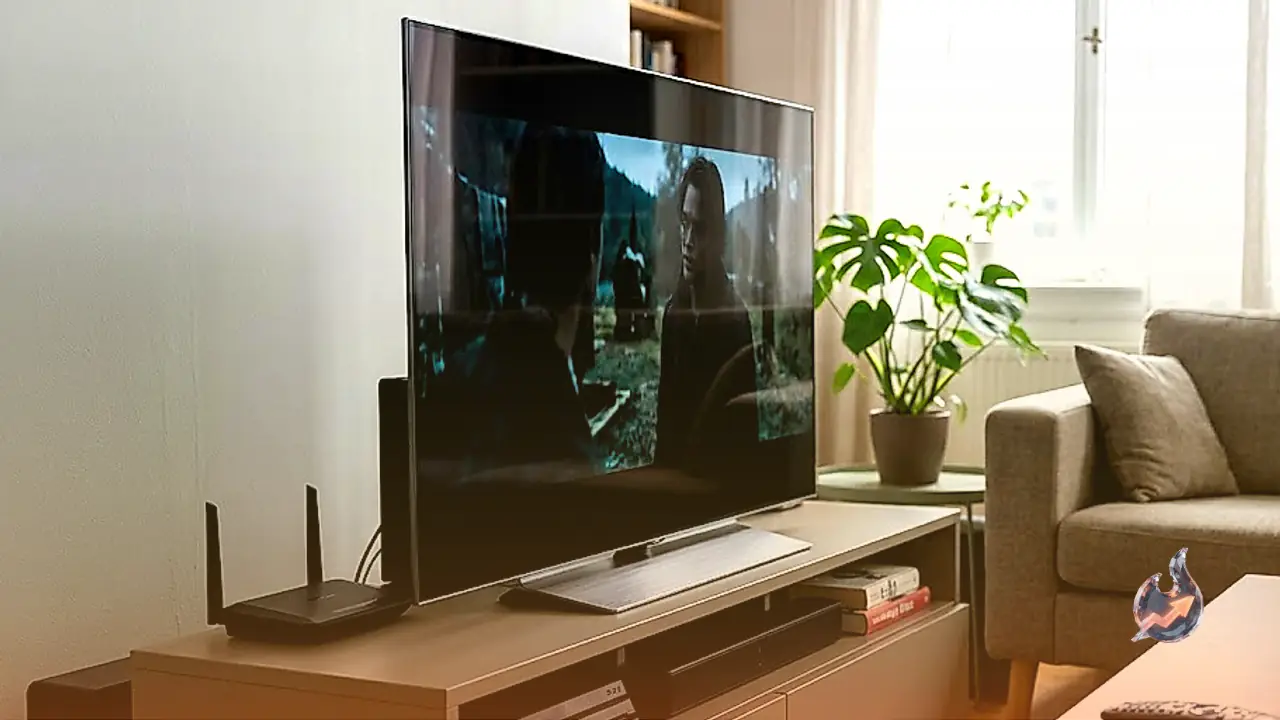





















The LG B6E OLED is an entry-level television released in 2026 as a variation of the standard LG B6 OLED 2026. It is positioned just below the LG C6 OLED and the LG C6H OLED 2026 in the lineup, delivering identical core performance to the regular B6 variant. However, it ships with a streamlined remote control and omits a few advanced capabilities that depend on it, such as AI voice control and room audio correction. Aside from those minor differences, buyers get the same robust selection of smart features, full HDMI 2.1 bandwidth across all four inputs, and a wide array of gaming functionalities. It is driven by the exact same LG α8 AI Processor 4K Gen3 image processor found in the base B6 model and runs on the proprietary webOS 26 smart interface, offering seamless integration with various streaming apps and smart home ecosystems.
Hardware Processor and Smart Interface
Powered by the LG α8 AI Processor 4K Gen3, this television ensures fluid picture processing and upscaling capabilities. The webOS 26 platform gives users access to an extensive ecosystem of entertainment and gaming applications. While the reviewed unit is the 65-inch version, the television is also manufactured in 55-inch and 77-inch sizes to accommodate different living spaces. Although it lacks advanced voice capabilities on its simplified remote, the software ecosystem remains largely robust and versatile.
Home Theater and Dark Room Performance
The LG B6E excels in dark room environments, functioning as an exceptional choice for home theater setups. Thanks to its nearly infinite contrast ratio, it produces perfect, inky blacks without any noticeable haloing around bright subtitles or objects. Colors appear vibrant and accurate right out of the box, though extremely bright scenes can occasionally look a bit dull. The television handles upscaling of standard definition sources and compressed streaming files exceptionally well. Like most OLED panels, it suffers from minor stutter during slow-panning camera movements, and it lacks support for DTS audio codecs.
Daytime Viewing and Bright Room Behaviour
In moderately lit rooms, the television manages ambient light adequately, though it struggles against intense glare from direct sunlight or large windows. The glossy finish does little to actively diffuse reflections, making dark sequences difficult to discern during daylight hours. However, bright scenes retain their visual impact, and ambient room lighting has minimal adverse effect on overall color volume or contrast levels, maintaining a consistent picture profile.
Sports Viewing and Seating Angles
Sports enthusiasts will appreciate the wide viewing angles, which allow viewers seated off-axis to enjoy uncompromised picture quality without color degradation. Fast-paced action sequences remain sharp and devoid of motion blur, while compression artifacts from broadcast streams are effectively minimized by the onboard image processing engine. Because the integrated speakers lack high maximum volume output, pairing the unit with an external soundbar or multi-channel speaker setup is recommended for larger social gatherings.
Gaming Features and Performance
Gamers will find the LG B6E to be an exceptionally responsive display, featuring extremely low input lag and instantaneous pixel response times that eliminate ghosting behind fast-moving objects. The inclusion of Variable Refresh Rate support and HDMI 2.1 bandwidth ensures tear-free gameplay on current-generation consoles. While the native 120Hz refresh rate is more than sufficient for console gaming, dedicated PC enthusiasts might find the absence of higher refresh rate support somewhat limiting.
Brightness and Motion Handling
Peak brightness levels are adequate for controlled lighting environments but fall short when combating severe window glare. Motion handling is generally smooth, successfully removing judder from standard 24fps content, though the inherent OLED stutter during slow panning shots remains present. Overall, the television delivers reliable image processing performance, minimizing color banding in gradient scenes and rendering HDR content with accurate luminance.