


















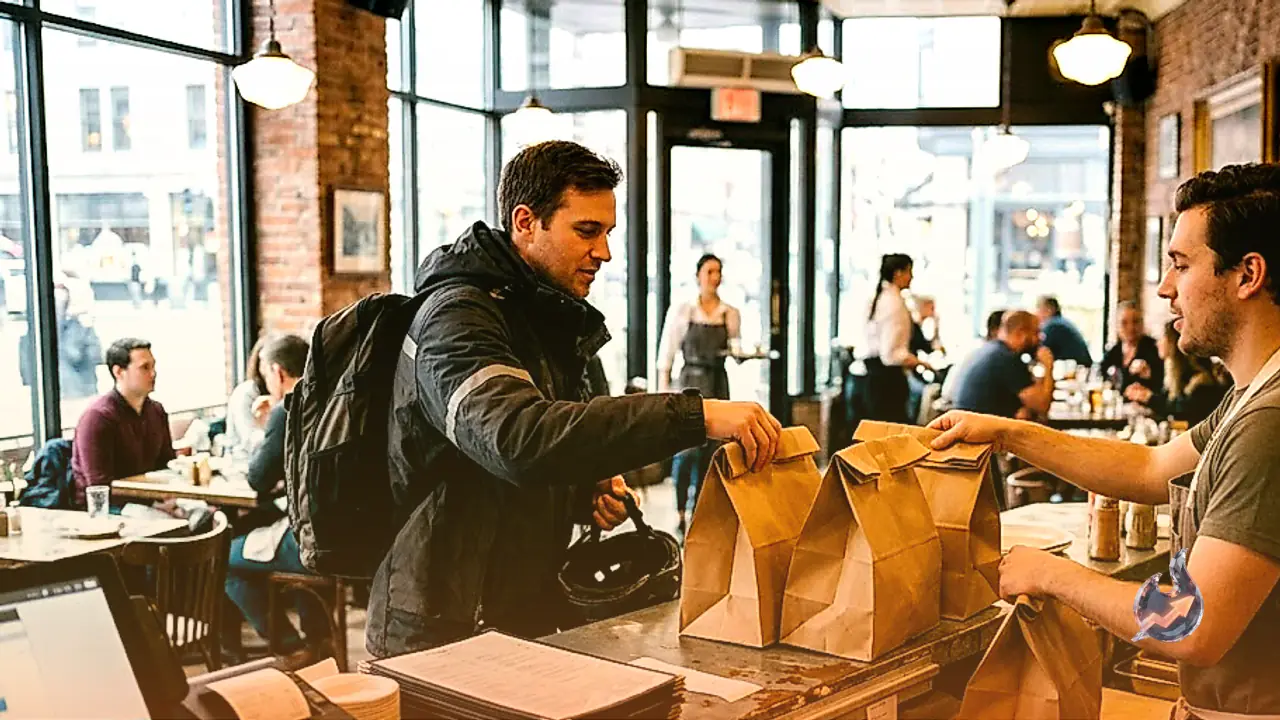

Ordering meals through mainstream apps often comes with eye-watering costs and shifting fee structures. Major platforms routinely charge restaurants heavy commissions per order, expenses that inevitably trickle down to consumers and inflate the price of everyday takeout items.
Services that once felt like a convenient luxury can increasingly resemble a poor financial deal. To counter this trend, Olo, a fresh food delivery application, is rolling out nationwide today across both Android and iOS devices.
Noah Glass, founder and CEO of Olo, points out that eateries are paying marketplaces commissions ranging from 20 to 30 percent, forcing them to offset those losses by raising menu prices. The core value proposition of Olo is completely avoiding this style of menu inflation.
On Olo, dining establishments charge users the exact same prices listed in their physical stores, while Olo's own service fee remains a flat 5 percent. Customers will, however, still need to pay a standard fee for delivery services.
While consumers might technically save more by ordering directly from a restaurant, Glass positions Olo as a viable middle ground for those who still want a streamlined app experience without constantly shifting fees and artificially hiked food costs. The platform launches with 250 brands onboard and clear plans for future expansion.
Furthermore, Olo removes one of the most frustrating aspects of contemporary food delivery applications: relentless advertising. Instead of search results cluttered with sponsored listings, Olo presents a clean, straightforward directory of nearby restaurants alongside a record of past items users might want to reorder.
While the brand name Olo may not be a household term, many digital consumers have likely interacted with the company's underlying technology before. Although this direct-to-consumer app is new, Glass has operated within the digital ordering ecosystem for over twenty years, having launched an early startup named Mobo back in 2005, prior to the iPhone, which facilitated coffee orders via text messages.
Mobo eventually rebranded to Olo as it transitioned into a backend software partner for restaurants, helping manage digital menus. Today, Olo handles infrastructure supporting more than 3.5 million daily orders across desktop websites, smartphones, and restaurant kiosk touchscreens.
Convincing everyday users to abandon the established delivery apps they have relied on for years will certainly pose a challenge. Even so, Glass enters the consumer market as a determined competitor, backed by extensive industry connections and a direct focus on undercutting the inflated prices plaguing dominant delivery apps.