






















Smartphones have reached a phase where annual revisions bring subtle refinements rather than groundbreaking overhauls, and the Google Pixel 11 fits squarely into this pattern. For consumers upgrading from a three-year-old handset, the Pixel 11 presents a compelling package with meaningful software and efficiency enhancements. However, for current owners of last year's Pixel 10 looking for a major hardware reason to step up, the updates offered here are largely incremental.
Refined Aesthetics, Compact Handling, and Daily Build Experience
Google has retained its instantly recognizable aesthetic while making targeted refinements to the overall chassis. The signature camera bump spanning the rear now sports a thinner, all-glass pill design. When housed inside a standard protective cover, the phone rests completely flat on flat surfaces. The chassis utilizes a satin-finish frame made from recycled aluminum paired with a glossy rear glass panel, matching the material quality of previous generations. Google offers the handset in four distinct color options: Hibiscus (a vibrant hot pink), Pistachio (a subtle warm green), Frost (classic white), and Obsidian (sleek black). Notably, the popular Indigo shade from the prior generation has been removed from the lineup, reinforcing Google's approach of offering expressive colors on base models while keeping Pro editions muted.
Featuring a 6.3-inch display, the Pixel 11 represents what currently qualifies as a compact flagship in the modern mobile market. Moving from a larger device like the Pixel 10 Pro XL to the Pixel 11 highlights how convenient single-handed operation can be. Although the body remains somewhat thick, it delivers a comfortable in-hand feel. Furthermore, its physical footprint matches the Pro model closely enough that protective cases remain interchangeable between both devices. Investing in a durable case is highly recommended, as dropping the bare device on rough surfaces like sand or pavement can easily scuff the outer painted frame finish.
Tensor G6 Chipset Performance and Real-World Responsiveness
Under the hood, the Pixel 11 is powered by Google's proprietary Tensor G6 processor. According to official performance metrics, this updated silicon delivers a 20 percent increase in power efficiency, 25 percent faster web browsing performance, and 15 percent quicker application loading speeds compared to its predecessor. Memory configuration stands at 12 GB of RAM, paired with either 256 GB or 512 GB of internal storage. In practical day-to-day operation, the smartphone operates with crisp responsiveness. Navigating web pages, launching demanding applications, and operating the native camera app occur with minimal latency. Integration with connected smart home hardware also shows subtle speed gains; notifications and video feeds originating from Nest video doorbells load roughly one to two seconds faster than on older hardware platforms like the Pixel 10 Pro XL.
Gaming Stress Tests and Thermal Limitations
To evaluate performance under sustained heavy workloads, the device was subjected to demanding mobile gaming sessions using Wuthering Waves. While the title remained playable overall, the gameplay suffered from noticeable action stuttering and frequent dropped frames during intensive combat sequences, even when configured to the Balanced graphics and performance setting. Thermal dissipation also proved to be a factor; after an hour of continuous gameplay, the smartphone became noticeably warm to the touch, and internal battery reserve dropped from 40 percent down to 26 percent, representing a 14 percent depletion within that timeframe. Conversely, casual mobile titles such as Mini Metro and Alto's Odyssey executed smoothly without performance bottlenecks or excessive heating. Mobile gaming enthusiasts seeking sustained high-frame-rate performance may still need to look toward hardware dedicated specifically to gaming.
Battery Longevity and MediaTek Modem Hardware Transition
Power delivery is handled by a 4,985-mAh internal battery, which represents a modest 15-mAh hardware increase over the 4,970-mAh capacity found in the Pixel 10. Despite this small increase in raw battery volume, official claims state that software and chipset optimizations improve overall battery endurance by 25 percent, boosting operational time from 24 hours up to 30 hours. In real-world usage scenarios across demanding workdays, the device reliably lasts from morning to night without hitting empty status, although routine daily charging remains necessary for most user patterns.
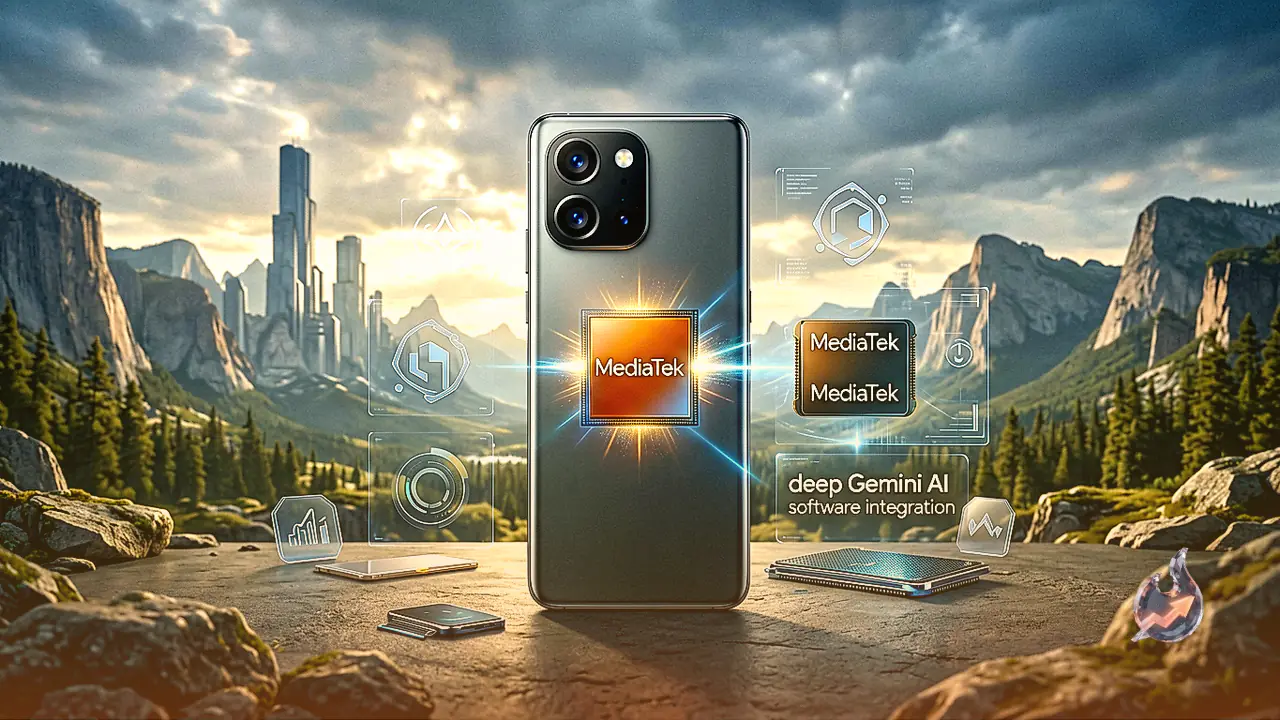
A key internal alteration in the Pixel 11 is the transition to a MediaTek cellular modem, replacing the Samsung modem hardware utilized in the Pixel 10 series. The previous Samsung component was frequently criticized for draining battery power unnecessarily and struggling to maintain stable cellular network connections in weak signal zones. Practical observation indicates that the MediaTek modem inside the Pixel 11 holds cellular connectivity significantly better in known reception dead zones where older hardware like the Pixel 10 Pro XL routinely dropped calls or lost network connectivity. Individual network results will vary based on carrier coverage and geographic location.
Deep Gemini AI Integration and System-Level Software Features
Software features remain the primary focal point of the Pixel ecosystem, with Google embedding artificial intelligence directly into core operating system functions rather than superimposing it as an external software layer. The latest Gemini Intelligence capabilities expand Google's software integration across native system applications.
One notable addition is Rambler, an enhancement built into the native voice-to-text engine. Rambler automatically filters out verbal filler words such as "ums" and "ahs" during voice input, allowing users to draft text messages through natural conversational speech. However, unlike the native Recorder application which generates live text on screen simultaneously as speech occurs, Rambler processes and displays the complete transcribed text block only after vocal input has concluded. Additionally, regional accents can occasionally impact transcription precision.
Contextual AI capabilities are also woven directly into messaging and productivity workflows. Within the native Messages application, Gemini automatically generates AI overviews when incoming texts mention event scheduling or restaurant recommendations. Users can add meet-ups directly to Google Calendar or launch restaurant suggestions straight into Google Maps with a single tap. Furthermore, with user permission enabled, Gemini can parse Gmail messages to locate flight details and insert flight numbers directly into text conversations. Search functionality is expanded via Circle to Search, which can now be invoked inside the camera app viewfinder without snapping a photograph; holding down the navigation bar and circling an item instantly triggers search results. Location-based contextual shortcuts on the lock screen and home screen provide quick access to Google Wallet loyalty cards inside retail stores or display Map recommendations when dining out. Core system utilities such as Call Screen for filtering unwanted telemarketing calls and Now Playing for automatic background music identification remain active. While AI features cannot be completely disabled system-wide, users retain granular control to turn off Gemini, revoke its access to Messages or Photos, disable Circle to Search, or turn off specific camera AI modes.
Advanced Triple-Camera Optics and New Capture Modes
Imaging capabilities represent one of the primary selling points of the Pixel 11 lineup. The camera subsystem exhibits faster shutter responsiveness and reduced image processing delays compared to the Pixel 10, enabling captured photos to load instantly into the gallery view. Physical optical specifications remain largely consistent with the previous generation, comprising a 48-megapixel main camera sensor, a 13-megapixel ultrawide lens, and a 10.8-megapixel telephoto camera capable of 5x optical zoom, alongside a 10.5-megapixel front-facing selfie camera. However, the main camera incorporates a physically larger image sensor, improving light capture performance in low-light environments. Digital zoom capability has been expanded from 20x to 30x magnification; this extended digital zoom operates by combining multiple raw exposures rather than using generative synthetic image generation, preserving authentic photographic details.
The native camera application includes several new software controls. Camera Looks provides customizable filter presets selectable prior to pressing the shutter button, allowing users to adjust color temperature and shadow intensity toward warmer or deeper tones, shifting away from Google's default high-contrast, punchy color profile. Another inclusion is Magic Capture, designed for social gatherings and events. This mode enables users to record video while automatically capturing high-resolution still photographs simultaneously, removing the need to manually monitor the viewfinder while taking pictures.
Final Upgrade Verdict and Long-Term Value
In evaluating the overall smartphone market, upgrading hardware on a yearly or two-year cycle yields diminishing returns. True generational leaps are generally experienced only when skipping multiple product iterations. Because Google's primary differentiators reside within its software ecosystem, many of the AI features introduced on the Pixel 11 will eventually be backported to older Pixel generations via software updates over time. Consequently, while the Pixel 11 is an exceptional device for owners of aging hardware, Pixel 10 owners can comfortably skip this iteration.