






















The Sony α7 V marks the fifth generation in the manufacturer's flagship lineup of full-frame mirrorless hybrid cameras. Replacing the popular α7 IV, this updated model refines the core formula with key internal hardware upgrades. While maintaining a 33-megapixel resolution and a familiar body design, the integration of a newly designed partially stacked sensor and the advanced BIONZ XR2 processing engine unlocks faster readout speeds, significantly reduced rolling shutter artifacts, and blackout-free shooting capability when relying on the electronic shutter.
Next-Generation AI Autofocus and Pre-Capture Functionality
Powered by the BIONZ XR2 silicon, the Sony α7 V incorporates updated AI-driven subject recognition algorithms. Moving beyond traditional face and eye detection, the system utilizes human pose estimation technology to evaluate body geometry and head alignment continuously. This enables the camera to maintain lock on subjects even when their faces are turned away or obstructed during rapid movement, making it particularly effective for action and wildlife tracking.
Complementing the revised autofocus suite is an integrated pre-capture feature. When the shutter release button is held halfway, the camera constantly buffers up to one full second of full-resolution imagery to internal memory. Once the shutter is fully depressed, those buffered frames are committed to storage, allowing photographers to capture fleeting or unpredictable action that occurs fractionally before full actuation.
High-Speed Continuous Burst Shooting and Enhanced Stabilization
Burst shooting rates have received a notable performance boost on the α7 V. Using its mechanical shutter, the camera reaches up to 10 frames per second with full 14-bit RAW output. Switching to the electronic shutter increases continuous burst performance to 30 frames per second, tripling the top speed of its predecessor. The accelerated sensor readout eliminates viewfinder blackout during high-speed electronic capture, allowing smooth tracking of fast-moving targets.
In-body image stabilization (IBIS) has also been re-engineered for improved performance. The updated multi-axis sensor-shift mechanism now offers up to 7.5 stops of stabilization correction, up from 5.5 stops on the previous generation. This additional compensation allows users to shoot handheld at significantly slower shutter speeds without introducing unwanted motion blur into high-resolution images.
Landscape, Travel, and Dynamic Range Capabilities
For landscape and outdoor photographers, the 33 MP full-frame sensor captures intricate detail and offers substantial post-processing latitude. Its wide dynamic range preserves shadow detail and highlight retention across high-contrast environments. The resolving power also provides flexibility for substantial image cropping in post-production while retaining high pixel density and clarity.
The electronic viewfinder (EVF) presents a clear, sharp display, complemented by compatibility with the extensive E-mount lens ecosystem. Dust and moisture resistance throughout the chassis body provides weather sealing for challenging outdoor environments. However, weighing 1.55 lbs (0.70 kg) with a substantial SLR-style body, it may feel bulkier than preferred for travelers seeking a ultra-compact everyday carrying solution.
Studio Video Workflows and Color Grading Capabilities
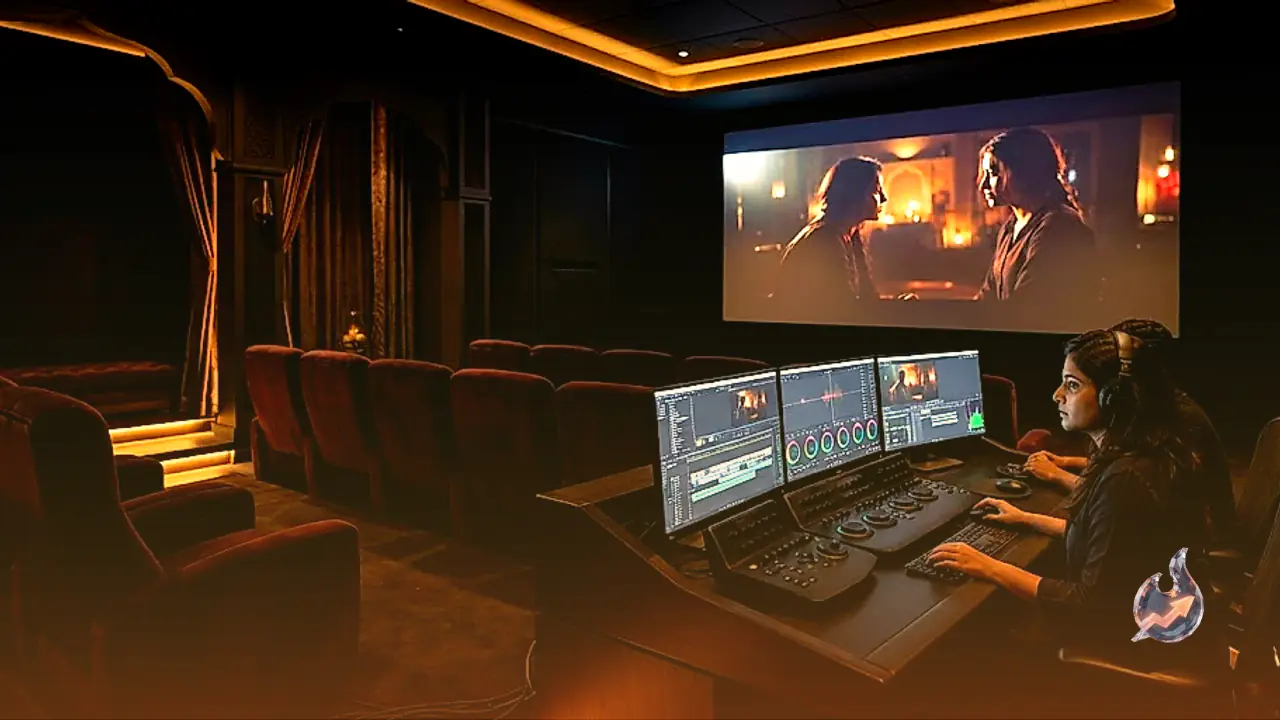
The α7 V provides robust internal recording features aimed at studio and professional videographers. It records 10-bit 4:2:2 video internally, capturing rich color data for post-production grading workflows. Sony has streamlined picture profiles by dropping S-Log 2 in favor of S-Log 3, maximizing the camera's full sensor dynamic range.
Uncropped 4K video capture is available at up to 60 fps, while high-frame-rate options extend up to 120 fps in 1080p or cropped 4K modes for slow-motion playback. The camera features a full-size HDMI output, 3.5mm microphone input, and dedicated headphone monitoring jack. With no recording duration limits and stable thermal management during extended operation, the body supports prolonged capture sessions. Dual USB-C ports, including a USB 3.2 connection, support fast file transfers and continuous USB power delivery during shoots.
Vlogging Ergonomics and Operational Boundaries
For self-recording creators, the camera incorporates a dual-hinged mechanism that combines tilt functionality with a fully articulating screen. Combined with AI-driven subject tracking and sensor-shift stabilization, it provides a stable self-monitoring setup for handheld video. However, its overall footprint and weight make continuous one-handed walk-and-talk vlogging tiring over extended periods.
The α7 V is not engineered for action camera applications; it lacks a rugged waterproof casing and is not designed for direct helmet or chest mounting. Nevertheless, for sideline sports coverage and tactical action filming, its 120 fps recording, responsive tracking, and active stabilization make it a highly versatile secondary camera. Dual card slots, supporting two SD cards alongside an integrated CFexpress Type A slot, ensure reliable media redundancy for high-bitrate recording.