





















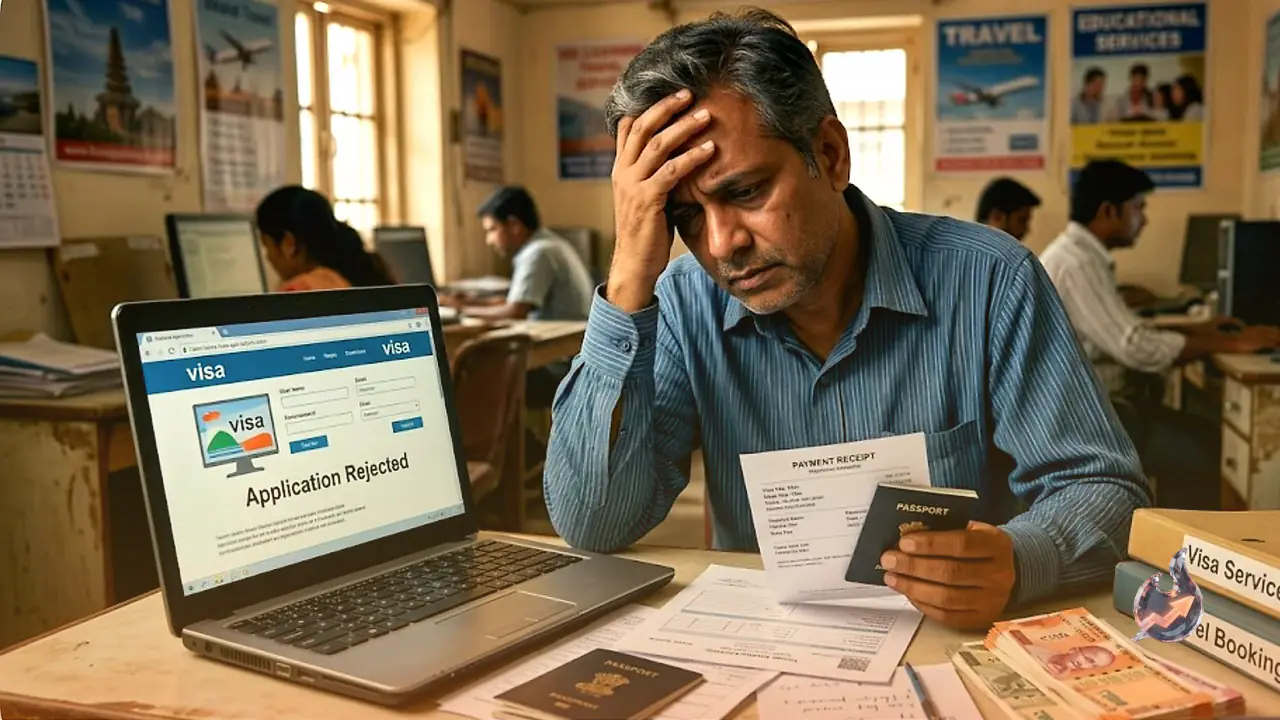

Thousands of visa applicants across India are losing lakhs of rupees to a growing network of fraudsters who exploit look-alike websites, misleading social media content, and dishonest agents. The scam is not new, but it is escalating rapidly, targeting people who are eager to travel abroad for work, studies, or leisure. Understanding what to look for is the most effective way to protect yourself from both financial loss and legal trouble.
How Fake Portals Trick Visa Applicants
Scammers routinely build websites that closely imitate the appearance of genuine platforms like VFS Global. They replicate logos, colour schemes, and page layouts to make their sites look convincing. Once a visitor lands on one of these pages, they are asked to pay upfront fees, typically collected through personal Unified Payments Interface (UPI) IDs, in exchange for fast-tracked appointment bookings. This is an immediate warning sign: legitimate visa service providers never accept payments through individual UPI handles. Before entering any personal or financial information, always check the website URL carefully and confirm it belongs to an officially authorised domain.
Common Types of Visa Fraud in India
Beyond fake portals, many scams arrive disguised as bogus job offers or fraudulent study permit assistance. In these cases, agents promise guaranteed visa approvals in exchange for a large, non-refundable fee. Some go further and produce forged visa stamps that appear authentic at first glance. Travellers who rely on these counterfeit documents face serious legal consequences when immigration authorities at the airport detect the fraud. Genuine visa processes always involve formal document verification and interviews or checks conducted at authorised centres. Application status should only be tracked through government-approved official channels to avoid being misled.
How to Verify Whether a Visa Website Is Official
A basic security check takes only a few seconds and can save you lakhs. Websites operated by embassies and authorised agencies always carry the HTTPS prefix in their URL, which signals an encrypted, secure connection that protects your data. Never click on links shared over WhatsApp messages or random SMS alerts, as these are frequently engineered to steal personal information or install malicious software on your device. The safest habit is to type the official web address directly into your browser's address bar rather than following a link from an unknown source. This one simple practice keeps your sensitive information away from hackers.
Red Flags That Signal a Visa Scam
One of the clearest signs of a scam is manufactured urgency. A fraudulent agent will persistently pressure you to act immediately, claiming that slots are filling up or that an exclusive offer is about to expire. Legitimate visa offices never operate with that kind of pressure. Equally suspicious is any agent who reaches out through a free email service such as Gmail or Yahoo rather than a registered business domain. Comparing common red flags against correct safe practices helps you respond quickly:
- Guaranteed visa approval offers: Always refer to official embassy guidelines and never rely on an agent's promises of certainty.
- Demands for cash or personal UPI payment: Pay only through the official visa service portal and insist on a proper receipt.
- Contact through Gmail or Yahoo addresses: Verify the full domain name of any website or email before sharing any information.
What to Do If You Are Targeted
Anyone who suspects they have been targeted by a visa scam should report it without delay on the National Cyber Crime Reporting Portal. Acting quickly gives law enforcement the data they need to trace and take action against digital criminals. Beyond reporting, protect yourself by never sharing your passport details with any unverified third party. Before hiring a travel agency, always confirm it holds the proper credentials and is duly registered with the relevant authorities. Using only official, legal channels for your visa application is the surest way to protect both your money and your travel plans. Staying informed remains the strongest shield against international travel scams.