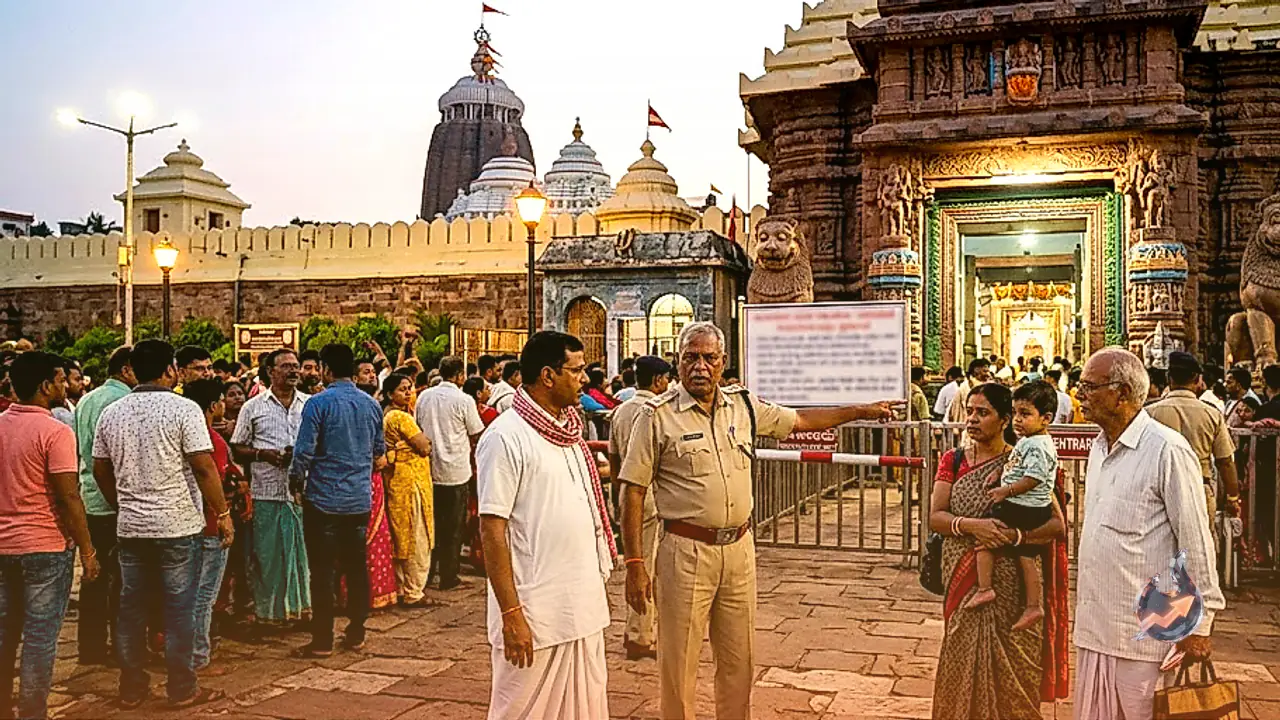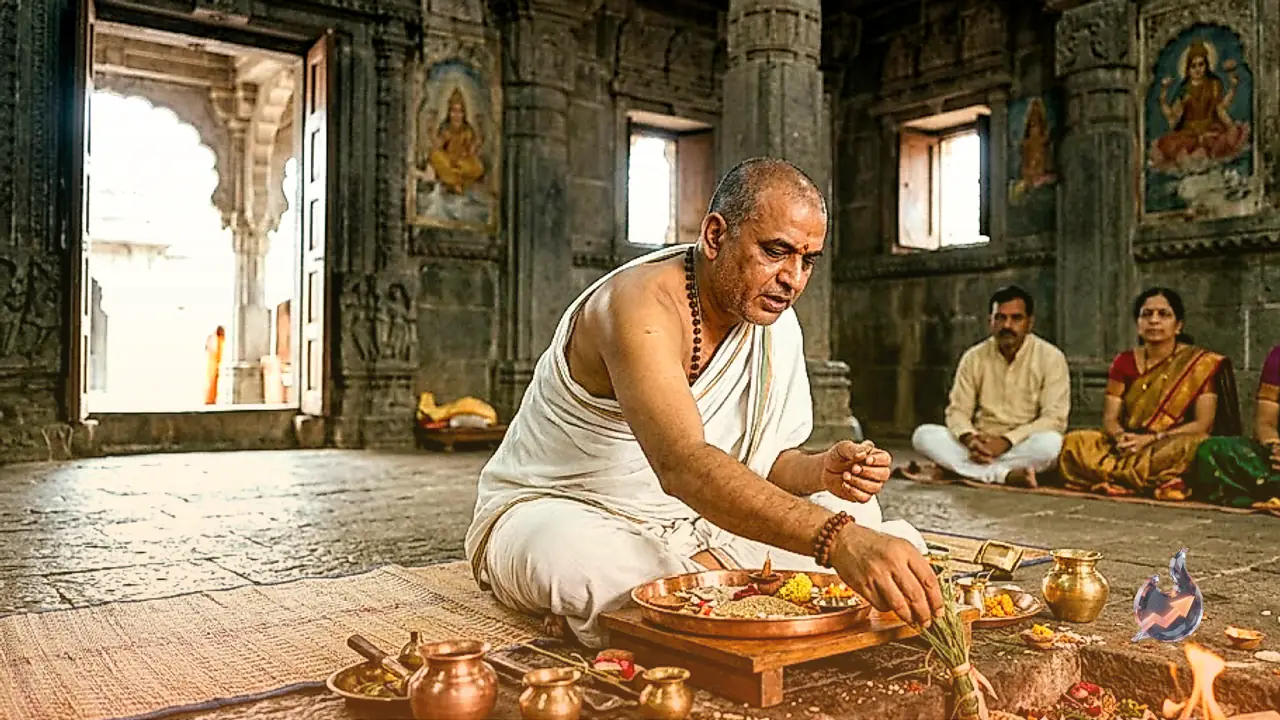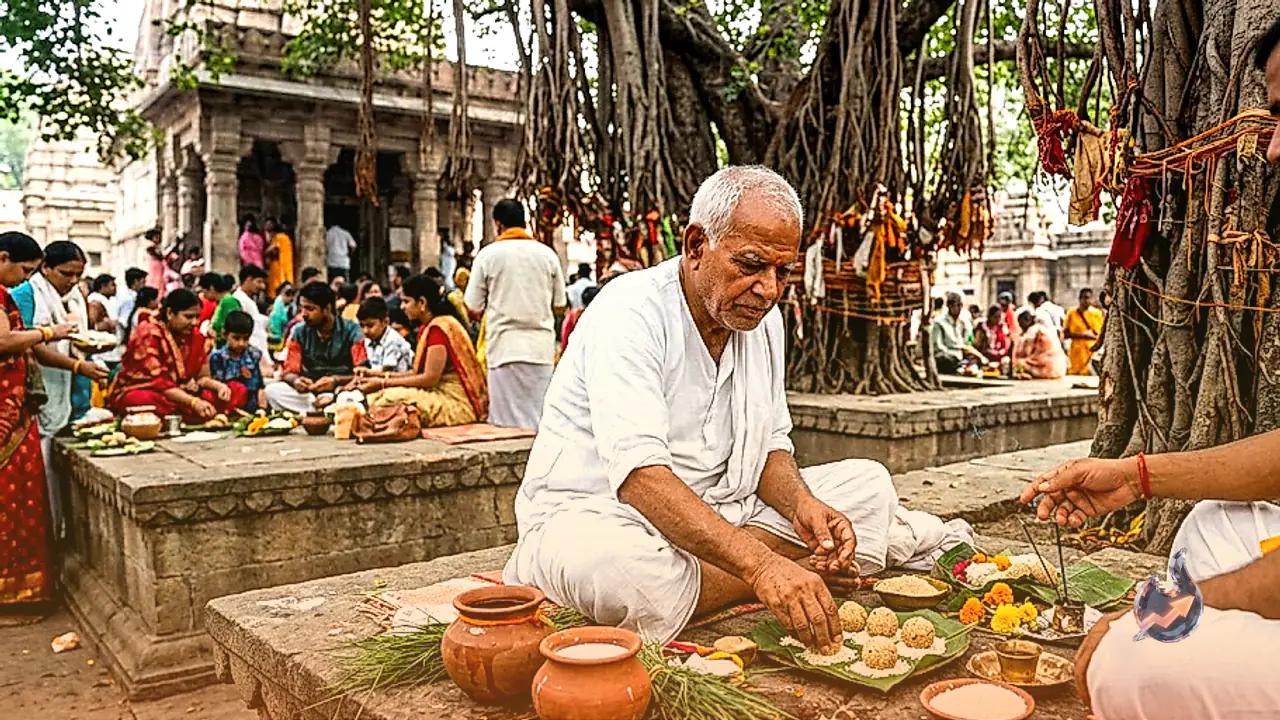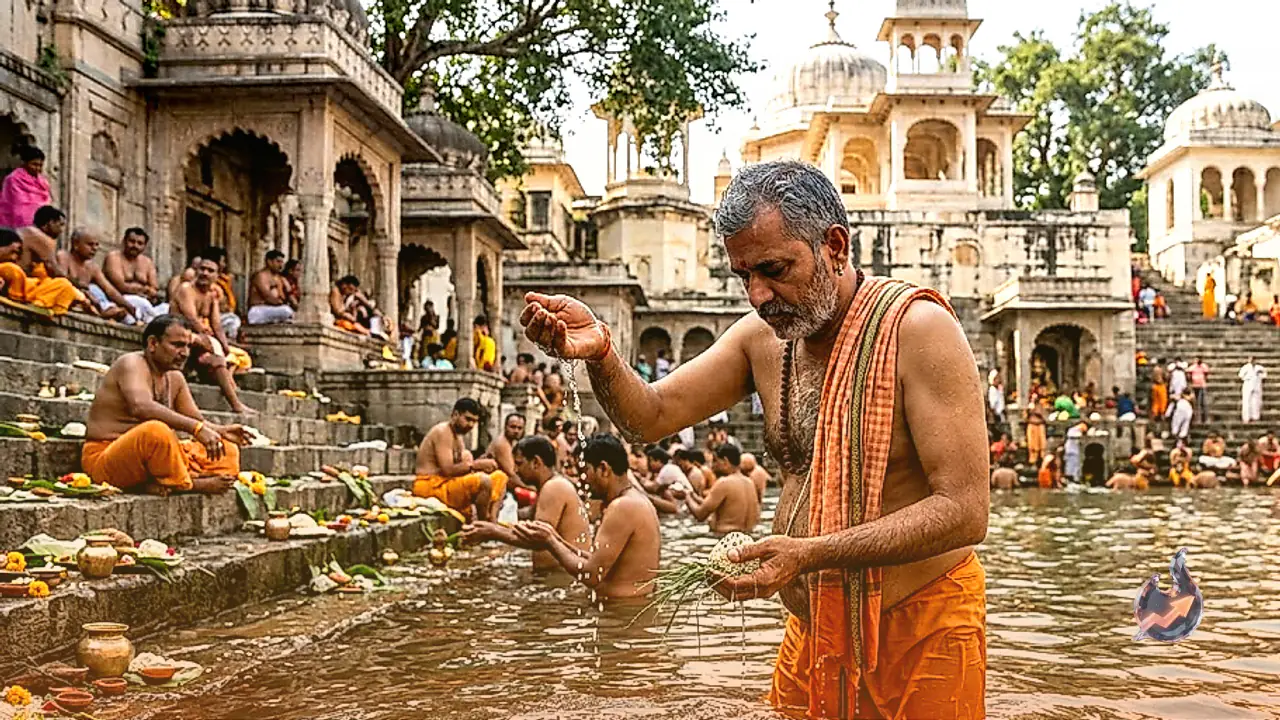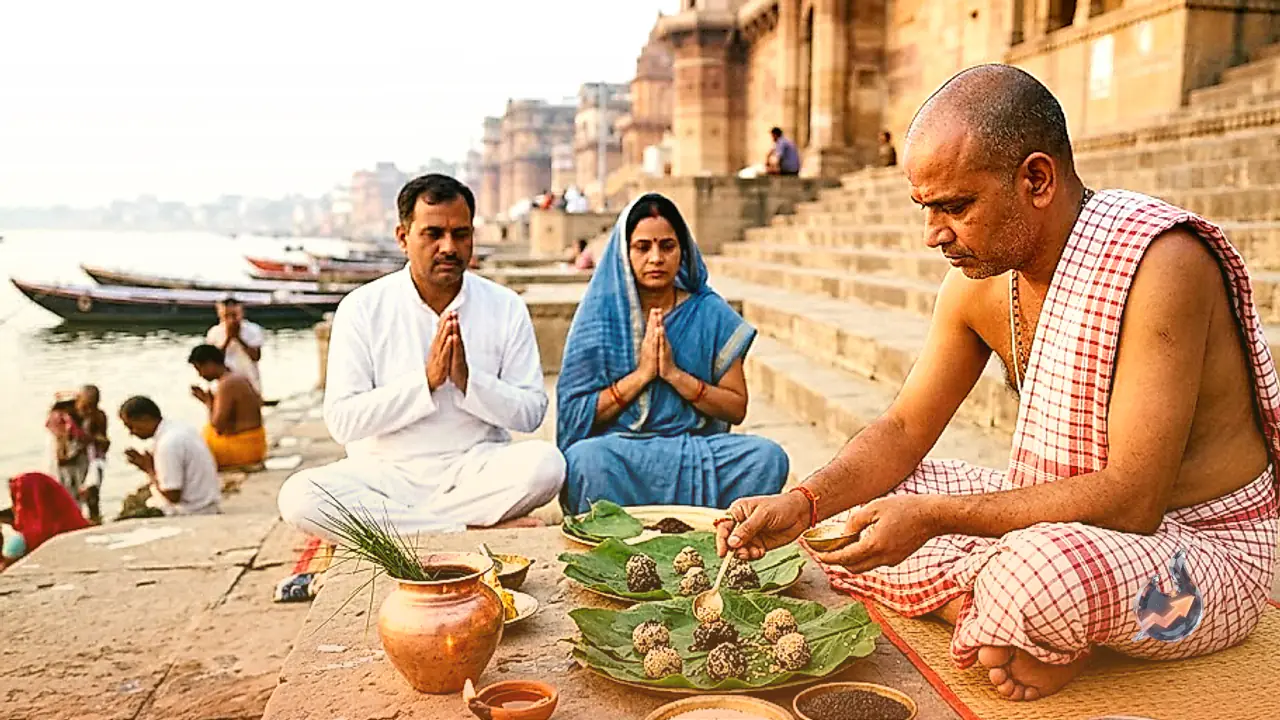
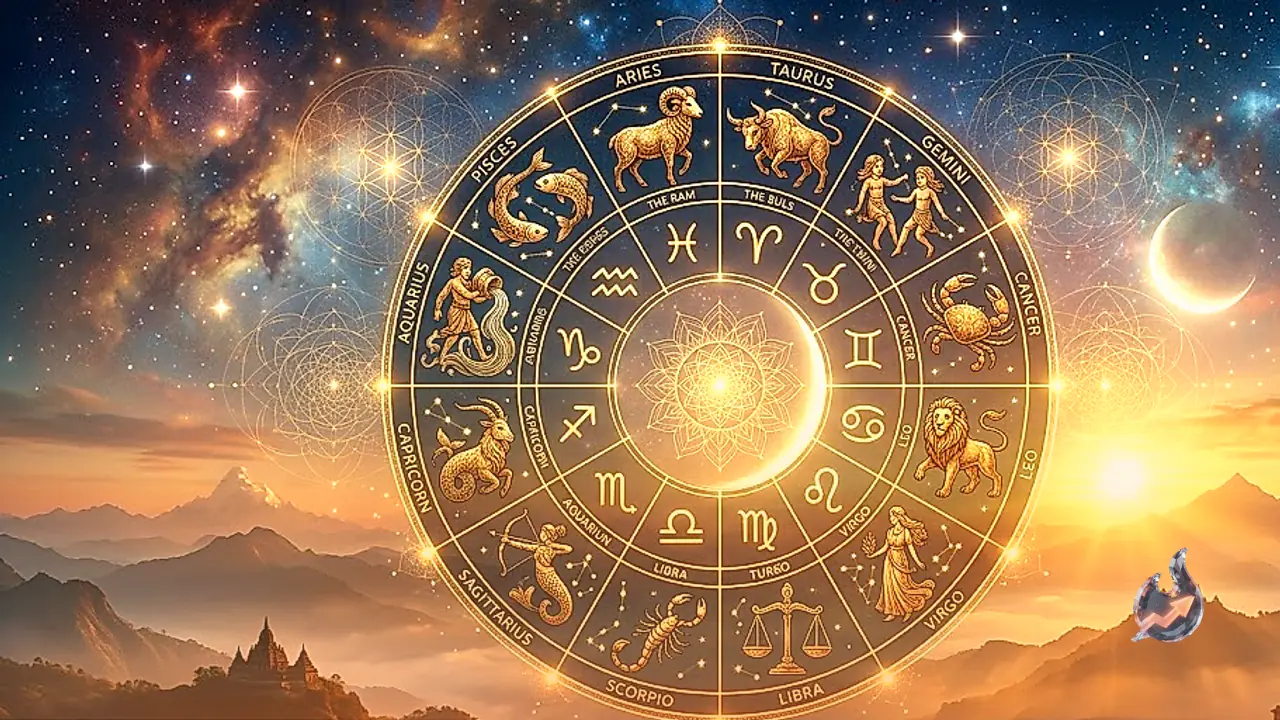





















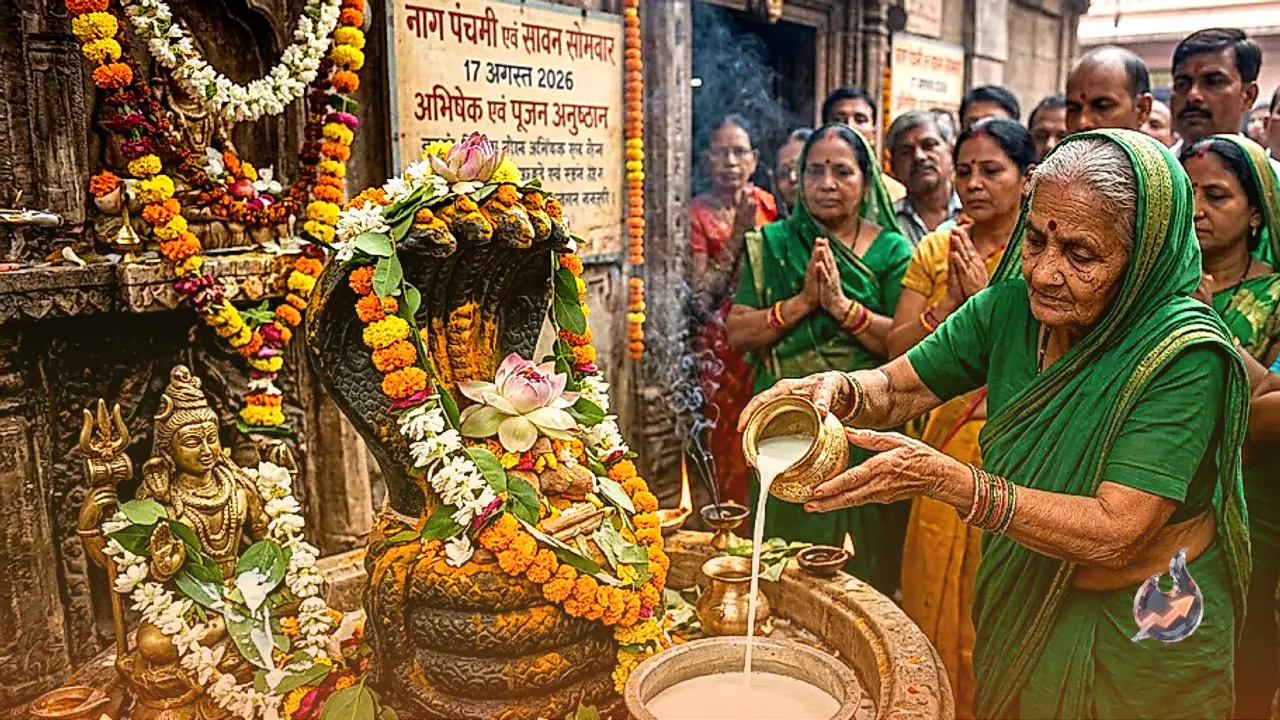

The month of Sawan holds immense spiritual importance in Hindu culture, bringing together devout worship of Lord Shiva and profound reverence for nature and wildlife. In 2026, Nag Panchami will be observed with deep devotion on Monday, August 17. Adding to the spiritual significance of the occasion, this year marks an exceptionally rare celestial alignment as the festival coincides directly with the third Monday fast of Sawan. Astrological timelines reveal that such a auspicious coincidence of Sawan Somwar and Nag Panchami is occurring after a gap of 23 years, offering devotees a powerful day to seek divine blessings.
Tithi Timings and Auspicious Puja Muhurats for Nag Panchami 2026
The Panchami Tithi for the festival begins on August 16 at 4:52 PM and concludes on August 17 at 5:00 PM. Adhering to traditional Udaya Tithi rules, where festival dates are determined by sunrise, Nag Panchami will be celebrated on Monday, August 17. Devotees planning their rituals can choose from several sacred time windows available throughout the day.
The primary auspicious window for morning worship, known as Shubh Puja Muhurat, extends from 5:51 AM to 8:29 AM. For those who wake during early dawn, Brahma Muhurat is active from 4:24 AM to 5:08 AM. During midday, Abhijit Muhurat spans from 11:59 AM to 12:51 PM. Additionally, for midnight prayers, Nishita Muhurat falls between 12:03 AM and 12:47 AM.
Authentic Rituals and Symbolic Worship Practices
Questions often arise regarding whether live snakes should be worshipped on Nag Panchami. According to sacred scriptures and longstanding traditions, catching, handling, or capturing live snakes for worship is completely improper and discouraged. The festival mandates symbolic representation rather than direct interaction with living reptiles.
Devotees are advised to perform rituals at home or in temples using an idol, a photograph, or a handcrafted clay figure of Nag Devta. Worship methods vary according to family customs and regional heritage passed down through generations. In many regions, people draw symbolic snake forms using sacred cow dung outside the main entrance of their homes, while others display pictures of snake deities to offer flowers, incense, and prayers.
Why Offering Milk to Live Snakes is Forbidden
A common misconception during Nag Panchami involves crowds gathering around snake charmers to feed milk to captive snakes. Scriptural guidelines and modern biological science both agree that offering milk to live snakes is harmful and strictly forbidden. Snakes are cold-blooded reptiles whose natural diet does not include dairy products, and consuming milk can lead to fatal health complications for them.
Furthermore, gathering large crowds around live snakes creates immense stress and danger for both the animals and the people present. From a spiritual perspective, inflicting discomfort or harm upon any living creature destroys the sacred intent of the ritual, earning demerit rather than spiritual grace. Devotees are encouraged to completely avoid participating in live milk feeding practices.
The Spiritual and Ecological Reason Behind the Digging Ban
A major observance on Nag Panchami is the traditional prohibition against digging soil, ploughing fields, or disturbing the earth. This custom is rooted in ecological wisdom and deep compassion for living beings. Nag Panchami falls during the peak of the monsoon season, a time when snakes and other subterranean organisms take shelter in underground burrows and nests.
Excavating land, tilling fields with ploughs, or digging soil unnecessarily during this period can collapse these natural habitats and inflict severe injury or death upon buried creatures. The true spirit of Nag Panchami lies in environmental protection and mercy towards all living beings. By refraining from earthwork, devotees honour nature and demonstrate active compassion toward the animal kingdom.