























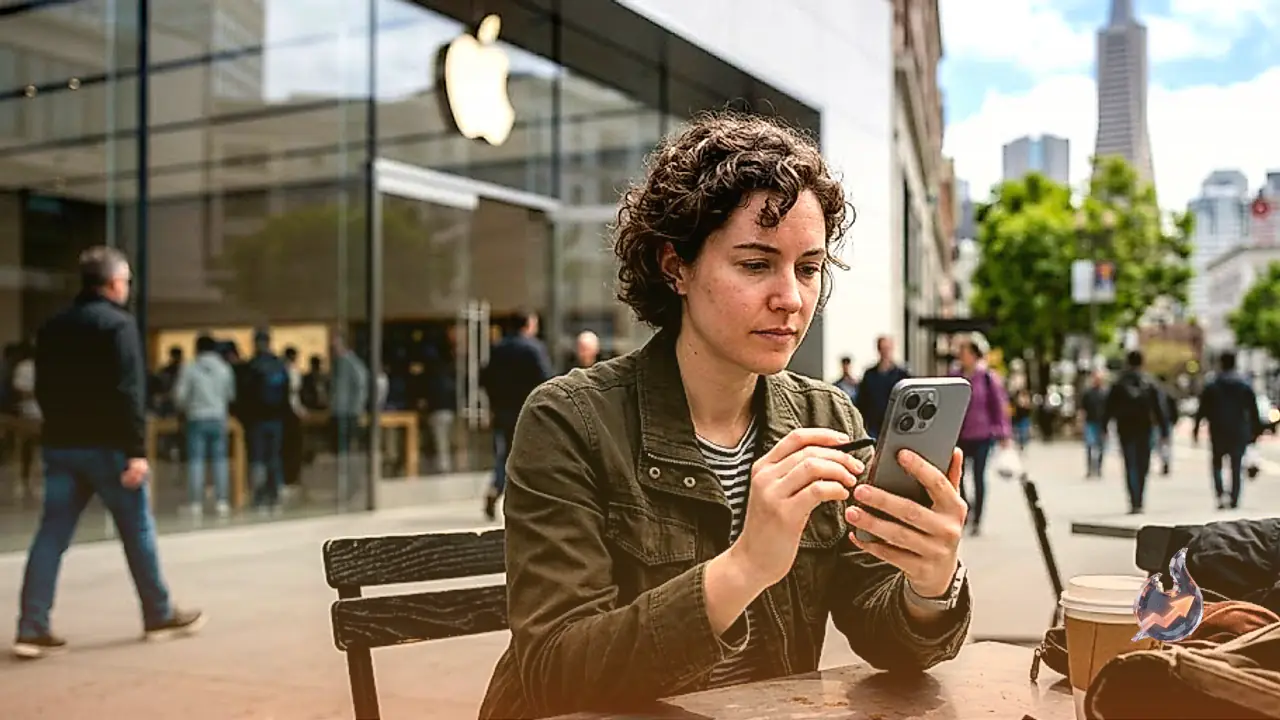

Apple recently rolled out Siri AI, marking the most significant transformation of its digital assistant to date. Users holding compatible hardware updated to modern firmware such as iOS 27 and macOS 27 Golden Gate now have full access to this upgraded assistant alongside various companion Apple Intelligence tools. While some consumers view this release as a much-needed push from a hardware giant that previously trailed rivals in artificial intelligence, others see it as the overdue fulfillment of a commitment made years ago. In fact, the prolonged delay prompted legal challenges that have now culminated in a massive $250 million settlement fund.
Years of Unfulfilled Promises and Customer Frustration
The concept of Siri AI was originally unveiled to the public in 2024 rather than during recent software cycles. In those early demonstrations, Apple showcased an assistant capable of parsing on-screen context and extracting personal information across a user's apps to answer complex questions. Pre-recorded presentations demonstrated Siri scouring emails and text threads to pinpoint an incoming flight time when asked about a family member's itinerary. Apple explicitly stated that these capabilities would debut later that year alongside iOS 18 on compatible devices, specifically the iPhone 15 Pro family and the then-incoming iPhone 16 lineup.
Instead of delivering on that timeline, Apple gradually introduced minor Apple Intelligence components across the life of iOS 18 while leaving the upgraded Siri completely absent. This absence caused significant annoyance among early adopters who purchased premium smartphones expecting immediate access to the advertised intelligence capabilities. Given standard smartphone upgrade cycles, many buyers had moved on to newer handsets before the promised features arrived over two years later.
Legal Action by Clarkson Law Firm and Settlement Terms
The consumer discontent soon advanced beyond online discussions into formal legal proceedings. The Clarkson law firm brought a class action against Apple, contending that marketing materials highlighting the unreleased Siri functionality misled consumers into purchasing expensive hardware. Without conceding liability or admitting fault, Apple agreed to pay $250 million to resolve the litigation and provide financial relief to qualifying purchasers.
The settlement outlines specific criteria governing who can participate. Eligibility is restricted to individuals who purchased an iPhone 15, iPhone 15 Pro Max, or any variant of the iPhone 16 family, which encompasses the iPhone 16, iPhone 16 Plus, iPhone 16 Pro, iPhone 16 Pro Max, and iPhone 16e. Furthermore, the transaction must have taken place within an exact qualifying window spanning from June 10, 2024, through March 29, 2025.
How Eligible Buyers Can Submit a Claim and Payout Expectations
Owners who bought qualifying models during the designated period can begin the claims process by visiting the official settlement portal and selecting the option to file a claim. Claimants who received a direct notice can enter their provided Claim ID and PIN. Those without prior notification credentials can still complete the paperwork online by supplying their handset serial number. Alternatively, applicants can verify their purchase using their Apple Account email address alongside the telephone number tied to the smartphone. The filing window is open starting September 21 and will close on December 21.
Although the headline fund total sits at $250 million, individual distributions will be scaled according to participation rates. Projected payouts are estimated at $25 per valid claim. However, if overall claim volume falls below anticipated thresholds, individual disbursements could rise up to $95. Claimants should not expect immediate deposits, as the court must first conduct a final approval hearing scheduled for February 24 of next year before any distribution can proceed.