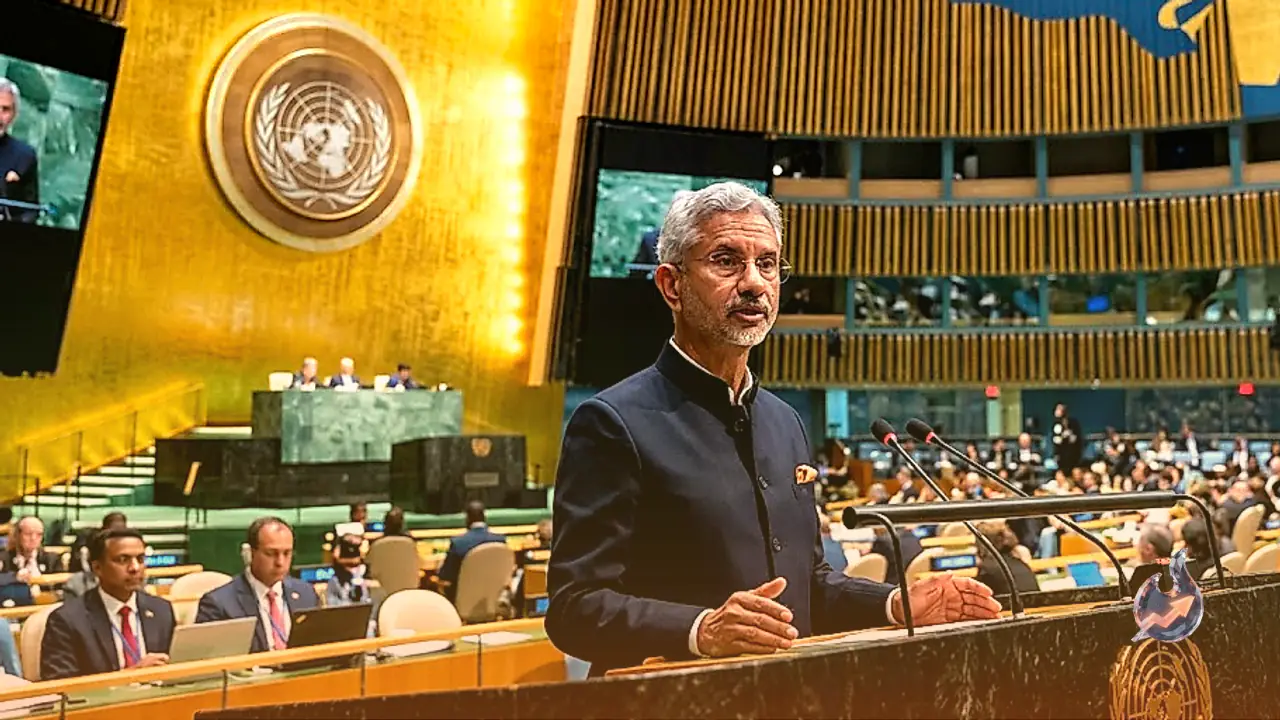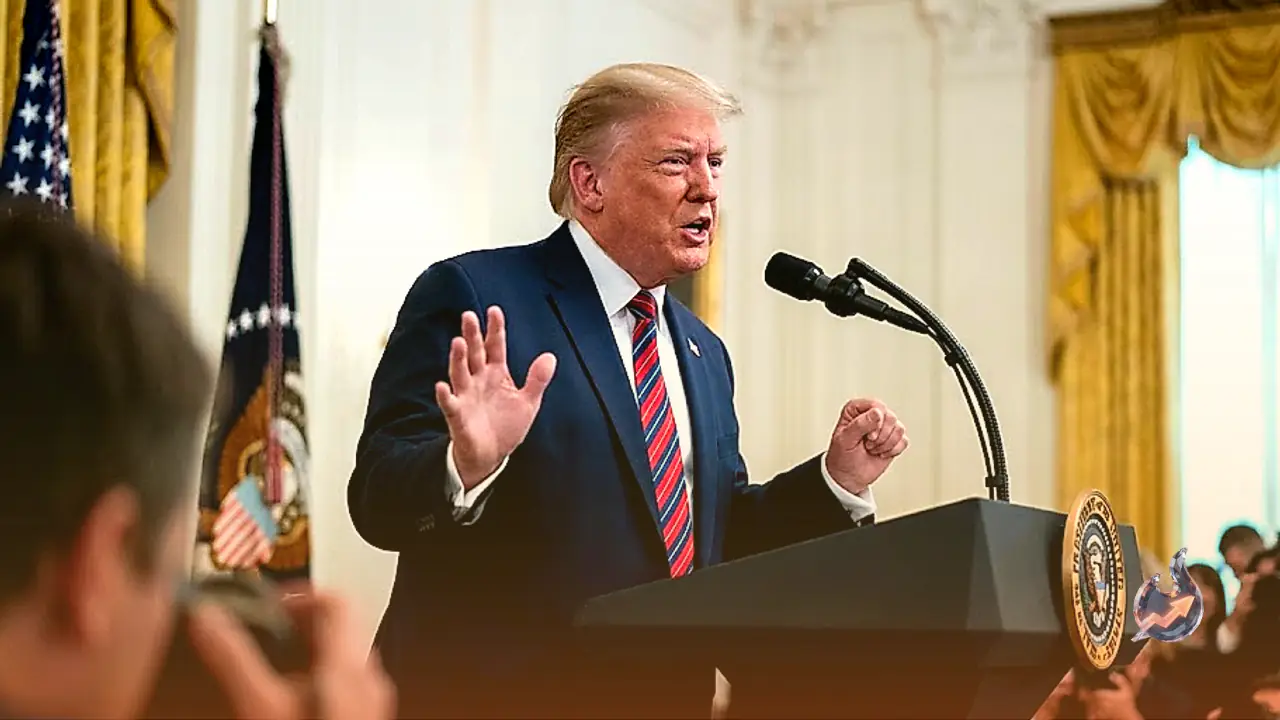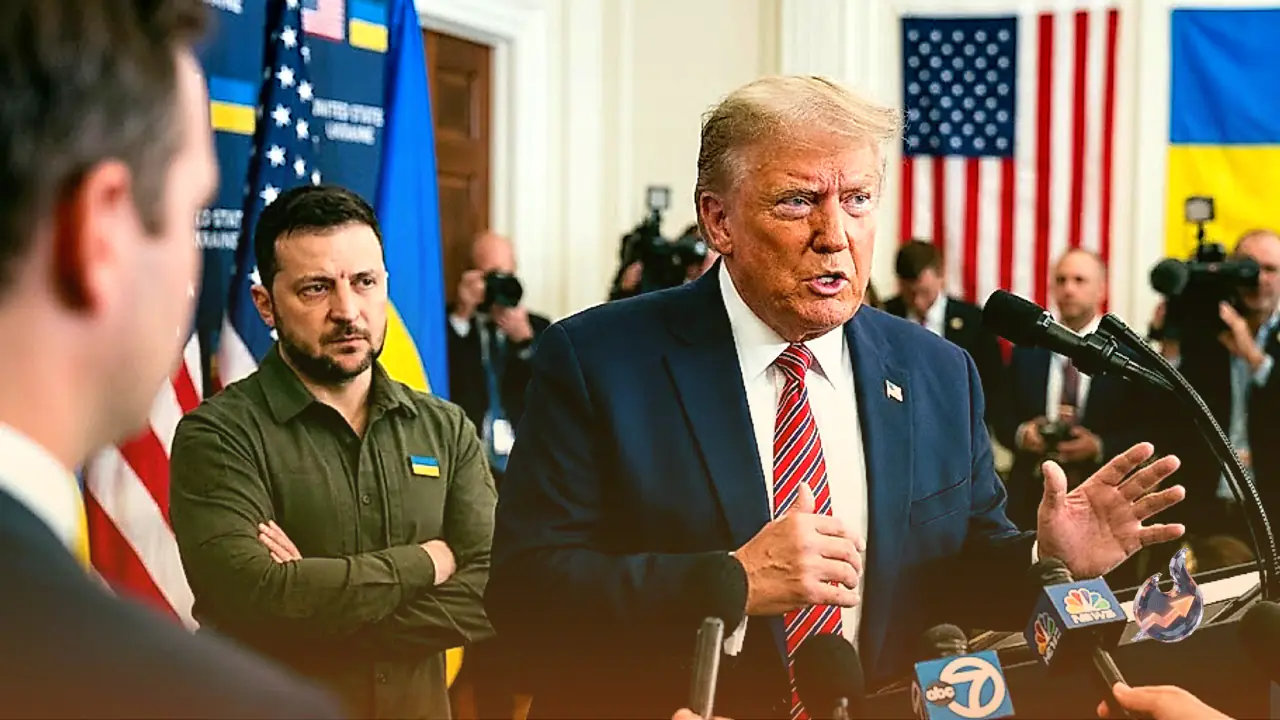





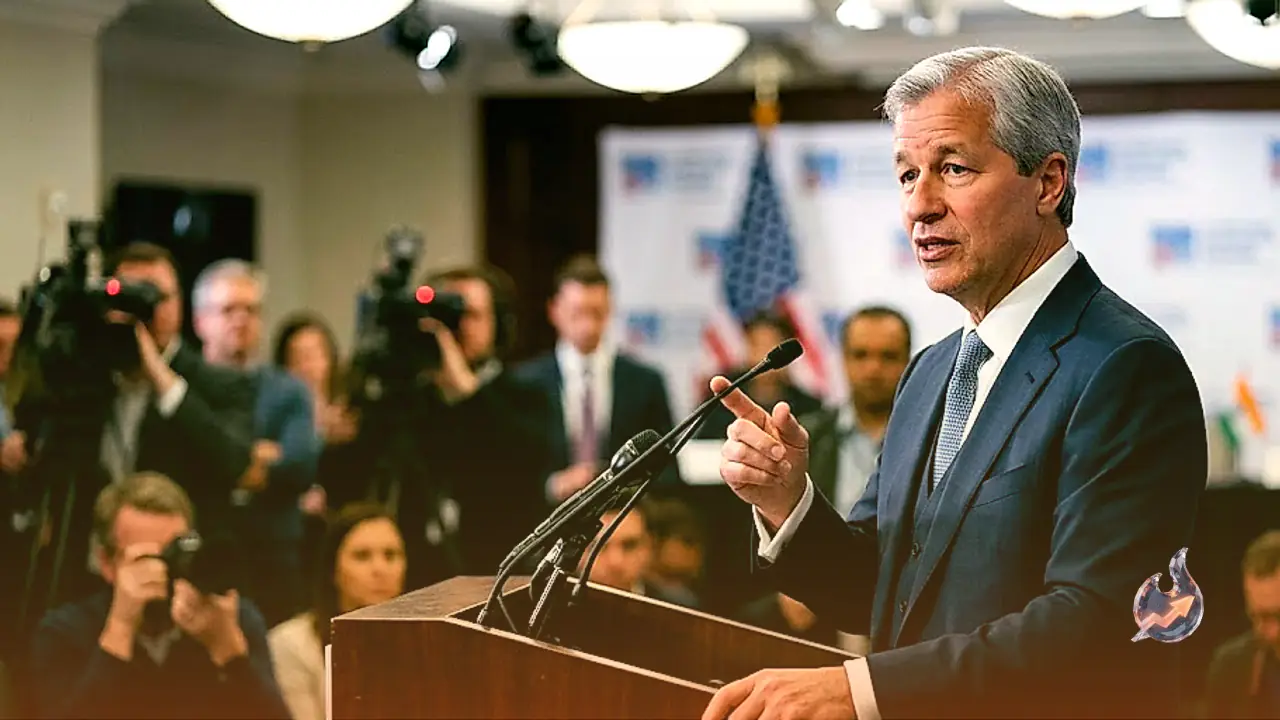
















A sharp reality check from the pinnacle of Wall Street has shaken policymakers in Washington amid escalating geopolitical friction between the United States and India over New Delhi purchasing crude oil from Russia. Following congressional legislation granting Donald Trump the authority to levy tariffs of up to 100 percent on nations importing Russian petroleum, JPMorgan Chase chief executive officer Jamie Dimon warned that the American government cannot realistically follow through with such punitive measures. Dimon indicated that attempting to penalize India would inflict minimal damage on Moscow while triggering catastrophic price shocks across the international energy market and devastating the American economy itself.
Speaking during the JPMorgan India Investor Conference in Mumbai during an interview with CNBC-TV18, Dimon offered candid advice directly to policymakers in Washington. The banking executive emphasized that American lawmakers must refrain from making hasty, ill-considered moves regarding India's essential energy security requirements. He expressed hope that Washington would demonstrate practical judgment by recognizing ground realities before enacting punitive trade penalties. While acknowledging that the United States possesses the right to exert geopolitical pressure on Russia, Dimon stressed that this objective should never cross into targeting India, one of its foremost strategic allies.
Global Supply Disruption and American Inflation Risks
The primary hazard Dimon outlined to the Trump administration revolves around the mechanics of worldwide oil logistics and retail price stability. He cautioned that if American economic intimidation coerced India into halting crude imports from Russia, the collateral fallout would cripple international markets far more than it would weaken Russian coffers. A nation with massive consumer demand cannot simply terminate petroleum procurement overnight without finding alternative barrels elsewhere.
According to Dimon, if Indian refineries walk away from Russian crude, they would be forced to aggressively source supply from other petroleum-producing hubs. That immediate displacement would siphon barrels from non-Russian global reserves, creating a sudden deficit against soaring demand. International crude prices would rapidly spiral upward, igniting a punishing inflationary surge across the globe, including inside the United States. This severe blowback explains why the US Treasury and White House strategists are likely to hesitate before enacting the threatened trade sanctions.
Technical Compatibility of Indian Refineries and Urals Crude
Moving beyond macroeconomic theory, Dimon pointed out an essential technical reality often missed by political decision-makers. In the petroleum processing sector, crude oil is not an interchangeable commodity where any barrel can simply replace another inside specialized equipment.
- Custom Chemical Architecture: Indian refining complexes were constructed and tuned specifically to process particular hydrocarbon specifications.
- Characteristics of Russian Urals: Russian Urals crude carries a distinct sulfur content and density profile that allows Indian refinery units to process it efficiently and cost-effectively into transport fuels like petrol and diesel.
- Threat of Technical Imbalance: Forcing Indian facilities to abruptly switch to different crude grades from other exporting countries would risk severe equipment damage, operational disruptions, and an immense surge in refining expenses. Dimon argued that Washington must respect these unavoidable industrial constraints faced by India.
The Graham Act Mandate and Trade Ramifications
The tariff controversy stems from legislation passed on Capitol Hill known as the Lindsey O. Graham Sanctioning Russia and Iran Act. This measure grants the American president sweeping executive powers to levy tariffs as high as 100 percent against countries that purchase crude oil from Russia, with India and China being the primary focus. Lawmakers in Washington assert that Indian oil imports funnel billions of dollars into Moscow, helping fund its ongoing military campaign.
However, trade analysts emphasize that actually applying a 100 percent tariff on Indian goods entering the US would effectively destroy bilateral trade, which currently exceeds $200 billion annually. Dismantling this commercial bridge would trigger extensive supply chain failures and inflict profound harm on American corporations, rendering the policy self-destructive for Washington's own commercial priorities.
India's 'People First' Doctrine and Energy Realities
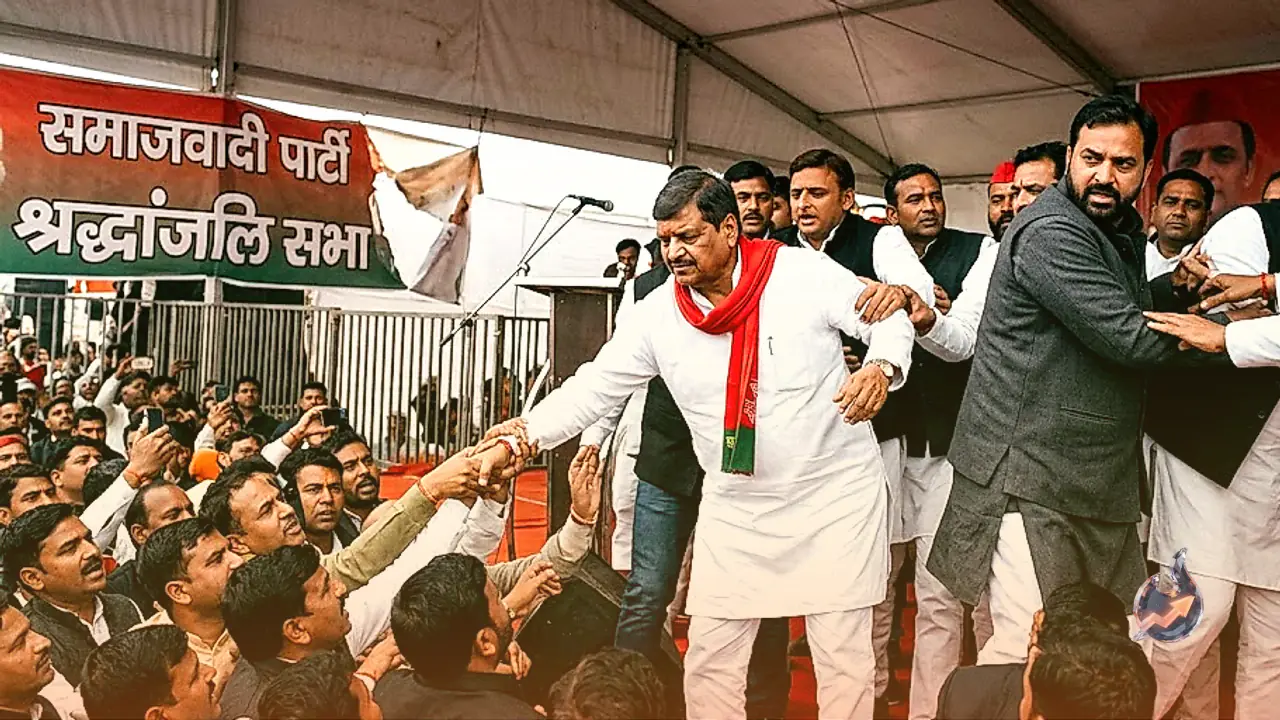
Faced with threats of economic retaliation, Indian diplomats have articulated an unyielding defense of national policy. Following the congressional passage of the bill, India's Ambassador to the United States, Vinay Mohan Kwatra, took to social media to state New Delhi's stance with absolute clarity, highlighting that the nation's energy policy operates on a singular foundation: 'People First'.
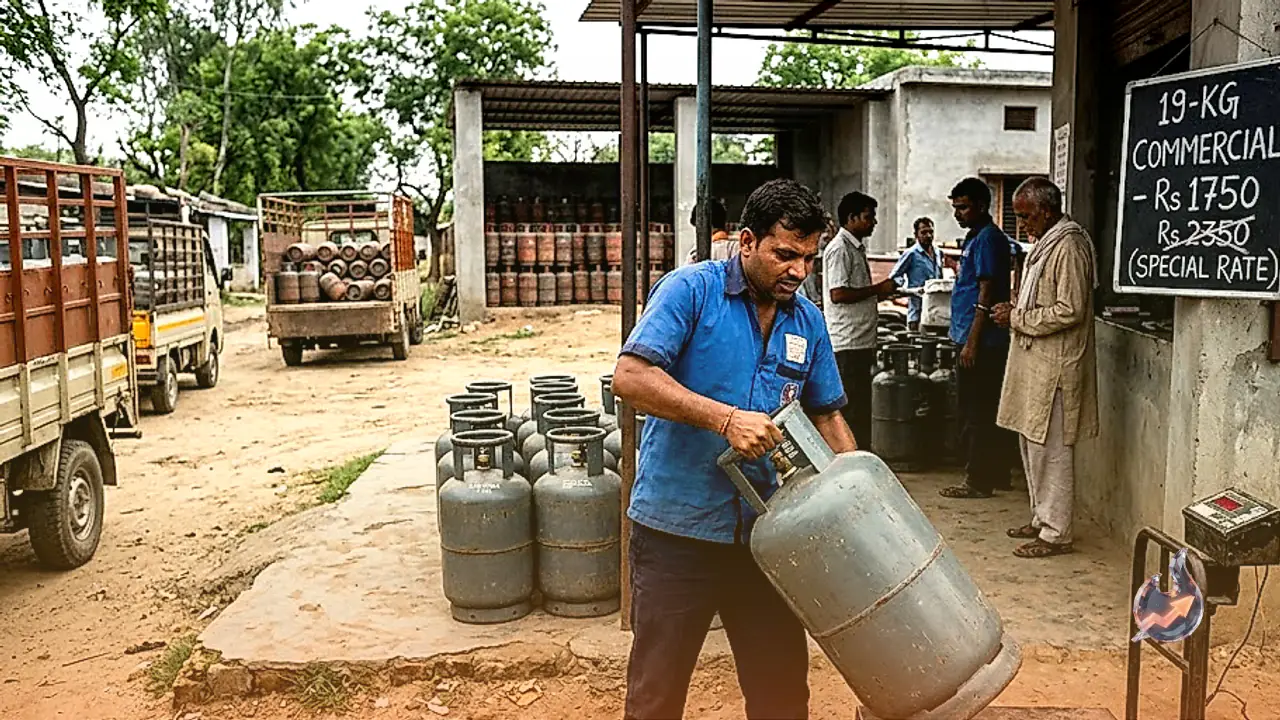
Ambassador Kwatra noted that India imports more than 85 percent of its crude oil requirements and approximately 50 percent of its natural gas supplies from abroad. In light of such massive overseas dependency, securing affordable energy is not an instrument of political maneuvering, but an indispensable imperative directly affecting the survival and livelihood of 1.4 billion citizens. Consequently, India maintains that it will continue buying crude wherever it is reasonably priced, reliably accessible, and commercially viable.
Preventing a $150 Crude Oil Calamity
The broader takeaway from both Ambassador Kwatra's remarks and Dimon's economic assessment is that Indian crude purchases have actually functioned as a stabilizing force for the global community. When the Russia-Ukraine war began, had India entered into direct bidding wars against Western economies for limited non-Russian oil supplies, global crude prices would have quickly surged between $150 and $180 per barrel.
By securing discounted Russian barrels, India kept global crude distribution balanced and prevented an outright supply collapse. This strategic approach shielded ordinary Indian households from runaway inflation while concurrently preventing fuel prices across the United States and Europe from reaching catastrophic levels. Ultimately, real-world economic dynamics demonstrate that imposing punitive 100 percent duties on India remains a diplomatic threat that cannot withstand practical execution.