

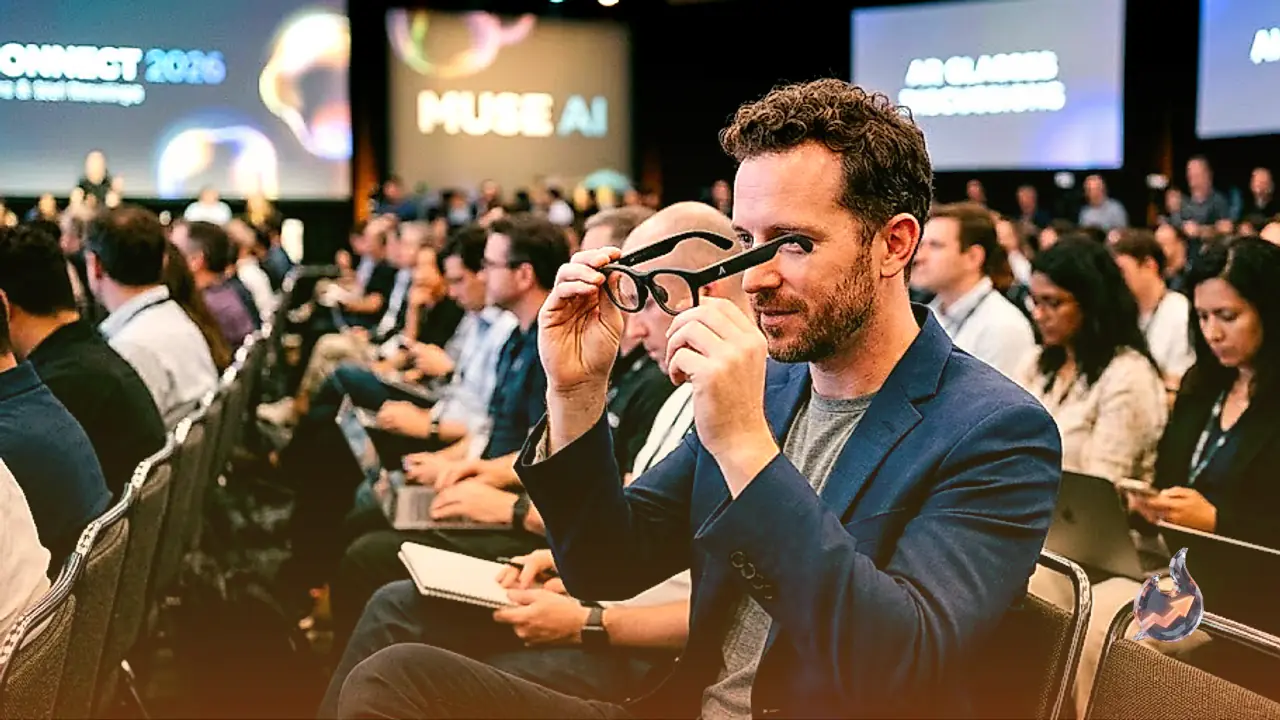





















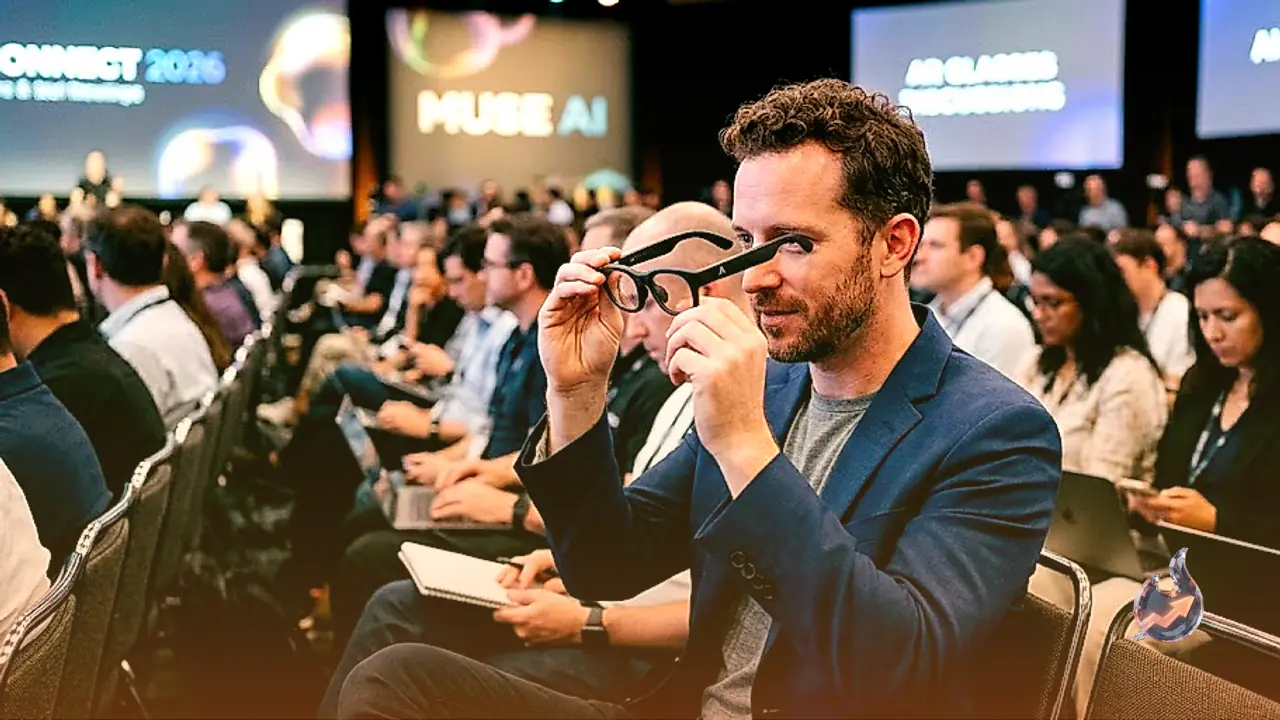

Meta held its signature Connect conference on Wednesday, setting out an ambitious blueprint for the intersection of wearable hardware and autonomous artificial intelligence. In a scheduling decision that echoed the evening rollout seen at Made by Google earlier in 2026, the company commenced its keynote at 7 p.m. ET (4 p.m. PT). Across the presentation, Chief Executive Mark Zuckerberg laid out a vision designed to redefine computing across workplace tasks, living room entertainment, and everyday interpersonal communication.
Camera-Free Ray-Ban Meta Audio Glasses Tackle Wearer Privacy Concerns
Smart eyewear has gained considerable ground in consumer technology, yet the category remains plagued by unease over hidden optics recording public life. Addressing the growing wariness of walking in front of persistent cameras, Meta introduced the Ray-Ban Meta Audio line, removing cameras entirely from the frame. The stripped-down design targets wearers who desire hands-free connectivity without running into social discomfort or accusations of covert filming.
Instead of recording lenses, these frames incorporate open-ear speakers intended for all-day comfort. On-device battery life reaches 12 hours on a single charge, with the bundled protective case delivering an additional 48 hours of mobile reserve power. The industrial design features swappable nose pads alongside adjustable temple tips to fit varying head shapes. Wearers can take phone calls, stream playlists, and converse with Meta AI in public environments without drawing scrutiny.
The company will offer the Meta Audio model in 23 distinct combinations of lenses and tint options across two traditional styles: Clubmaster and Burbank. Deliveries are scheduled to begin on Oct. 13, with pre-orders priced at $349.
Ray-Ban Meta Gen 3 Delivers Extended Battery and Spatial Microphones
Alongside its audio-centric frames, the company also unveiled the third-generation Ray-Ban Meta smart glasses. The updated camera-equipped device raises battery endurance to nine hours per cycle, outlasting the eight hours delivered by its predecessor. Ergonomics receive an upgrade through refreshed adjustable temple tips.
To capture cleaner voice input in windy or crowded spaces, the frame integrates a six-microphone array capable of cutting down ambient noise by more than 90 percent. Video is handled by an embedded 3K Ultra HD camera. To maintain bystander awareness, the hardware automatically illuminates an external LED indicator during recording sessions. Future software updates will allow the camera to record video accompanied by Dolby Atmos spatial sound. The Gen 3 lineup is available immediately in Aviator and Zena frames, carrying a starting price of $449.
Ultralight Meta VR Glasses Offload Processing to an External Puck
The centerpiece of the hardware showcase was the Meta VR Glasses, a headset that departs sharply from bulky ski-goggle enclosures such as Apple Vision Pro and the Meta Quest family. By shrinking the frame down to an oversized pair of spectacles that requires no rigid head straps, the device weighs one-fifth as much as a Meta Quest 3.
This drastic weight reduction is made possible by an external companion unit termed the puck. The clip-on accessory houses the compute board, the battery pack, and system storage, removing heat and heavy components from the user's face. Inside the puck sits Qualcomm's Snapdragon Reality Elite processor. Its internal cell provides three hours of continuous high-resolution media streaming and accepts 45W fast wired charging. Visuals are routed to dual 5K micro-OLED Infinite Displays boasting simultaneous Dolby Vision and Dolby Atmos certification.
In the home theater realm, the hardware achieves IMAX Enhanced certification, enabling home viewers to experience select cinematic titles in IMAX's tall aspect ratio. The company confirmed that dedicated VR Enhanced cuts of Avengers: Infinity War and Star Wars: A New Hope will be offered on the platform. Subscribers to Disney+ will gain access to selected stereoscopic 3D movies, while sports fans can tap 8K 180-degree immersive broadcasts via the NBA, MLB, and ESPN applications.
For professional computing, the eyewear generates floating multi-monitor workstations operated solely via hand-tracking. Users can input text against a projected virtual keyboard and manage window layouts through an air trackpad, eliminating physical mice and keyboards. Mac and PC computers can also connect directly to feed external desktop sessions into the interface. During voice calls, the headset projects full-body holograms of conversational partners directly into the room, complete with rendered lower limbs. Onboard access to Meta AI is integrated throughout the operating system. The Meta VR Glasses are slated to arrive in spring 2027 starting at $1,299.99.
Health Coaching, FDA-Cleared Hearing Aid, and Voice-Driven Commerce
Beyond new hardware bodies, the presentation outlined multiple software capabilities shipping to current and forthcoming frames. Most prominent is an onboard hearing assistance tool cleared by the FDA for adults with mild to moderate hearing impairment. Enabling the medical utility requires either an active Meta One subscription or a one-off software unlock priced at $149.99, which qualifies for HSA and FSA health account expenditures.
Fitness software now includes audio-guided interval coaching for cyclists and runners, paired with conversational meal tracking and dietary tips. A shopping assistant scans products seen through the camera, scours web stores for customer feedback and price discounts, and executes checkouts via spoken commands. Wearers can personalize input by binding their preferred app to a long-press shortcut on the temple touchpad.
Pedestrian navigation algorithms have also been rewritten to surface physical landmarks rather than abstract road designations, telling users to make turns at noticeable venues like supermarkets rather than reading out street signs. Later this month, voice-requested route navigation for public transit and cycling will arrive on the Meta Ray-Ban Display model.
Controller-Free Gaming Library Brings 75 Titles to Mixed Reality
Virtual entertainment forms another core pillar of the new compact glasses. The flagship rhythm title Beat Saber is receiving a major update spanning both the Meta VR Glasses and standard Meta Quest hardware. The expansion introduces a dedicated single-player campaign known as Flux, in which players punch and slice musical markers barehanded, alongside a overhauled reward progression structure.
Meta announced that 75 standalone games are being prepped for the glasses, all optimized to run entirely on bare-hand tracking without plastic controllers. Featured releases in the lineup include Cardmada, Dice Throne Digital, Dragon Grove, Phoenix Wright: Ace Attorney – Dual Destinies, Supernatural, Tetris Effect: Mixed Realities, and Two Point Hospital.
Muse AI Gains Mac System Automation, Mail Accounts, and a Dedicated Charm
The company also detailed the roadmap for Muse, its autonomous agentic AI unveiled several weeks prior. To make vocal exchanges more approachable, Muse will receive an animated visual avatar. The assistant is scheduled to land natively on Meta AI eyewear in the coming months, accompanied by its own independent email identity so it can schedule bookings, manage itineraries, and contact outside parties without accessing the user's private email accounts.
For desktop users, Muse for Mac now includes complete computer-use privileges, allowing the agent to navigate user interfaces, manipulate windows, and complete multi-step software tasks autonomously while the owner is away from the desk. E-commerce automations are expanding through native integration hooks with major merchants and payment rails, including Walmart, Best Buy, American Eagle Outfitters, DICK'S Sporting Goods, Fanatics, Gap, Michael Kors, Sephora, Ulta, Wayfair, Shop Pay, and PayPal. Lastly, Meta previewed the Muse Charm, a pocket-sized hardware gadget reminiscent of a digital virtual pet designed to host the assistant on the go.